
Category: woodland&hedges-p
-
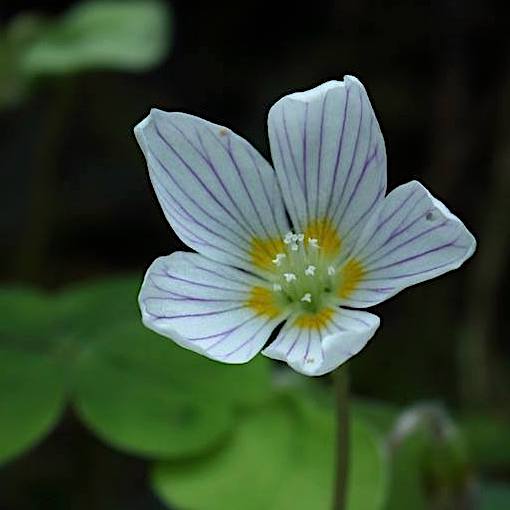
Wood-sorrel
Wood-sorrel blooms in April and May. Photo: Amanda Scott
-
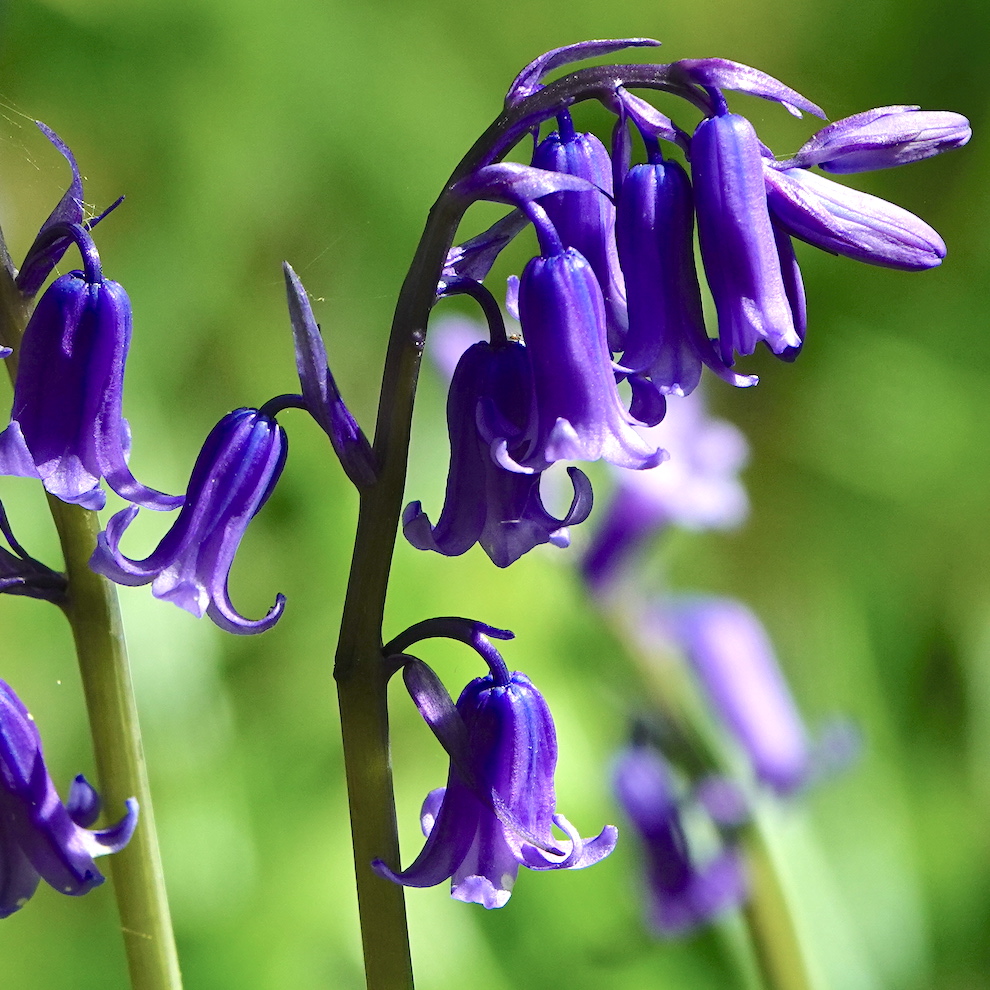
Bluebells
You know it is spring when bluebells start to bloom. Photo: Amanda Scott
-
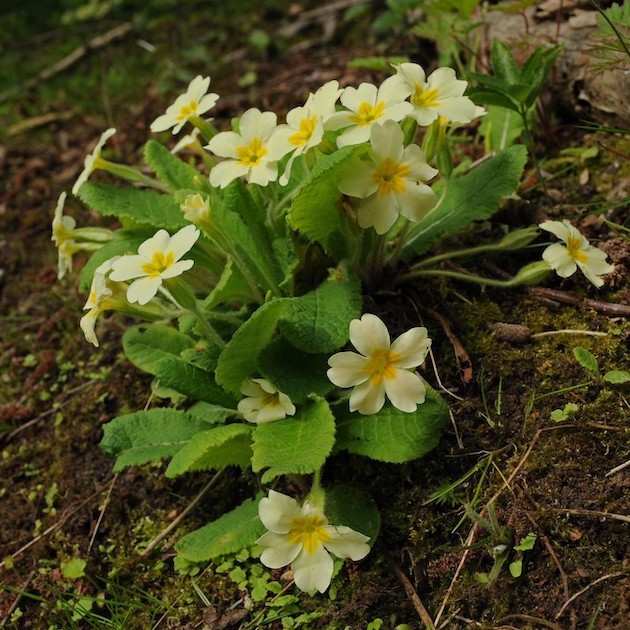
Primrose
It must be spring when there are primroses. Photo: © Natural England/Peter Roworth
-
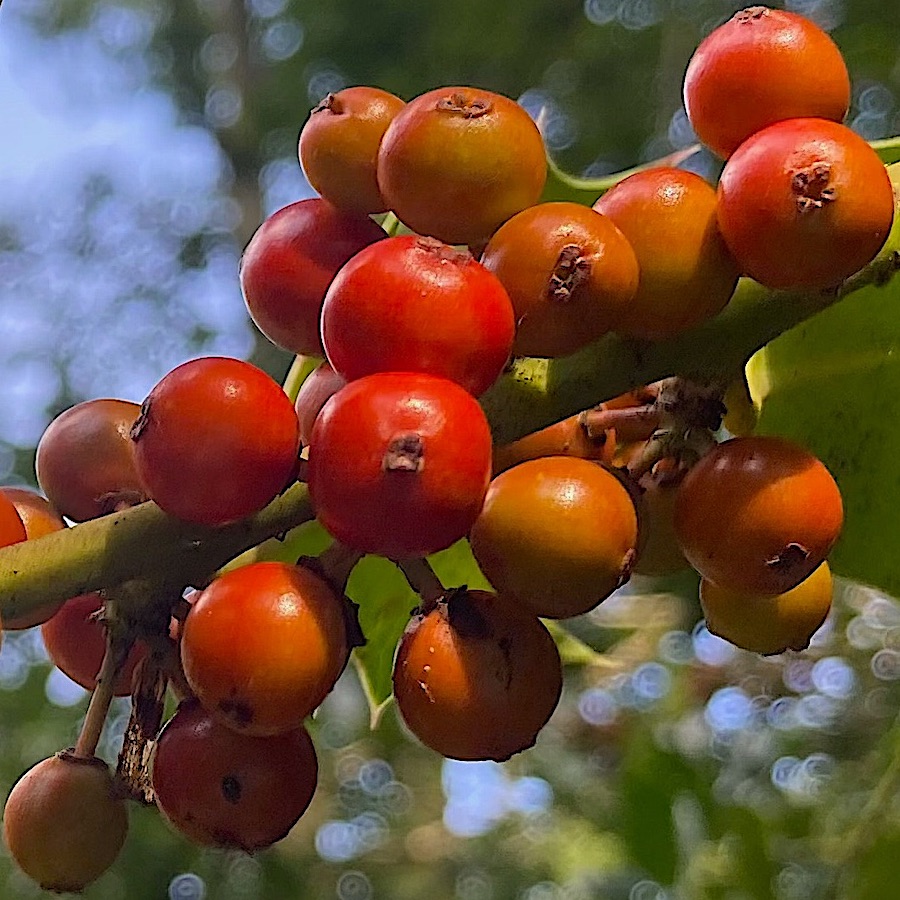
Holly
“Deck the halls with boughs of holly”…Perhaps the favourite plant for Christmas decorations, Holly is also one of our most familiar woodland shrubs. Look out for its evergreen leaves on […]
-
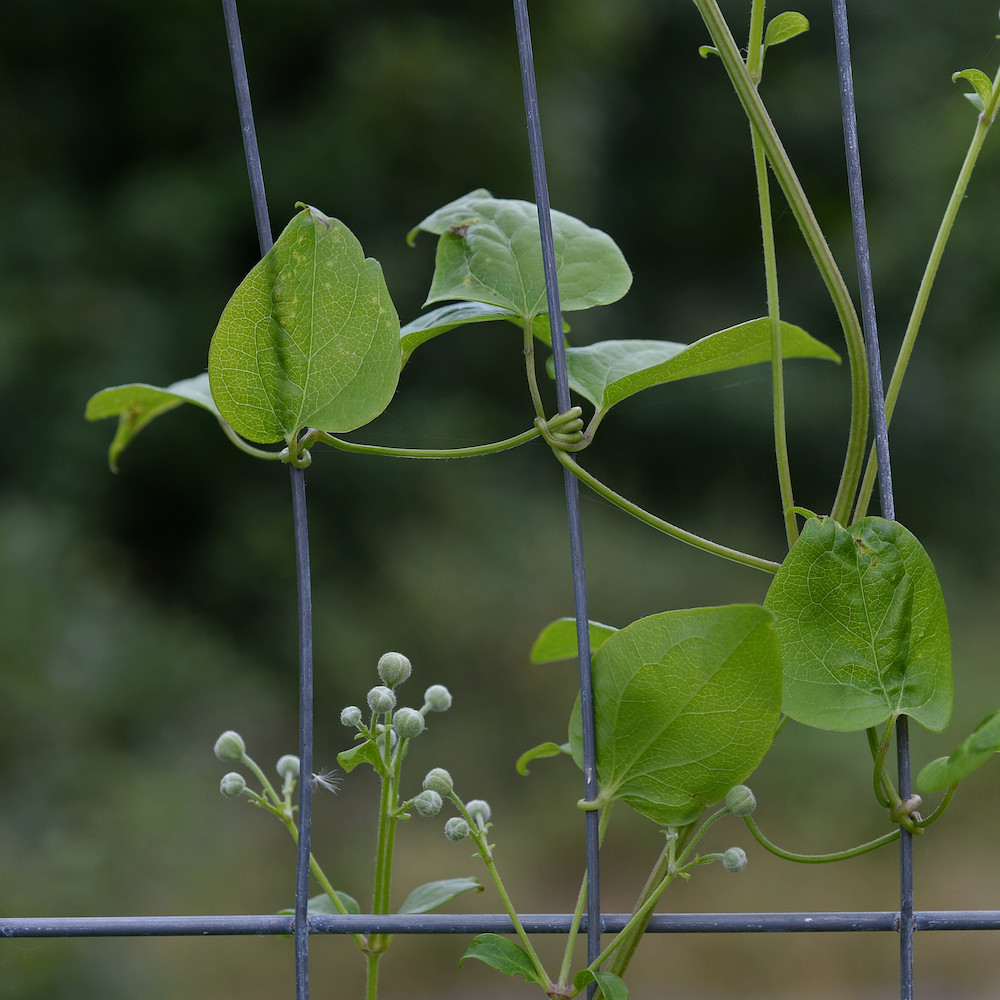
Traveller’s-joy
It is a joy to find our only native clematis scrambling through a hedge or fence. Photo: © Natural England/Peter Roworth
-
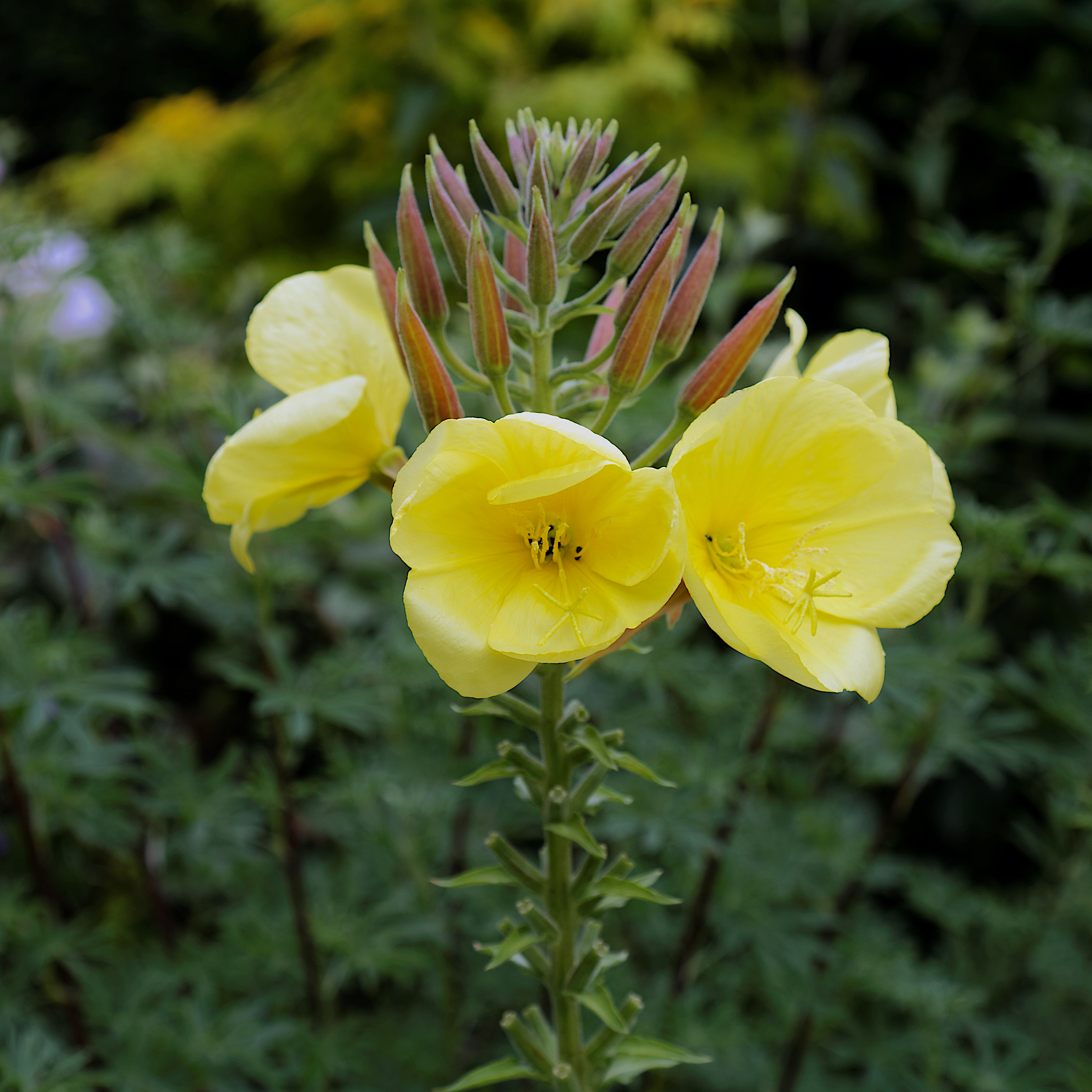
Evening-primrose
Evening-primrose can be spotted into the autumn in milder weather. Photo: Acabashi, CC BY-SA 4.0, via Wikimedia Commons
-
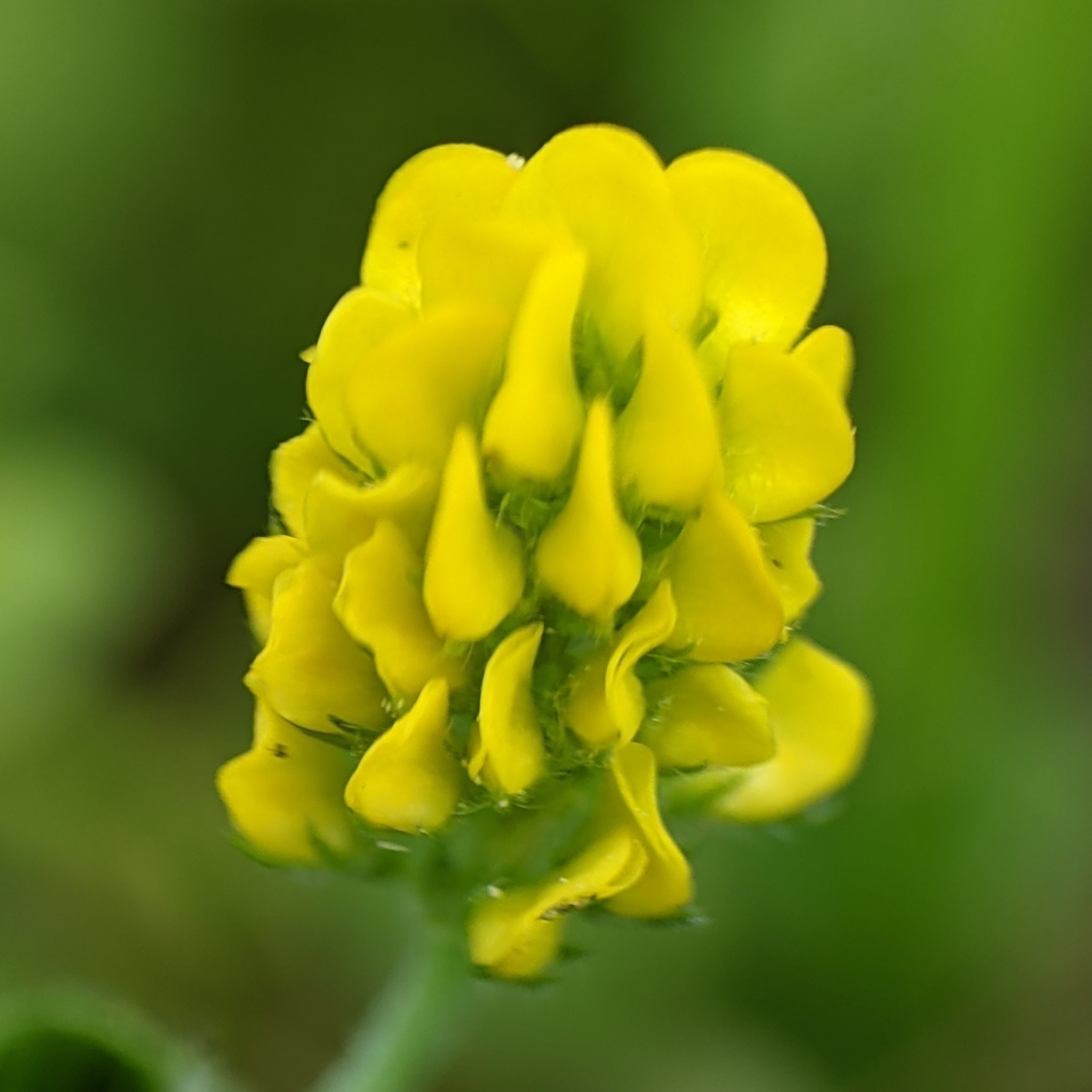
Black Medick
The small flowers of Black Medick are delicately pretty. In the autumn, look out for the distinctive black seedpods that give Black Medick, a cousin to the clovers, its name. […]
-
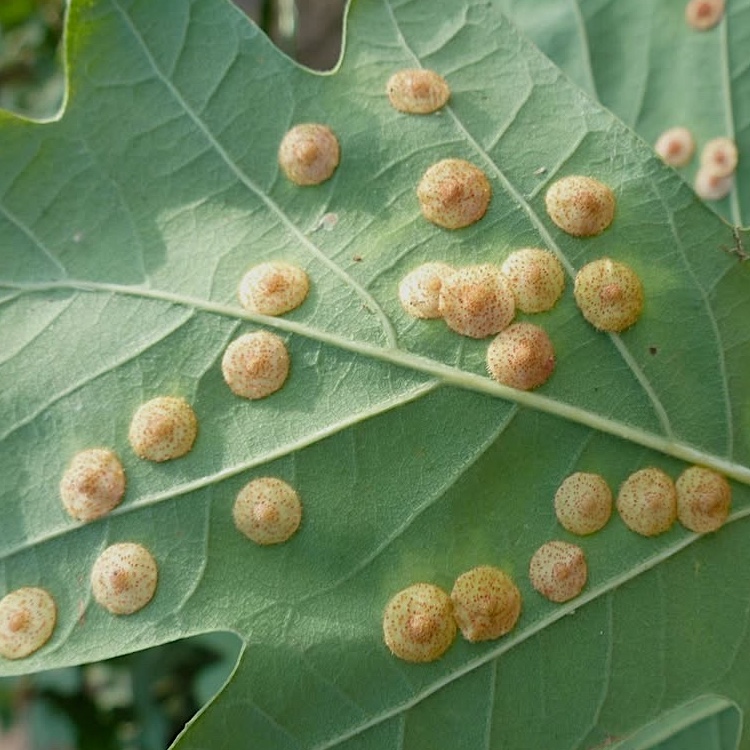
Spangle gall
Spangle Galls, which are created by a parasitic wasp, are one of the many kinds of galls found on oak trees. These were spotted at Croft Noweth on Goonhilly. Photo: […]
-

Opposite-leaved Golden-saxifrage
Opposite-leaved Golden-saxifrage is a low, spreading plant that lights up damp shady places with a golden glow in spring. Photo: Steve Townsend
-
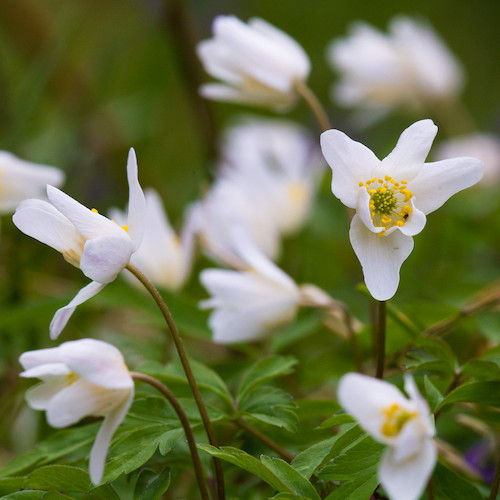
Wood Anemone
Also known as Windflower, the Wood Anemone is a flower of early spring, found in woodland glades and old hedgerows.Photo: © Natural England/Allan Drewitt
-

Lesser Celandine
The bright buttery glint of Lesser Celandine in the hedgerows and fields is a welcome early sign of spring. Photo: Amanda Scott
-

Dog’s Mercury
Found mainly in woodlands and hedgerows, Dog’s Mercury is far from showy, but is distinguished by being one of the earlier plants to flower each year. Photo: Krzysztof Ziarnek, Kenraiz, […]
-
Oak Marble Gall
Oak Marble Galls, common on oak trees, are created by a parasitic gall-wasp. Photo: AnemoneProjectors, CC BY-SA 2.0, via Wikimedia Commons
-

Winter Heliotrope
This winter-flowering, vanilla-scented plant of waste places and roadsides is not native to Britain, but is a valuable source of nectar for emerging insects in the earliest days of spring. […]
-

Butcher’s-broom
Interesting name, unusual plant – watch out for the small green flowers in late winter and the large red berry fruits between October and May. Kennack Sands is a good […]
-

Ivy
Ivy provides shelter and food for many species of invertebrates, birds and small mammals, so its autumn flowers are a welcome sight. Look out for it climbing up trees or […]