
Mindblown: a blog about philosophy.
-
Cornwall Wildlife Trust – Practical Countryside Volunteering
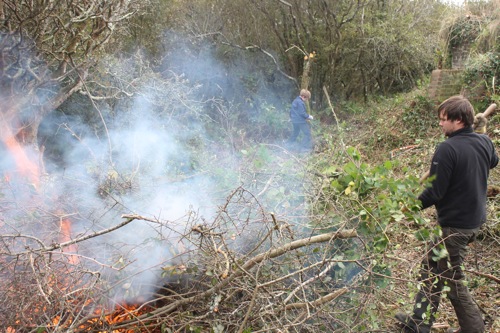
We own two nature reserves on the Lizard; North Predannack Downs Nature Reserve and Windmill Farm Nature Reserve. The management and maintenance of these reserves is undertaken by a dedicated team of staff and the occasional volunteer work party. Our conservation work party events are often organised by our Local Groups and involve things like scrub…
-
Practical Countryside Volunteering
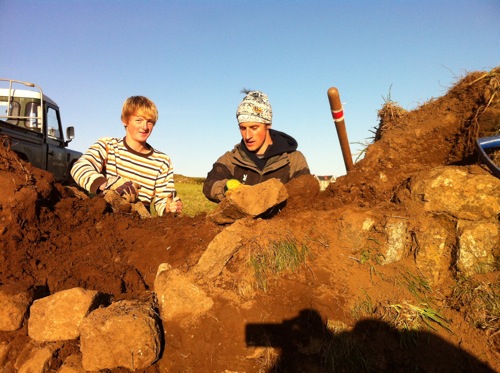
Click on the organisations name to find out more about volunteering with them… National Trust – Our conservation work covers over 1,000 hectares of diverse land, from beaches and cliffs to inland heathlands and wooded valleys. Our work aims to maintain a delicate balance between protecting important wildlife habitats and landscapes and providing good…
-
Penny Bun
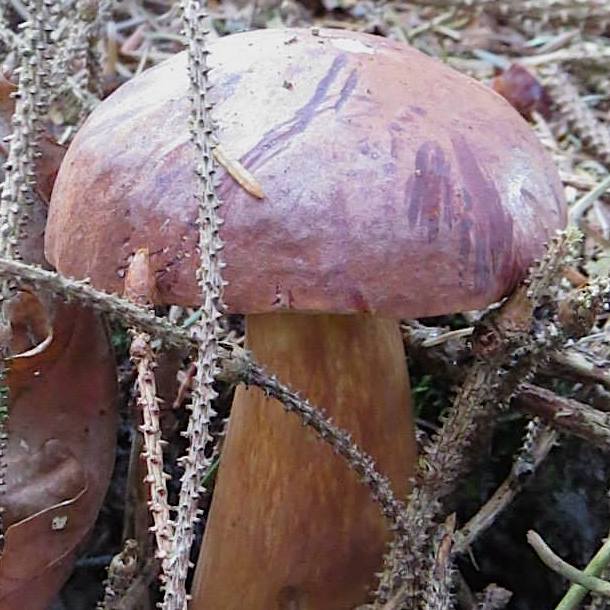
Penny Bun mushrooms are not often found on The Lizard; these were spotted in a spruce plantation. Photo: Steve Townsend
-
Introduction to volunteering on the Lizard
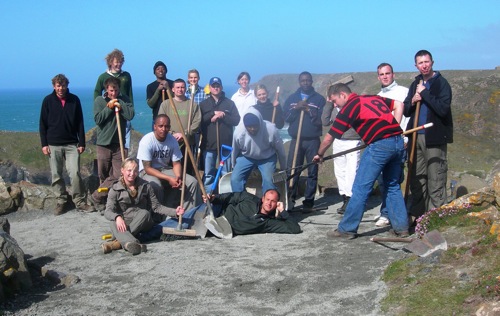
Volunteering is a great way to learn more about a place, its people and wildlife. It is the perfect opportunity to get outdoors and play a vital role in caring for the environment. Here on the Lizard there are lots of ways you can get involved in the natural environment, working with conservation organisations such…
-
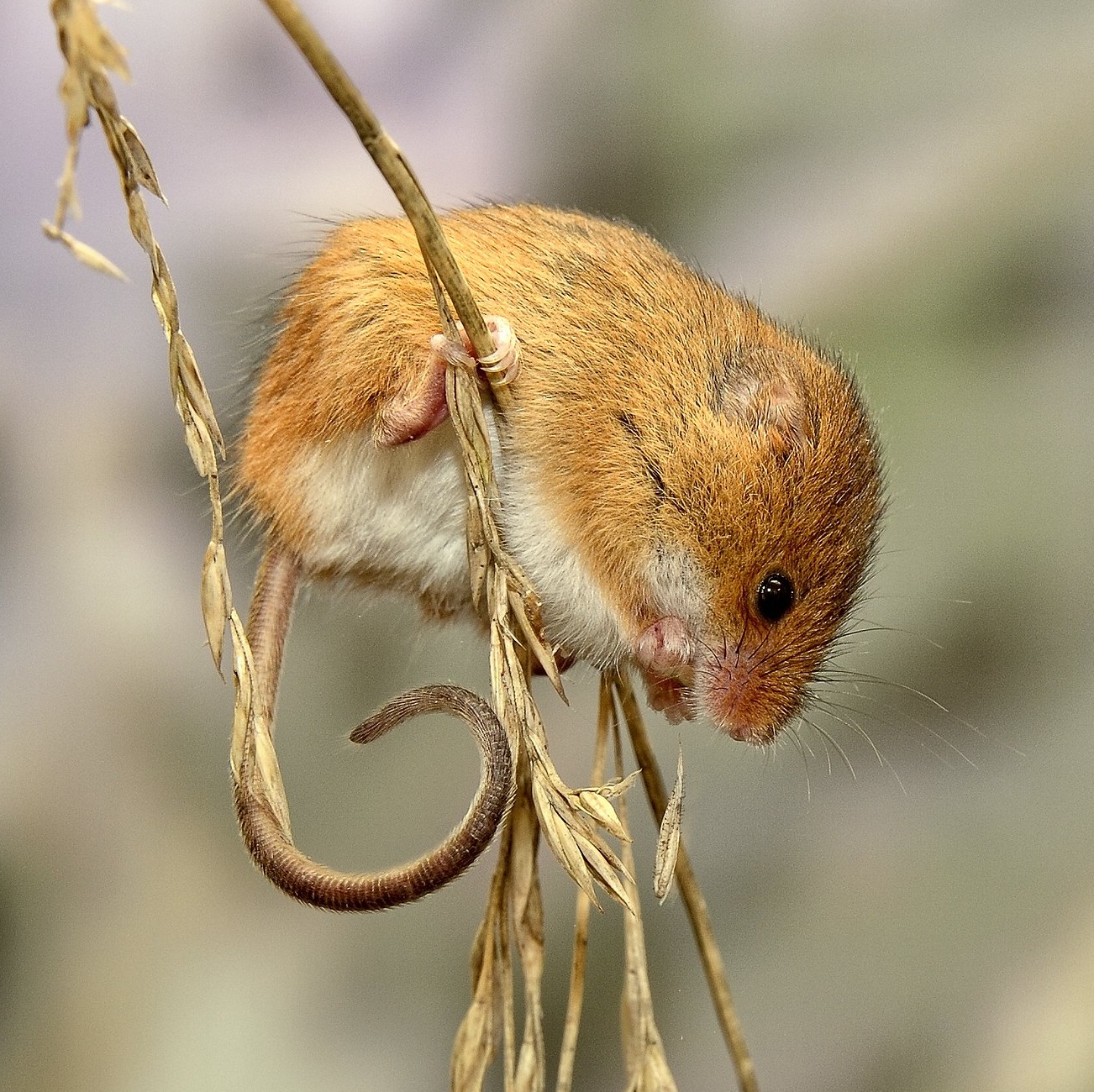
Harvest Mouse
You are more likely to spot the closely woven nest of a Harvest Mouse than the animal itself. Photo: ©Natural England/Julian Dowse
-

Otter
The shy Otter can be hard to spot, but look for its spraints along river courses and by the coast. Photo: ©Natural England/Michael Hammett
-
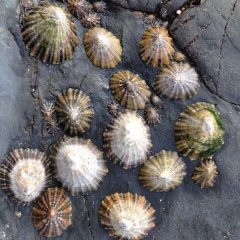
Life on the rocks at Poldhu Cove
Last weekend I headed to Poldhu Cove to enjoy some sunshine and watch the surf. Having never been there the first thing I did upon arrival was head to the rocks to see what I could find, although being heavily pregnant with a toddler in tow precluded a proper nooks and crannies search of all…
-

Hedgehog
Hedgehogs are not numerous on The Lizard, but keep an eye out on those late evening strolls from spring to autumn. Photo: © Amanda Scott
-

Chiffchaff
Mainly a summer visitor to the UK, a small but increasing number of this small warbler with its familiar song now overwinters here. Photo: © Natural England/Allan Drewitt
-

Shag
This Shag was spotted building its nest at Lizard Point. Photo: © Richard Birchett
-
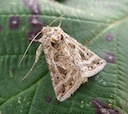
Boathouse Gem
Mark Tunmore of Atropos discovered the migrant moth Thysanoplusia daubei (the Boathouse Gem) at Church Cove on the Lizard in 2014 – the first record for Britain! Photo: Mark Tunmore
-

Raven
The highly intelligent Raven has great aerial ability given its large size. Photo: © Richard Birchett
-
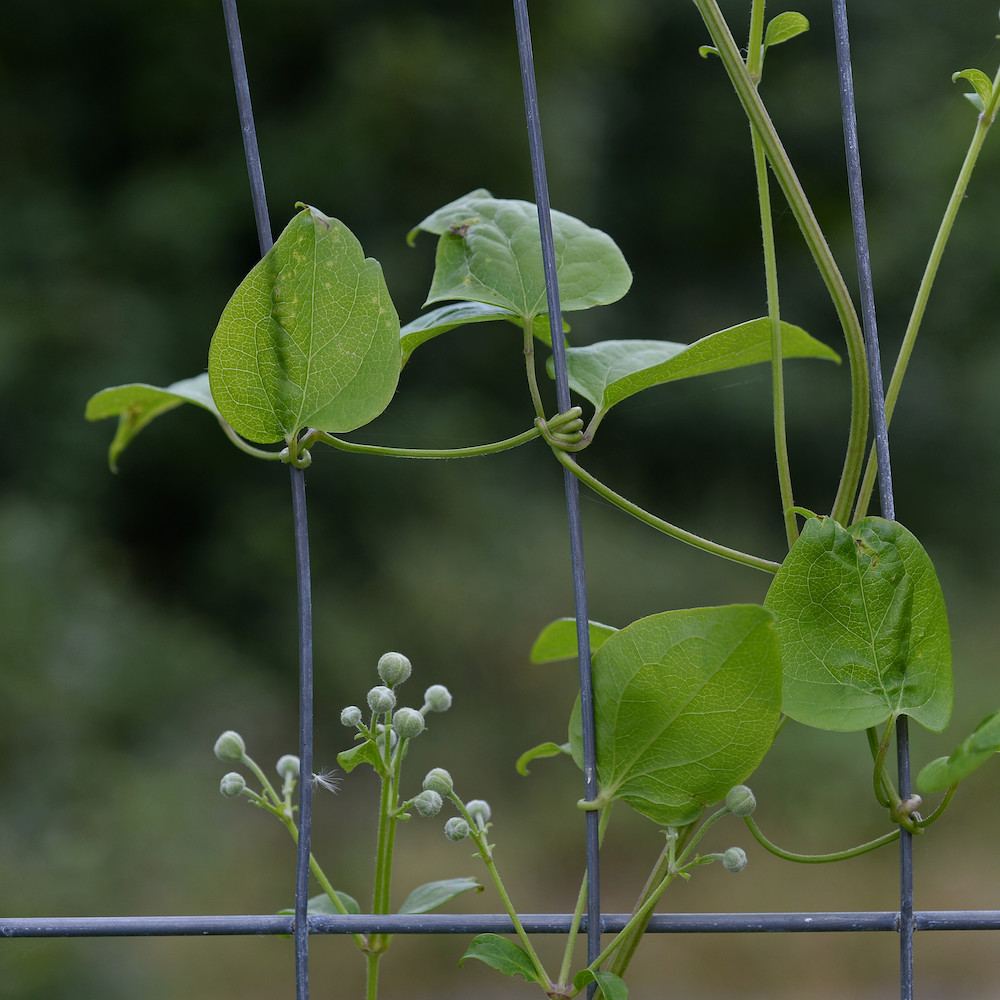
Traveller’s-joy
It is a joy to find our only native clematis scrambling through a hedge or fence. Photo: © Natural England/Peter Roworth
-
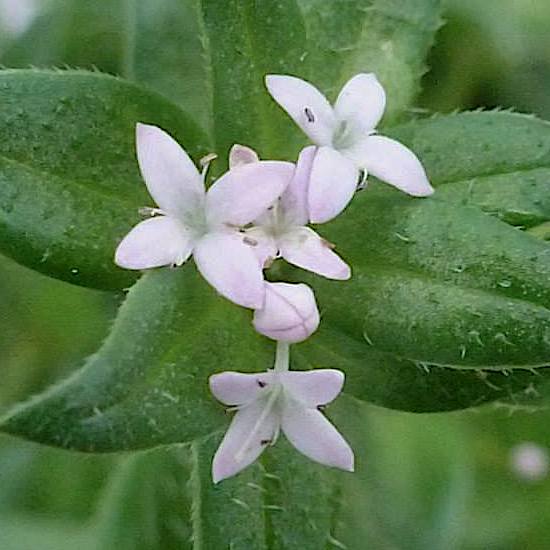
Field Madder
The books say that Field Madder flowers until October, but it is often still hanging in there into November on The Lizard. Photo: Steve Townsend
-

Whooper Swan
Overwintering and migrating Whooper Swans can be spotted on The Lizard’s inland pools in autumn and winter. Photo: Amanda Scott
-

Great Black-backed Gull
In winter, Great Black-backed Gulls will often venture inland to hunt for food: look out for them near inland pools or scavenging at disposal sites.Photo: Charles J. Sharp, CC BY-SA 4.0, via Wikimedia Commons
Got any book recommendations?