
Tag: Cornwall
-
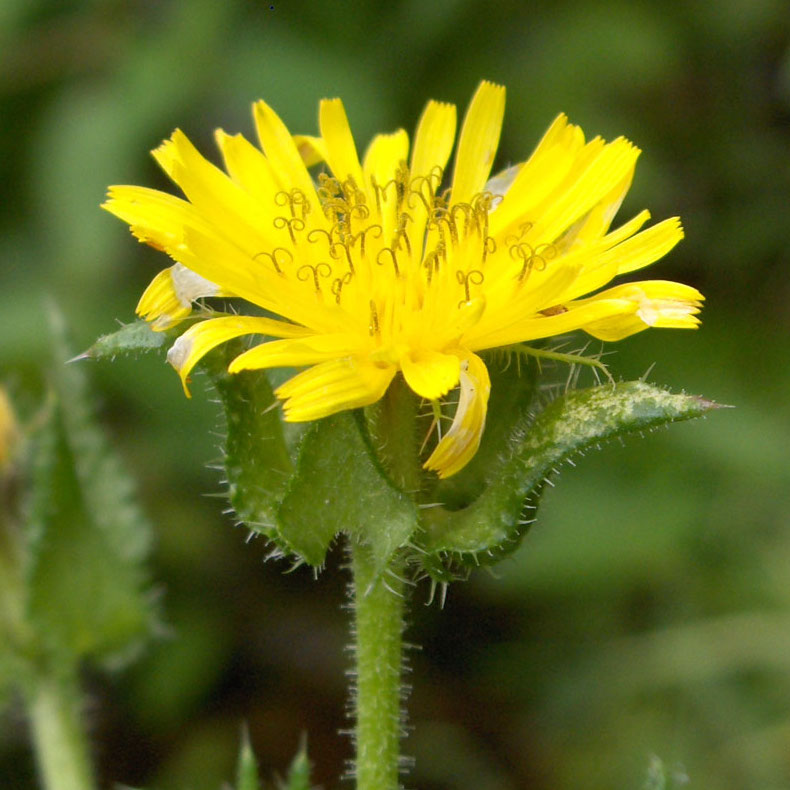
Bristly Oxtongue
It may not be the prettiest of plants, but Bristly Oxtongue, which flowers from June into the autumn, has some impressive spikes on its leaves. Photo: Stemonitis, CC BY-SA 3.0, via Wikimedia Commons
-

Robin
While some birds depart The Lizard for warmer climates in the autumn, others stay with us, including the Robin, cheering us up with its song all through the autumn and winter. Photo: Amanda Scott
-

Common Darter
The Common Darter is one of our latest-flying dragonflies: it is on the wing from June into October, and even November in warmer autumns. Photo: © Natural England/Paul Lacey
-

Grey Wagtail
Grey Wagtails are found near upland streams in the summer, but move to lowland habitats in the winter. Photo: © Natural England/Allan Drewitt
-

Skylark
In spring and summer, the skies above the heaths and fields of The Lizard are full of the beautiful song of the Skylark. Photo: © Natural England/P. N. Watts
-
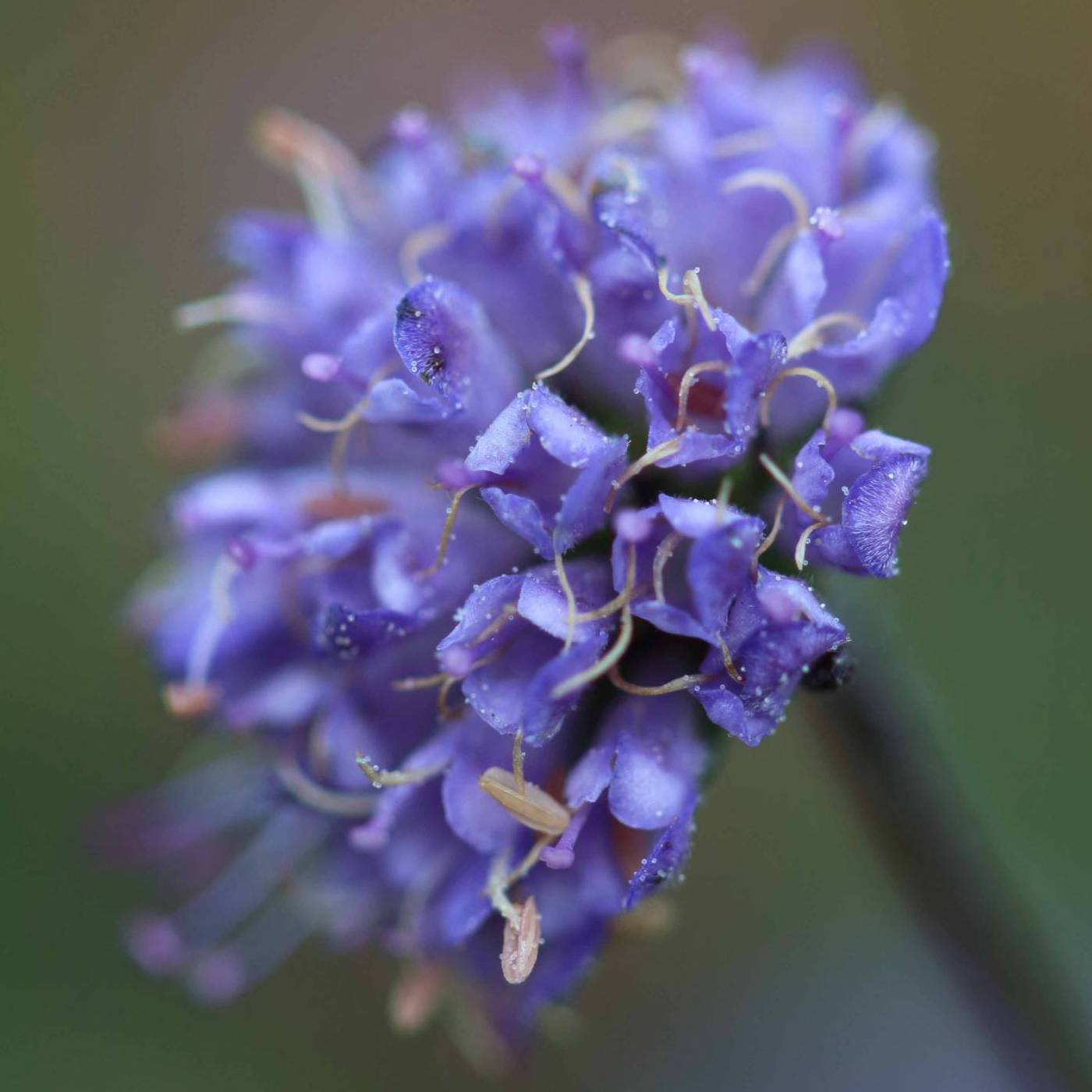
Devil’s-bit Scabious
Noted for being the larval food plant of the nationally rare Marsh Fritillary butterfly, Devil’s-bit Scabious is lovely in its own right. You can find it flowering on Mullion Cliffs in late summer into autumn. Photo: Amanda Scott
-

Yellow Wagtail
Yellow Wagtails are summer visitors to eastern and northern parts of Britain. They can be spotted in the southwest on migration as they return to their winter home in Africa. Photo: © Natural England/Allan Drewitt
-

Wryneck
The Wryneck, a relative of the woodpeckers, is one of the rarer visitors to the Lizard in the autumn migrant season. Photo: © Natural England/Dave Cornwell
-

Starling
The glossy plumage of a starling is beautiful to see on a crisp autumn day on the Lizard. In the autumn, you can see the amazing spectacle of a starling murumuration – Poldhu is a good spot. Photo: © Natural England/Allan Drewitt
-

Grayling
Grayling butterflies require plenty of bare earth for basking, so watch out for them in later summer along the trackways of the Lizard Downs. They are on the wing into September. Photo: Amanda Scott
-
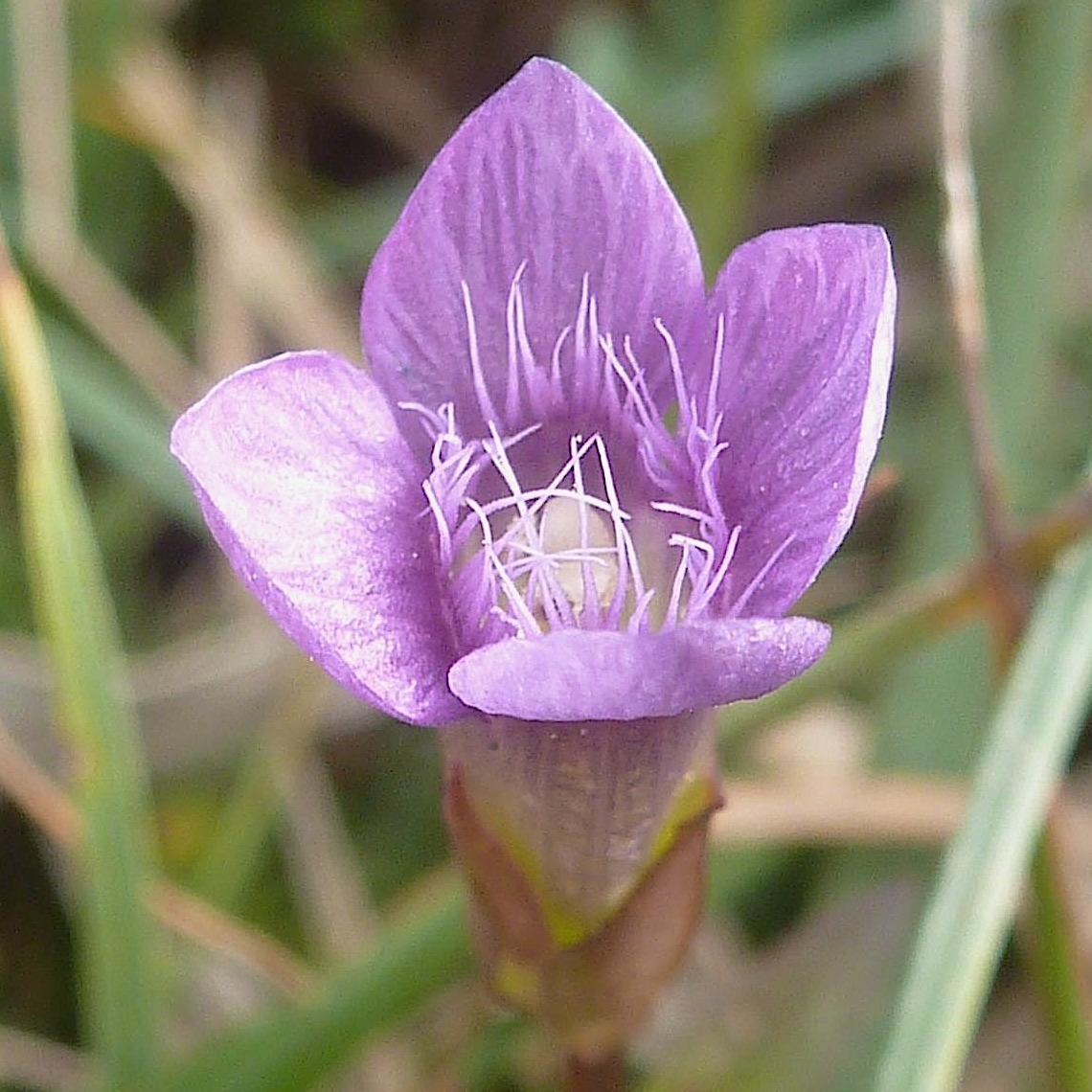
Field Gentian
The lovely violet flowers of Field Gentian are a rarity. More common in the north of the UK, they are found in a small handful of places on The Lizard in late summer, including old trackways across the serpentine heaths. Photo: Steve Townsend
-

Wren
The Wren is the most common breeding bird in Britain. Photo: © Natural England/Allan Drewitt
-

Small Tortoiseshell
Small Tortoiseshells usually produce two broods in a year, and so a second-generation of adults emerges in August. Photo: © Natural England/Allan Drewitt
-
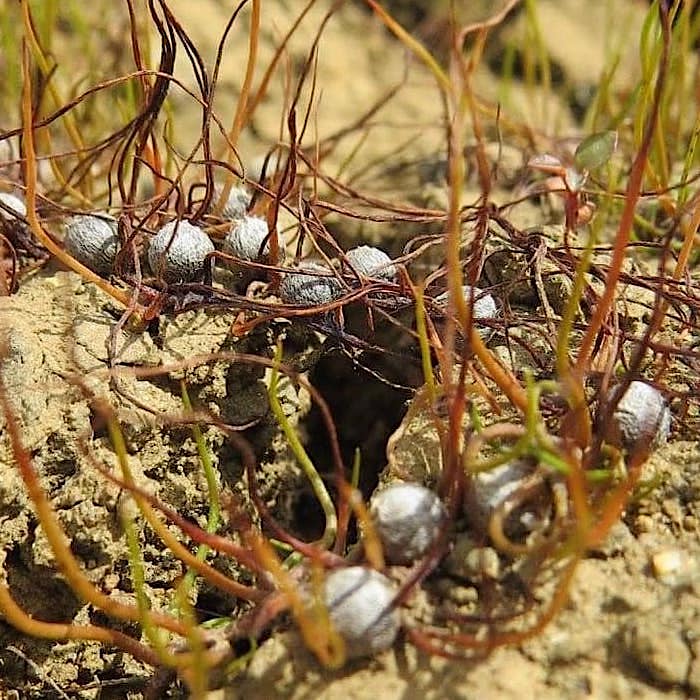
Pillwort
Look out for the rare, small fern Pillwort, which has benefited from conservation work on The Lizard. Ruan Pool on Windmill Farm is a good place to search. Photo: Steve Townsend
-

Curlew
Watch out for Curlews in July and August as they start to move to the coast. Photo: Amanda Scott
-

Sea-holly
Insect pollinators love the spiky blue flowers of Sea-holly. Loe Bar is a wonderful place to spot this lovely plant. Photo: Amanda Scott