
Tag: Cornwall
-
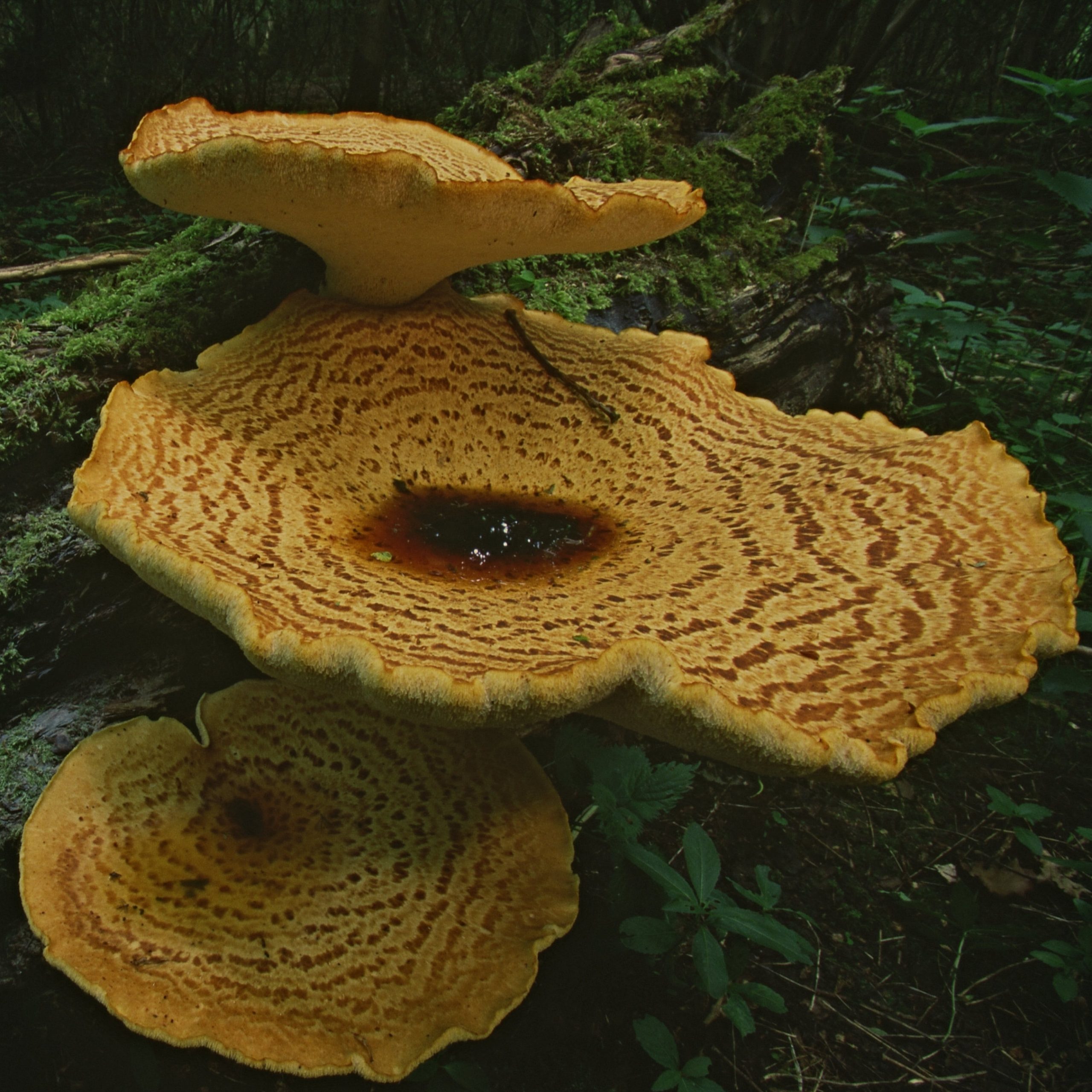
Dryad’s Saddle
Damp weather is annoying for humans, but good for fungi, like this Dryad’s Saddle, a common bracket fungus on dead and decaying wood. Photos: © Natural England/Paul Glendell
-
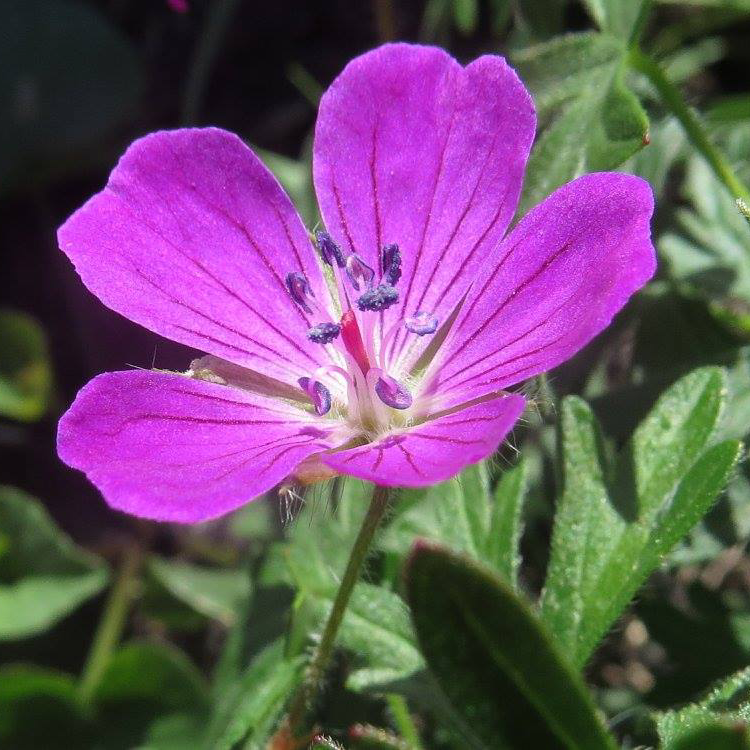
Bloody Crane’s-bill
The meadows above Kynance Cove are a good place to see Bloody Crane’s-bill in the summer, following recent habitat restoration and scrub clearance. Photo: Steve Townsend
-
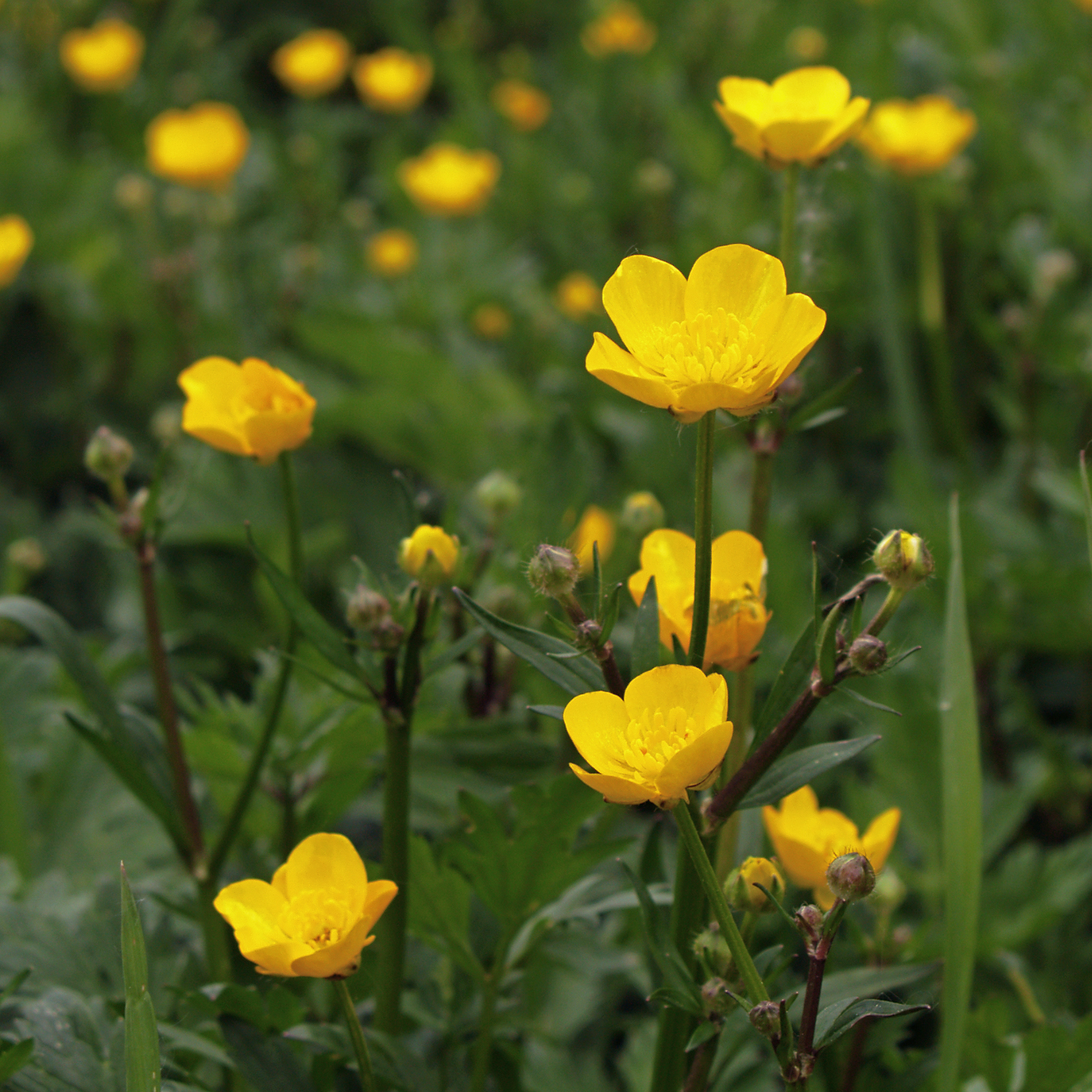
Creeping Buttercup
Not much beats a meadow full of golden buttercups. Photo: Jörg Hempel, CC BY-SA 2.0 DE, via Wikimedia Commons
-
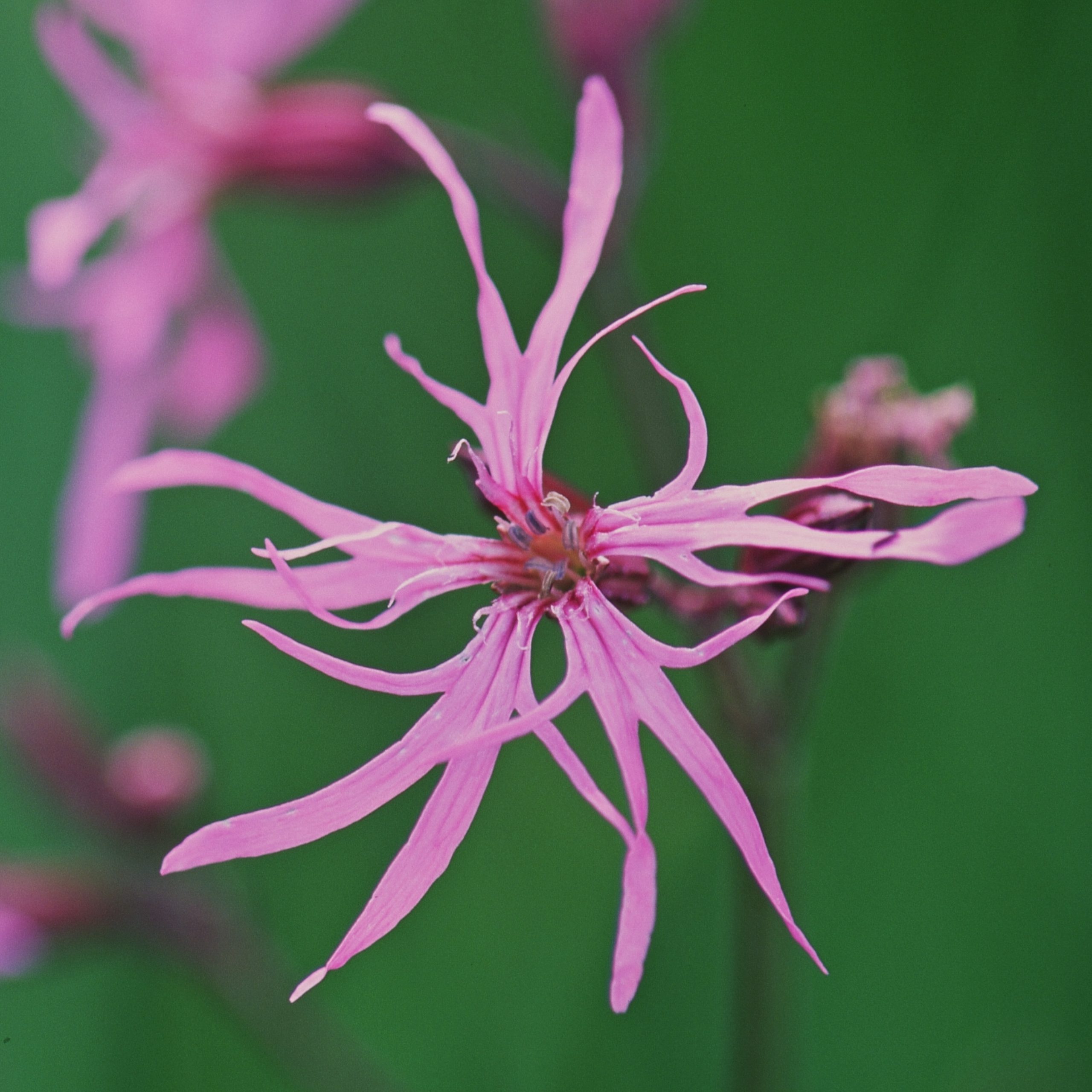
Ragged-robin
Tousled pink flowers of Ragged-robin sway on their tall stems from late spring through to summer’s end. Photo: © Natural England/Chris Gomersall
-
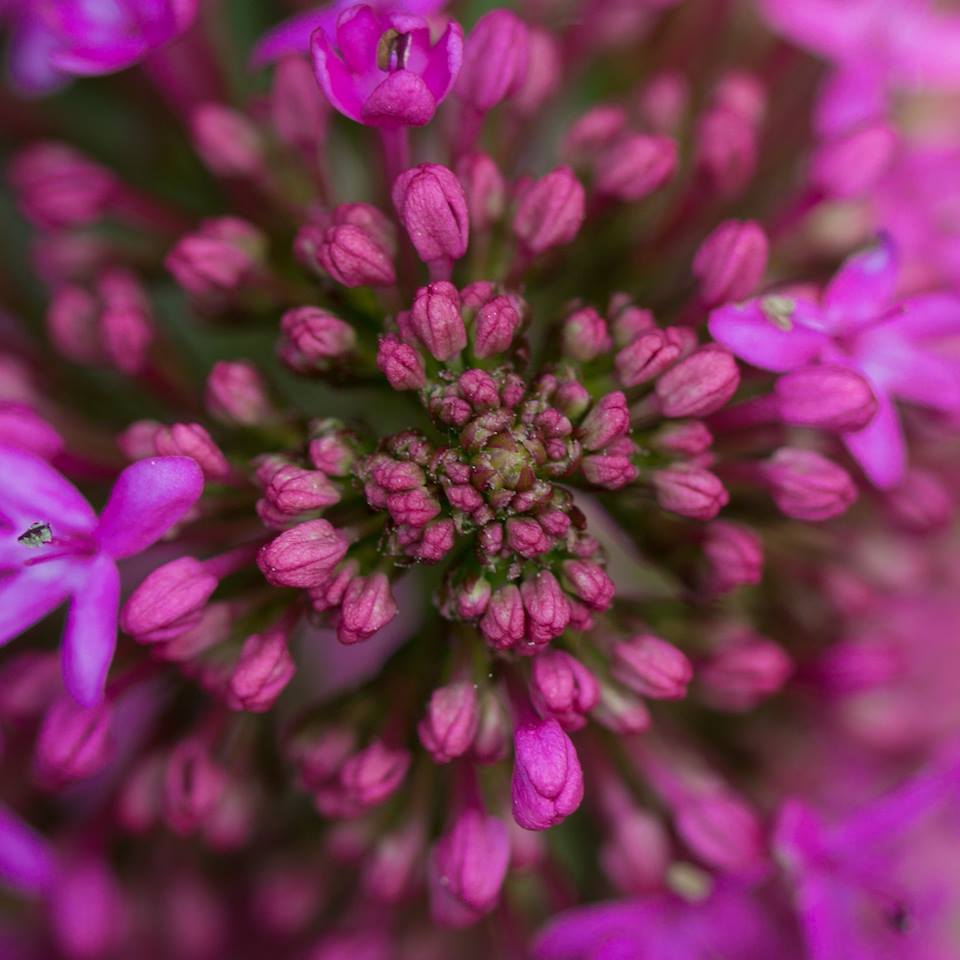
Red Valerian
The rich magenta and ruby hues of Red Valerian are a lovely sight in the summer, whispering of the Mediterranean. Photo: Amanda Scott
-
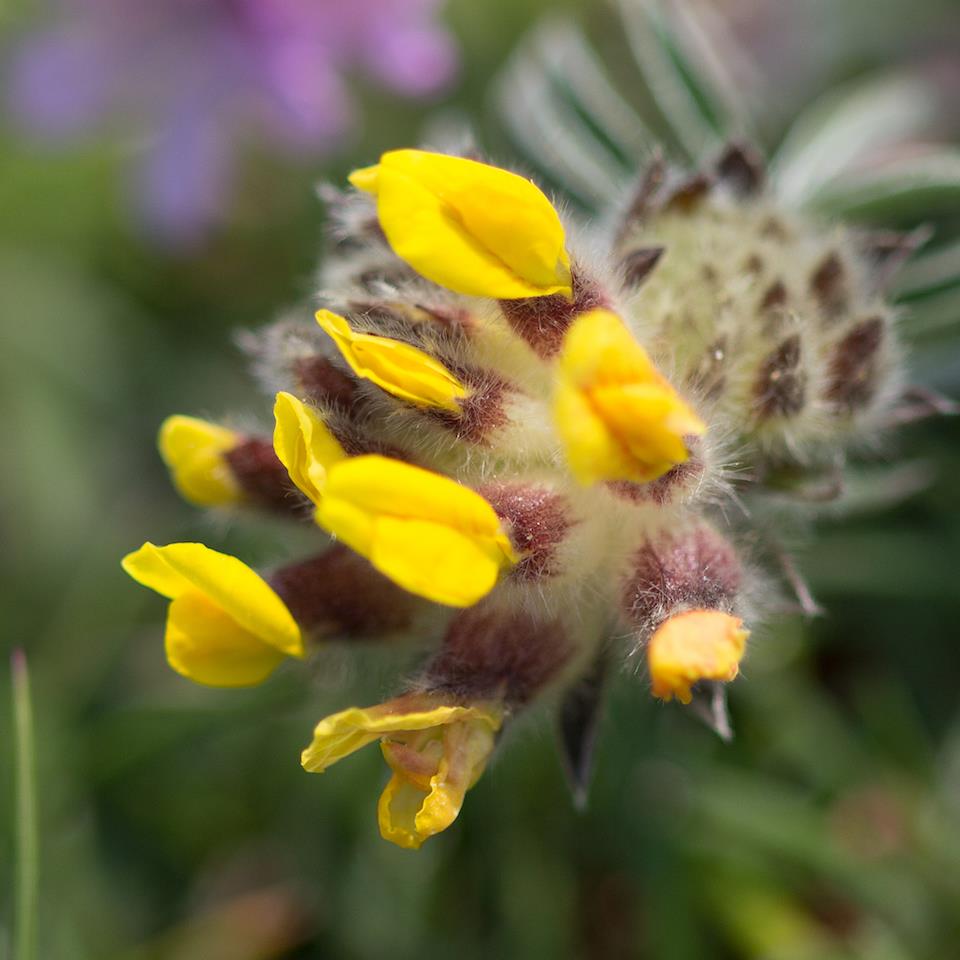
Kidney Vetch
The books say Kidney Vetch blooms from June, but this is The Lizard, so it flowers from May. Look out for it on cliff tops and sand dunes from late […]
-
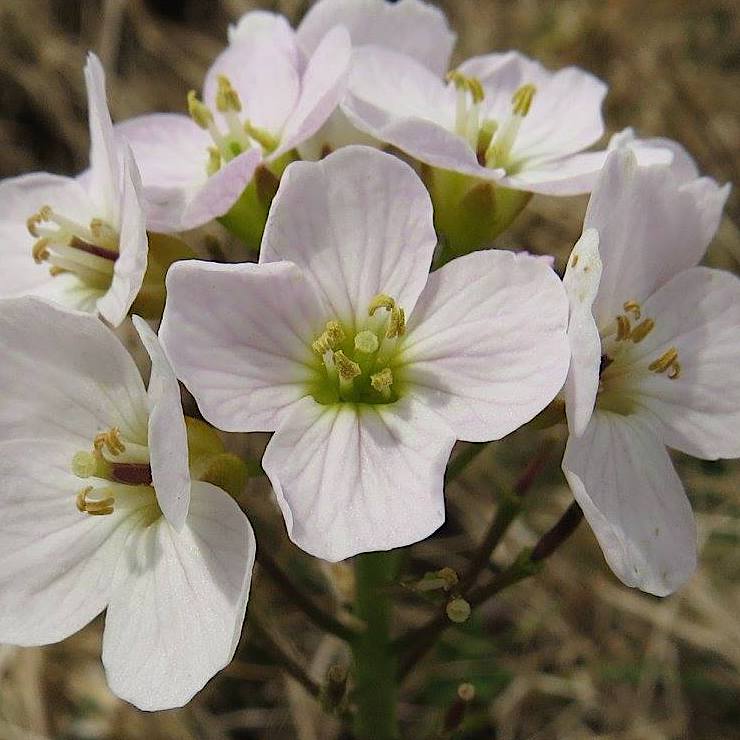
Cuckooflower
The flushed pink flowers of Cuckooflower can be spotted in damp meadows and on stream banks in the spring. Photo: Steve Townsend
-
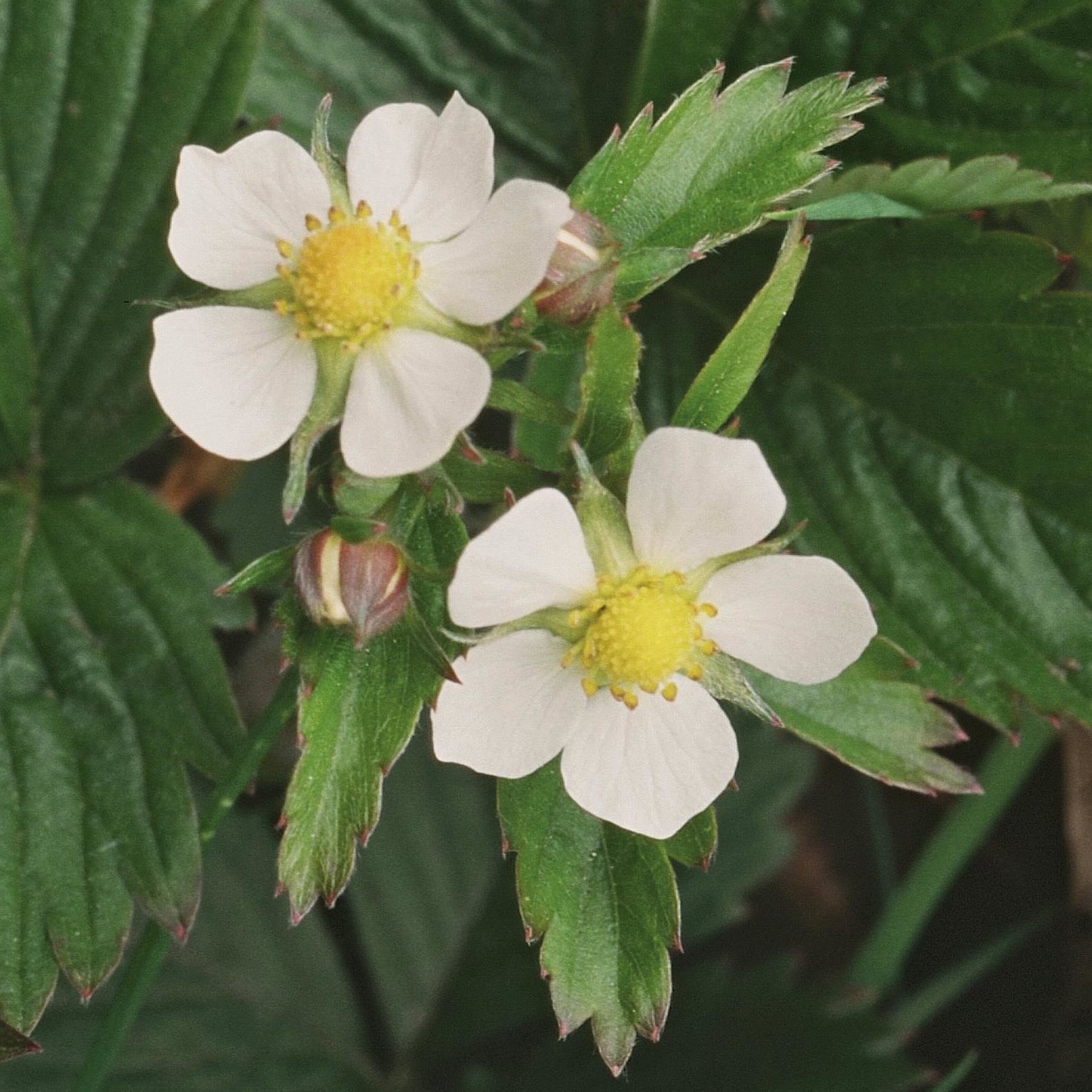
Barren Strawberry
Similar at first glance to Wild Strawberry, the pretty Barren Strawberry can be found flowering earlier, from February through to May. Photo: © Natural England/Peter Wakely
-

Leptothrix
No, it’s not a miniature oil slick. That oily film on the surface of puddles on The Lizard is an iron-oxidizing bacterium. Photo: Amanda Scott
-
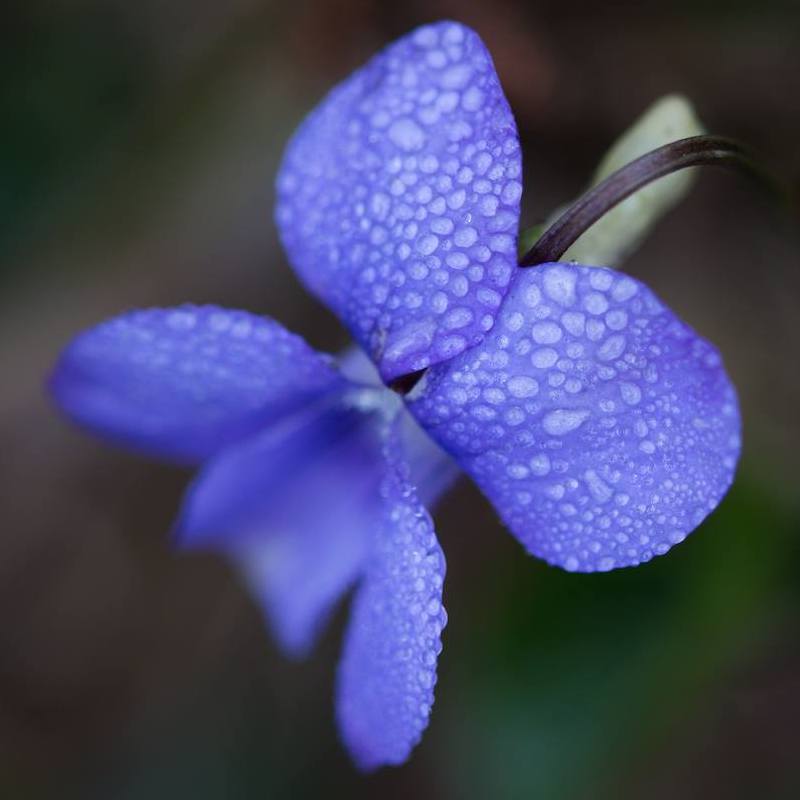
Common Dog-violet
Not the prettiest name for a very pretty flower…Common Dog-violets start to bloom in early Spring, with a second flush in late Summer. Photo: Amanda Scott
-

Sandwich Tern
Lizard Point is a great place for spotting migrant birds, such as Sandwich Terns, as they head to their breeding grounds. Photo: © Natural England/Allan Drewitt
-
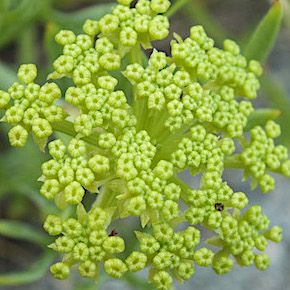
Rock Samphire
The yellow-green flowers of Rock Samphire brighten the coastline through the summer months. Photo: Amanda Scott
-

Blackbird
Blackbirds can be seen throughout the year on The Lizard. Photo: © Natural England/David Fanaroff
-

Redwing
Windmill Farm is a good place to spot Redwing, often in mixed flocks with Fieldfare. Both species are winter visitors to The Lizard. Photo: © Natural England/Allan Drewitt
-
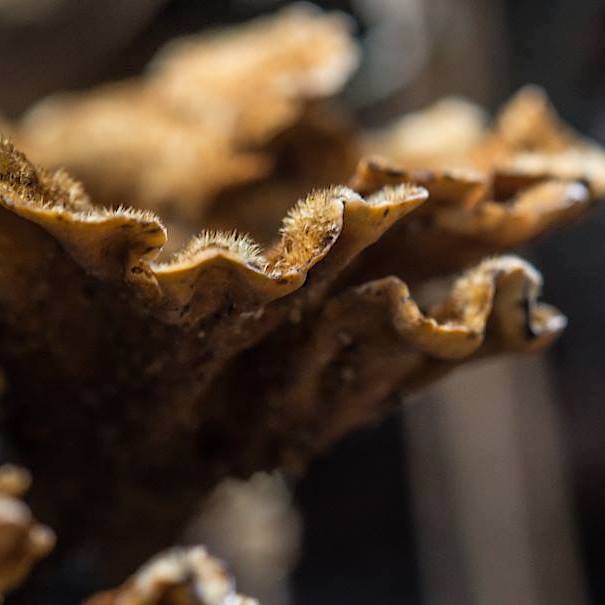
Hairy Curtain Crust
A fungus of dead wood from broadleaf trees, Hairy Curtain Crust can be found throughout the year. This colony was spotted on a fallen oak at Penrose. Photo: Amanda Scott
-

Fieldfare
Flocks of Fieldfares can be spotted out on The Lizard through the winter, often in mixed flocks with Redwing. Photo: © Natural England/Allan Drewitt