
Tag: The Lizard
-

Peacock
Peacock butterflies emerge into the sunshine from their winter sleep in the spring. Photo: © Natural England/Paul Glendell
-
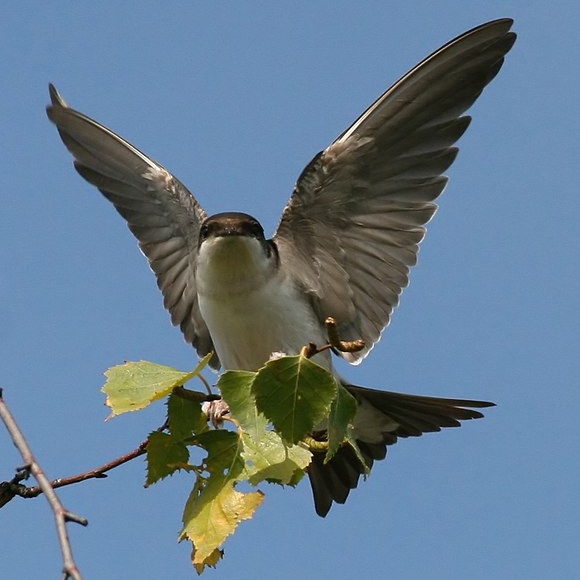
House Martin
House Martins arrive back in the UK in the spring. Photo: Ken Billington
-
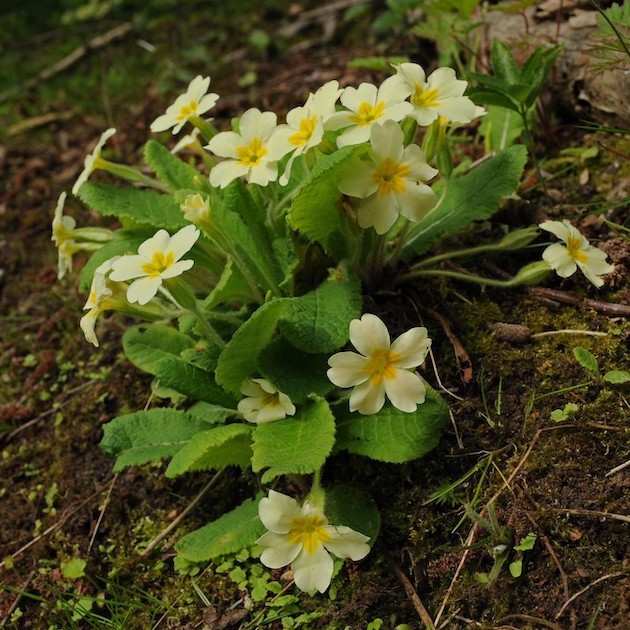
Primrose
It must be spring when there are primroses. Photo: © Natural England/Peter Roworth
-
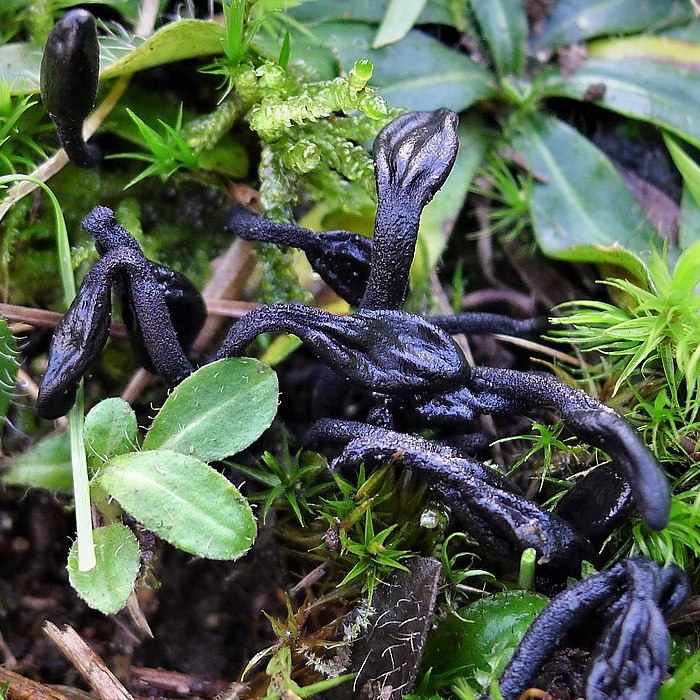
Earthtongues
There are nine species of Earthtongues in the UK. Often overlooked, they are an important indicator of ancient unimproved grassland. Photo: gailhampshire, CC BY 2.0, via Wikimedia Commons
-

Goldfinch
Who doesn’t love a Goldfinch? Photo: © Natural England/Allan Drewitt
-

Herring Gull
Did you know the Herring Gull is a red-listed species in the UK? Photo: © Natural England/Julian Dowse
-
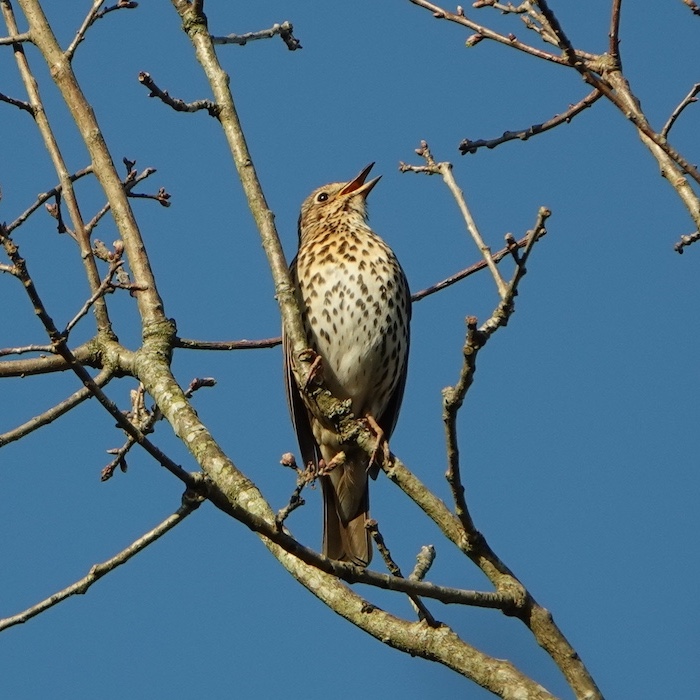
Song Thrush
Song Thrushes are among the first birds to start singing in the earliest days of spring, but don’t be surprised if you hear one in mid-winter. Photo: Amanda Scott
-
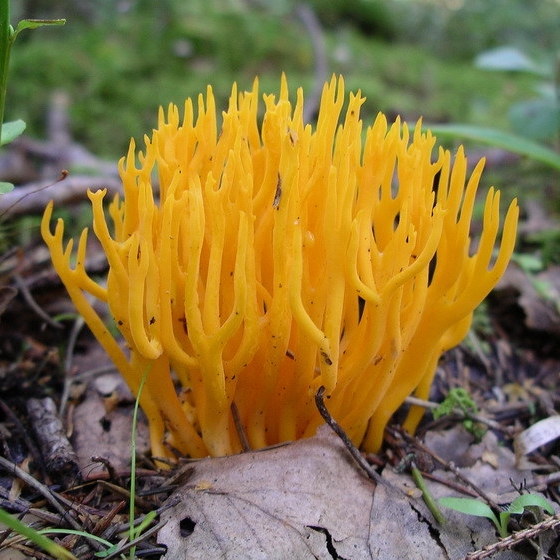
Yellow Stagshorn
It’s easy to see how this fungus got its name. It is most commonly seen from summer to autumn. Photo: Nomeda Vėlavičienė, CC BY-SA 3.0, via Wikimedia Commons
-
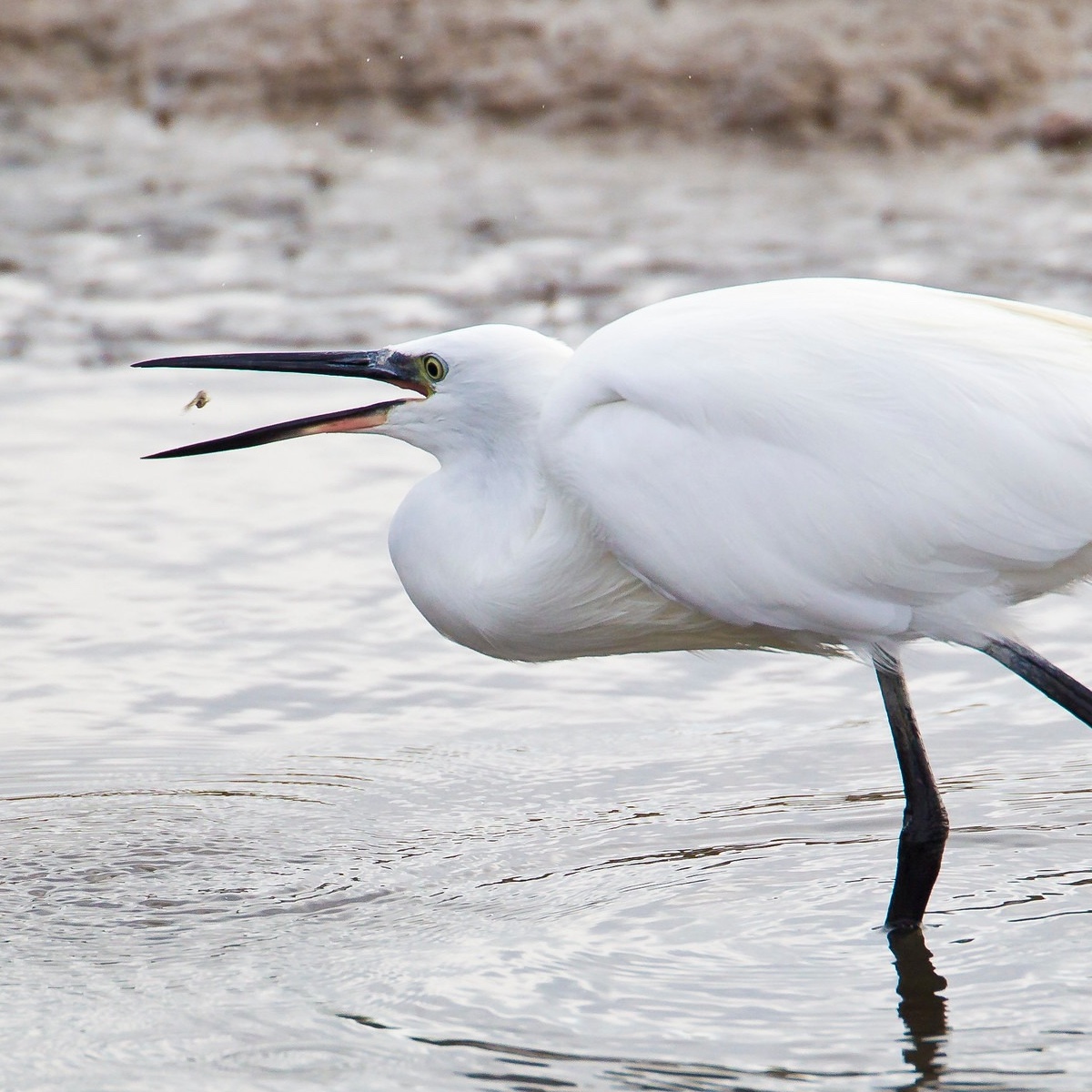
Little Egret
Look for Little Egrets in the creeks of the Helford. Photo: © Natural England/Allan Drewitt
-

Roe Deer
Although still more common in eastern and central Cornwall, Roe Deer have more recently been spreading further west, including to The Lizard. Windmill Farm is a good place to see […]
-
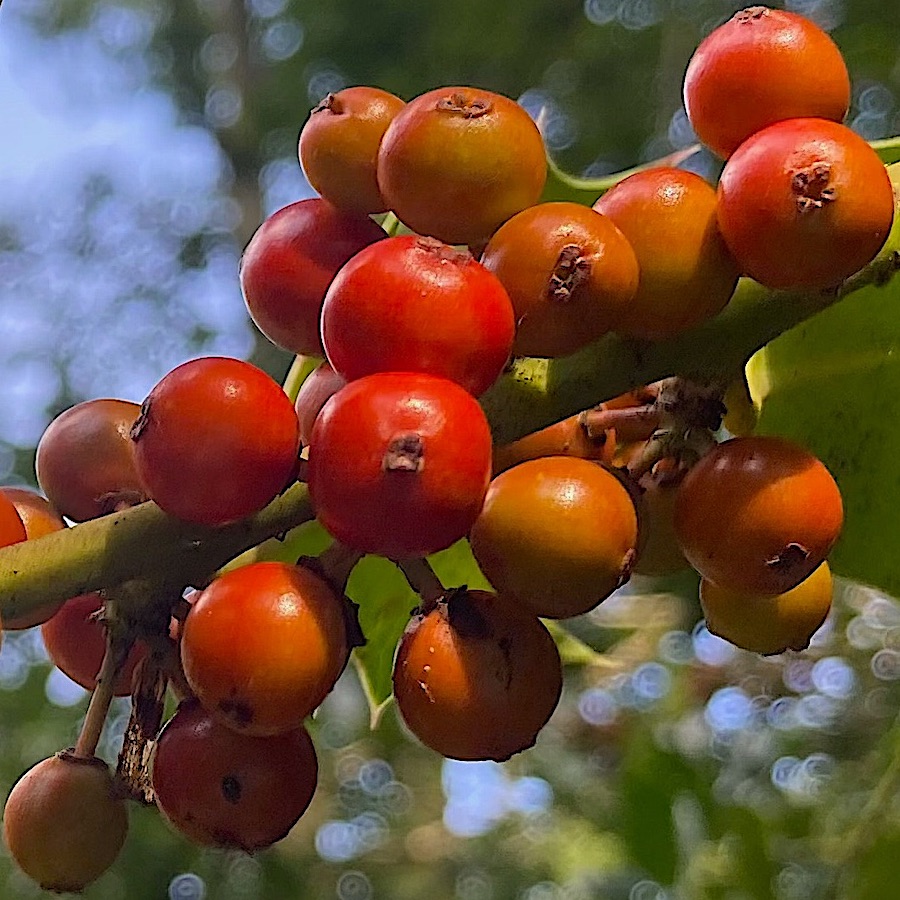
Holly
“Deck the halls with boughs of holly”…Perhaps the favourite plant for Christmas decorations, Holly is also one of our most familiar woodland shrubs. Look out for its evergreen leaves on […]
-
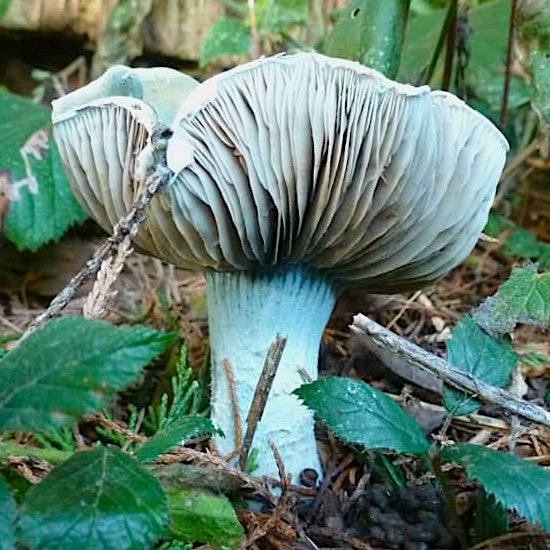
Blue Roundhead
the beautiful Blue Roundhead is usually associated with summer and autumn, but might linger on into the winter. Photo: Steve Townsend
-
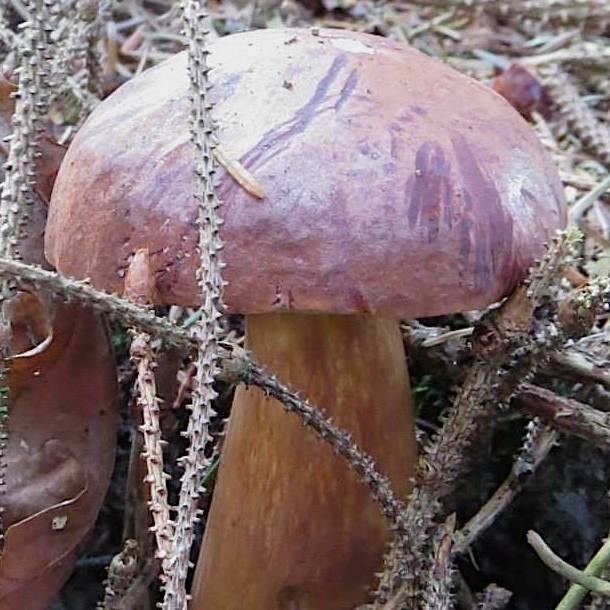
Penny Bun
Penny Bun mushrooms are not often found on The Lizard; these were spotted in a spruce plantation. Photo: Steve Townsend
-
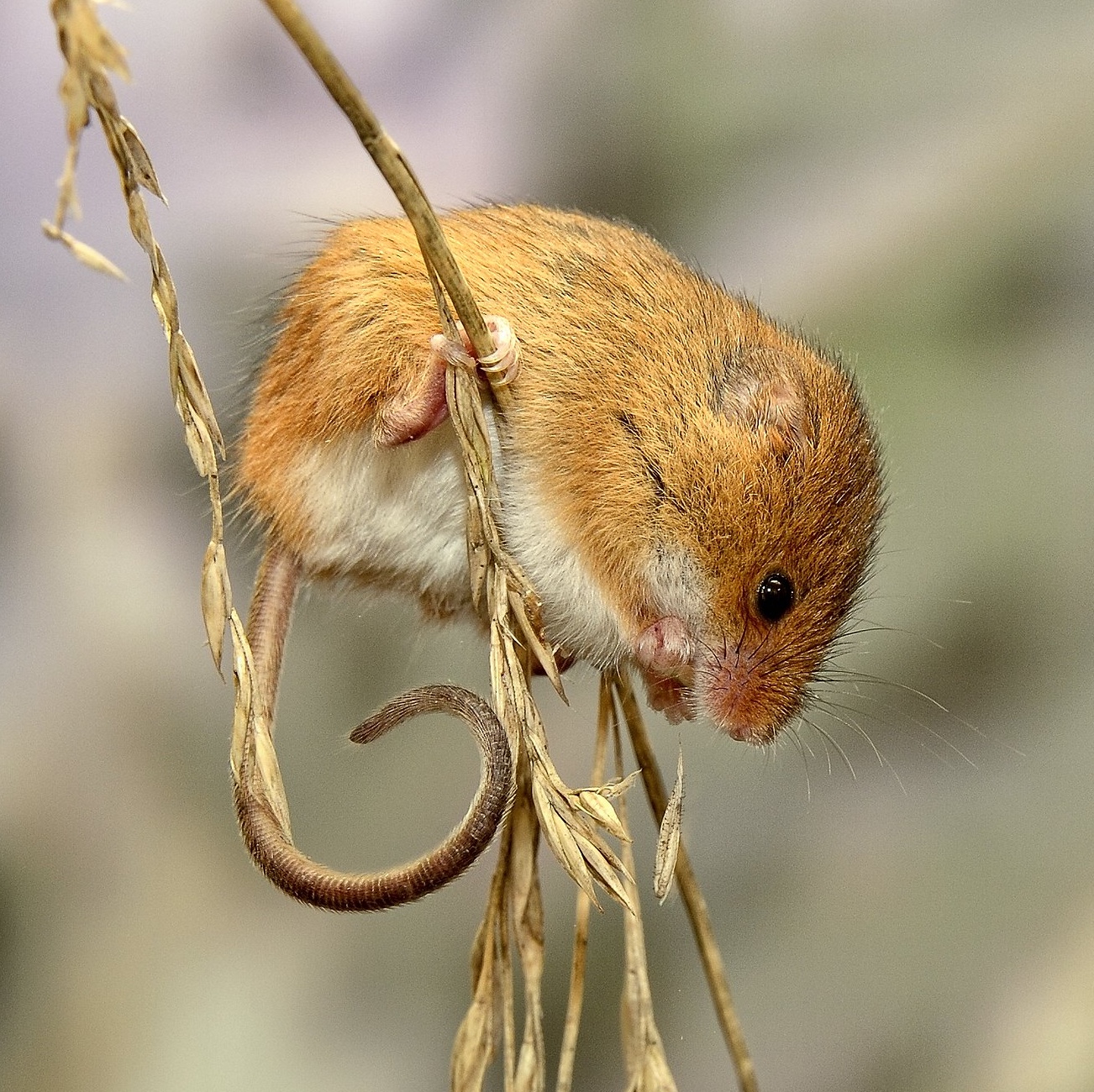
Harvest Mouse
You are more likely to spot the closely woven nest of a Harvest Mouse than the animal itself. Photo: ©Natural England/Julian Dowse
-

Hedgehog
Hedgehogs are not numerous on The Lizard, but keep an eye out on those late evening strolls from spring to autumn. Photo: © Amanda Scott
-

Chiffchaff
Mainly a summer visitor to the UK, a small but increasing number of this small warbler with its familiar song now overwinters here. Photo: © Natural England/Allan Drewitt