
Author: Amanda Scott
-
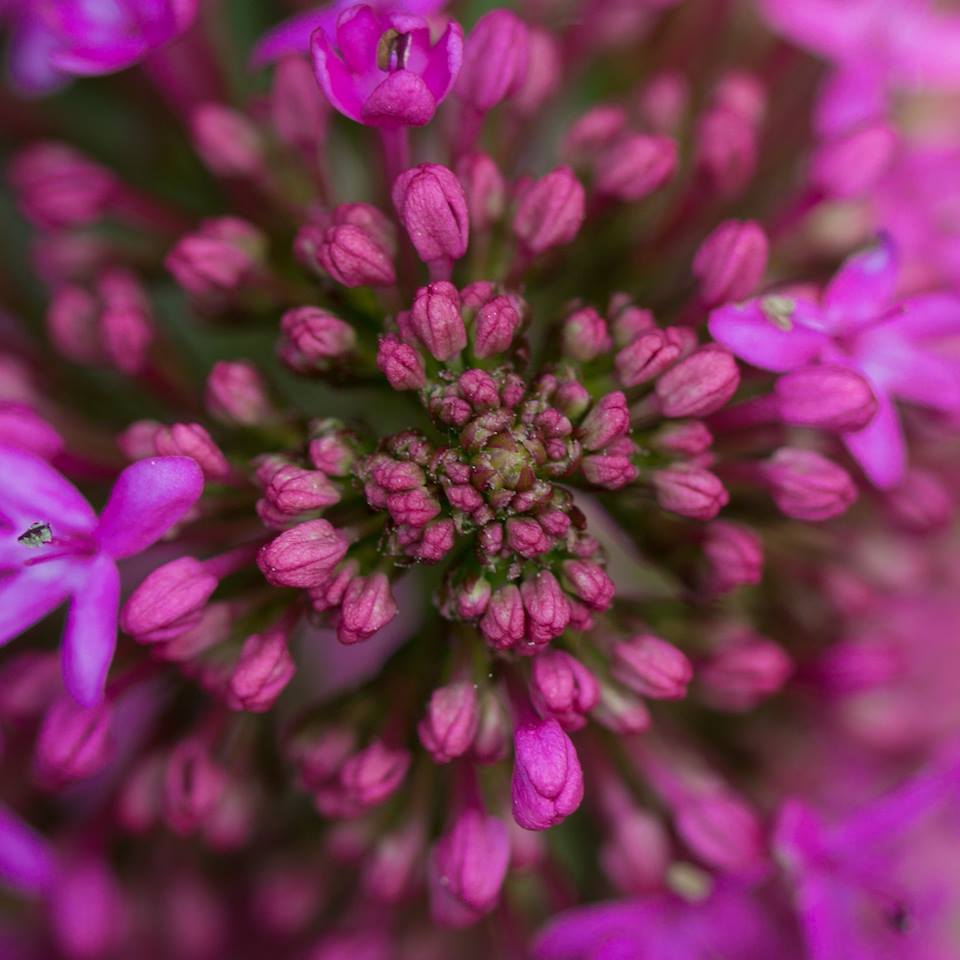
Red Valerian
The rich magenta and ruby hues of Red Valerian are a lovely sight in the summer, whispering of the Mediterranean. Photo: Amanda Scott
-
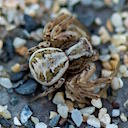
Common Crab Spider
This little crab spider was spotted scuttling across the beach at Church Cove, near Gunwalloe, but they can be found in many habitats, especially open, undisturbed ground. Photo: Amanda Scott
-
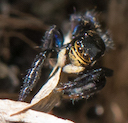
Jumping Spider
This attractive little species of Jumping Spider was spotted at Kennack Sands. Photo: Tony Blunden
-
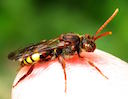
Flavous Nomad Bee
This lovely little nomad bee was spotted at Poltesco. Called the Flavous Nomad Bee, it was gorging itself on Three-cornered Garlic. Photo: Andy Pay
-

Leptothrix
No, it’s not a miniature oil slick. That oily film on the surface of puddles on The Lizard is an iron-oxidizing bacterium. Photo: Amanda Scott
-

Sandwich Tern
Lizard Point is a great place for spotting migrant birds, such as Sandwich Terns, as they head to their breeding grounds. Photo: © Natural England/Allan Drewitt
-
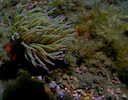
Snakelocks Anemone
Snakelocks Anemones are mainly found in rockpools at the low tide mark on the shore. Photo: ©Natural England/Ross Bullimore
-
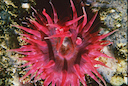
Dahlia Anemone
Dahlia Anemones are a common rockpool find on the lower shore. Photo: ©Natural England/F Dipper
-
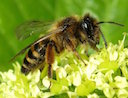
Yellow-legged Mining Bee
The first flight period of the Yellow-legged Mining Bee is in the spring, when you can spot them nectaring on flowers. You can also look out for their nests in exposed soil, looking like tiny drilled holes. Photo: Andy Pay
-

Blackbird
Blackbirds can be seen throughout the year on The Lizard. Photo: © Natural England/David Fanaroff
-

Redwing
Windmill Farm is a good place to spot Redwing, often in mixed flocks with Fieldfare. Both species are winter visitors to The Lizard. Photo: © Natural England/Allan Drewitt
-
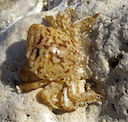
Columbus Crab
This small crab species is an occasional visitor to Cornwall’s shoreline, brought here by storms and strong currents, often in the company of Goose Barnacles. They can sometimes be spotted on The Lizard. Photo: Philippe Boujon
-
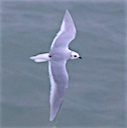
Ross’s Gull
This pretty, small gull is native to the High Arctic of Canada and Siberia. This vagrant was spotted early in January 2016 flying by Lizard Point. Photo: Tony Blunden
-

Fieldfare
Flocks of Fieldfares can be spotted out on The Lizard through the winter, often in mixed flocks with Redwing. Photo: © Natural England/Allan Drewitt
-
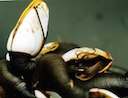
Goose Barnacles
Look out for Goose Barnacles washed up on shore attached to driftwood and other flotsam on the beach, especially after stormy weather. Photo: Wikimedia Commons (see main article for full attribution)
-

Common Sandpiper
Common Sandpipers are often spotted on the Helford, on their migration. Read on to find a video showing its characteristic, and very endearing, bobbing motion as it forages for food. Photo: © Natural England/Allan Drewitt