
Author: raysurridge
-
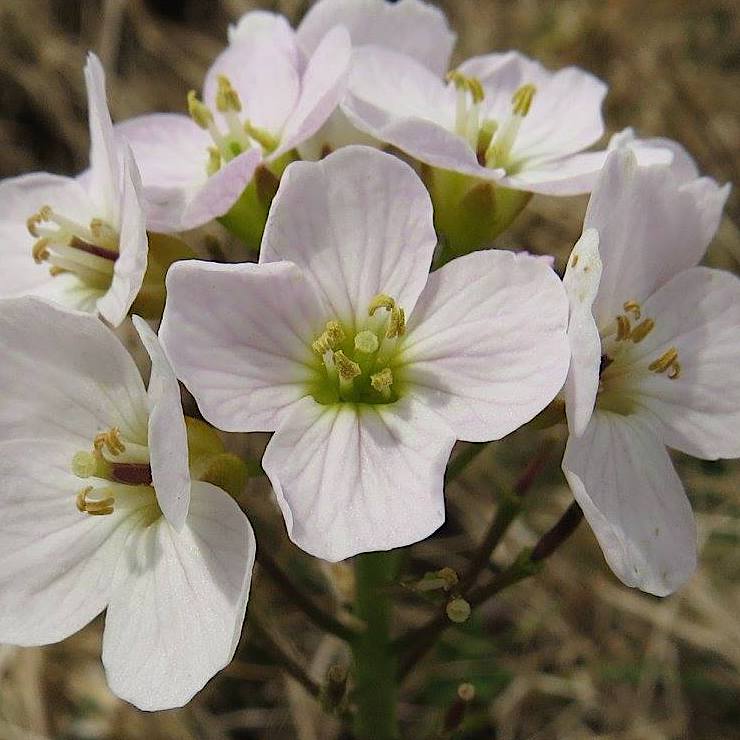
Cuckooflower
The flushed pink flowers of Cuckooflower can be spotted in damp meadows and on stream banks in the spring. Photo: Steve Townsend
-
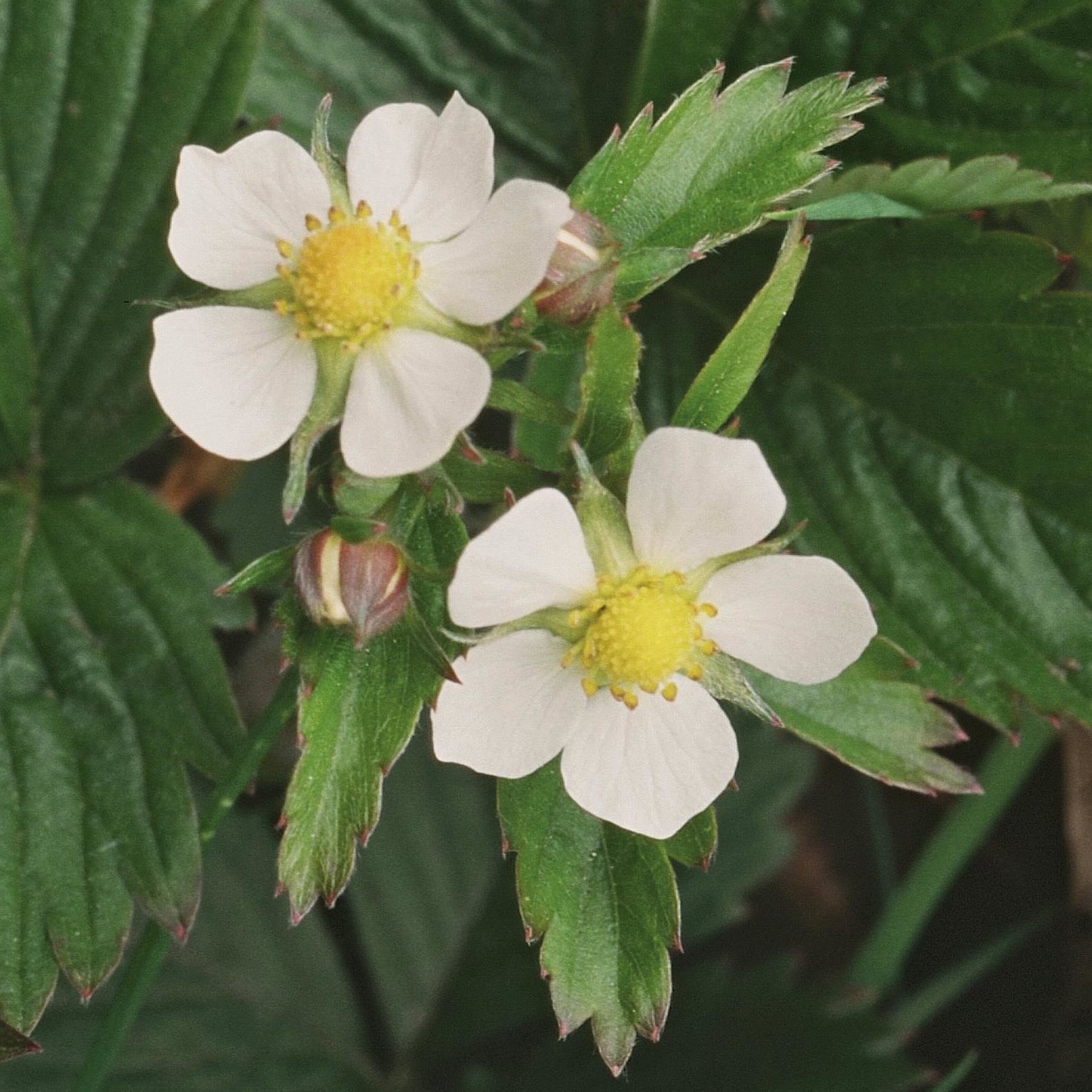
Barren Strawberry
Similar at first glance to Wild Strawberry, the pretty Barren Strawberry can be found flowering earlier, from February through to May. Photo: © Natural England/Peter Wakely
-
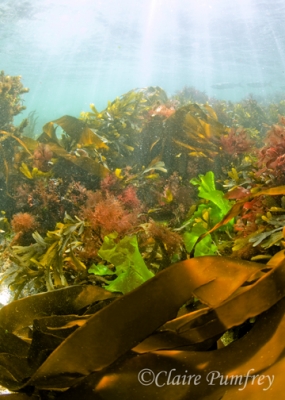
Seaweed, what do you know?
Have you ever eaten, drank or bathed in seaweed? You might not think so but the chances are you have done all three. Seaweed is surrounded by a stigma founded on that nauseous smell clouding every beach you visited in your childhood. What I hope to show you is that seaweed can be both beautiful…
-
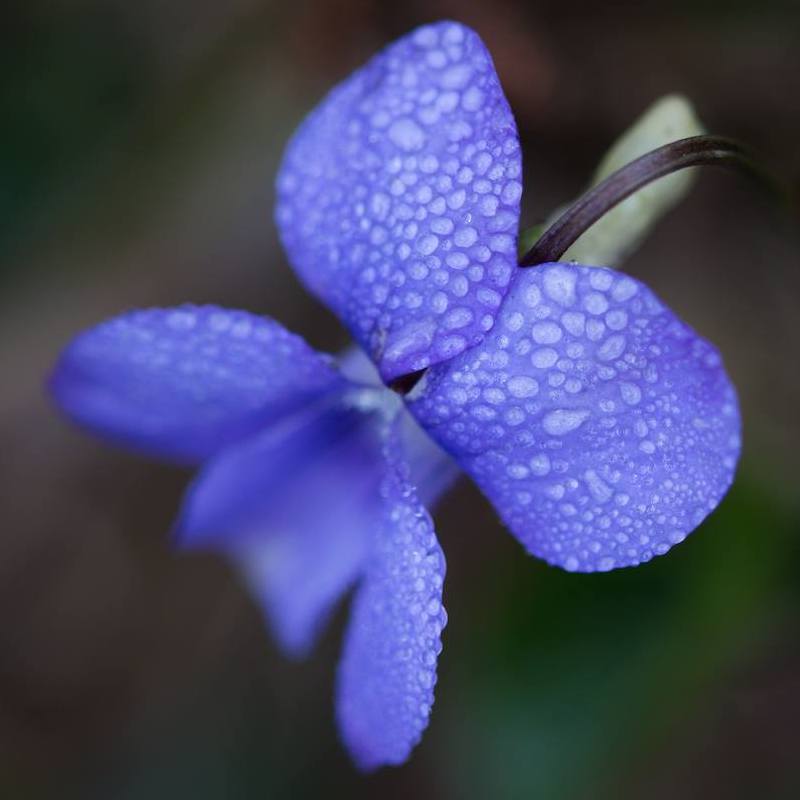
Common Dog-violet
Not the prettiest name for a very pretty flower…Common Dog-violets start to bloom in early Spring, with a second flush in late Summer. Photo: Amanda Scott
-
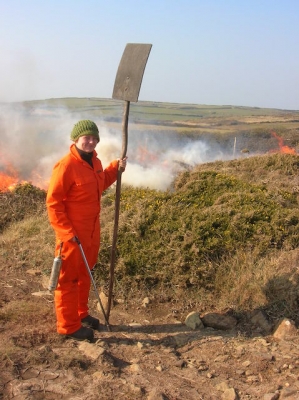
‘Swailing’ – where there’s smoke there’s a reason
Those of you who are regular watchers of the sky may have noticed in the last few weeks that it changed from its more traditional winter colour of battleship grey to something approaching a pleasing shade of blue. Yet, at this time of year, cometh the blue sky, cometh the smoke as farmers and conservationists…
-
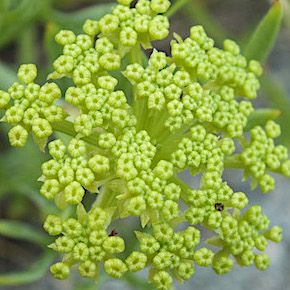
Rock Samphire
The yellow-green flowers of Rock Samphire brighten the coastline through the summer months. Photo: Amanda Scott
-
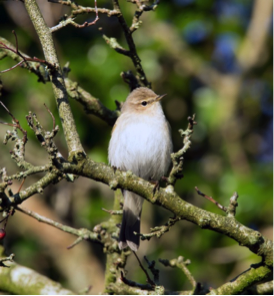
Where to find birds on The Lizard in late winter/early spring
First published on the website in 2016, this article by Dougy Wright (Warden of Windmill Farm Nature Reserve) explains where best to go on The Lizard to see birds in the later winter and early spring. As with much of the natural world, birds are starting to come to life, as winter slowly eases into…
-
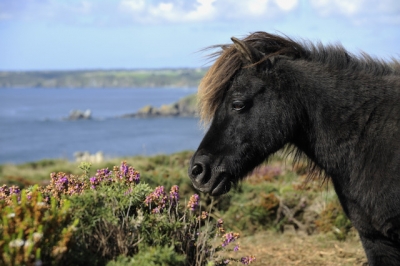
A year in the life of a National Trust pony
Grazing the heath at Beagles The National Trust has had ponies here on the Lizard for over 20 years, grazing the coastal heaths and grasslands for the benefit of wildlife. Our original herd, now aged over 30, is still going strong, proving a life of sea air does you good! These purebred Shetland ponies came…
-
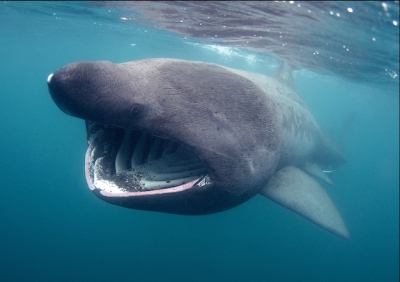
Responsible Wildlife Watching with the Cornwall Marine and Coastal Code Group
The Cornwall Marine and Coastal Code Group are tackling the issue of marine and coastal wildlife disturbance county-wide, and are calling on the public to help us monitor and manage this important issue. This winter seems never ending. Rain and high winds have been forecasted once again for this weekend, and rather than do our…
-
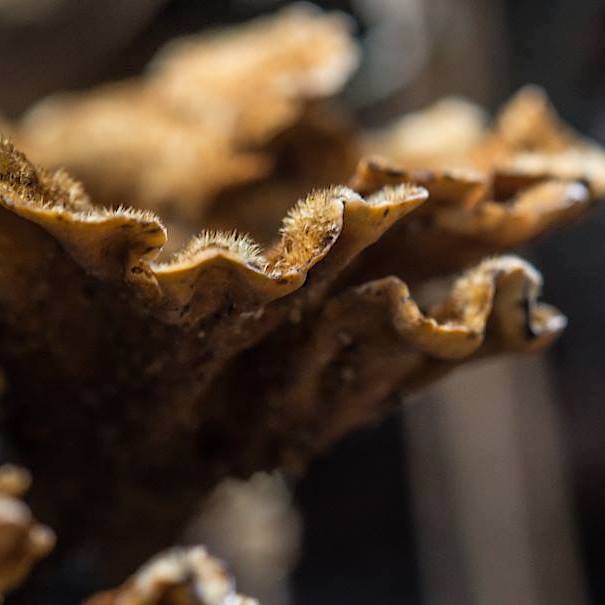
Hairy Curtain Crust
A fungus of dead wood from broadleaf trees, Hairy Curtain Crust can be found throughout the year. This colony was spotted on a fallen oak at Penrose. Photo: Amanda Scott
-
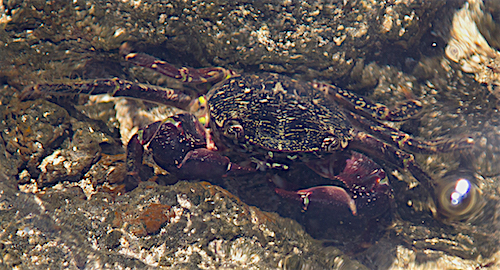
Marbled Rock Crab: a new colonist?
In July 2015, while torching some rock pools at night east of Lizard Point, I noticed a crab that was unfamiliar, but also familiar. I secured a record shot with the help of Luke Marsh, which was essential for the next steps, and released the crab. As I started to research the identity its familiarity…
-
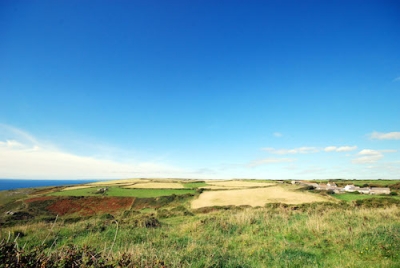
Historic Boundary Hedge Restoration at Teneriffe
Predannack Cliffs and Teneriffe Farm on the west coast of the Lizard are an extremely diverse historic landscape. There is the coastal grassland and heathland of the National Nature Reserve, and the ancient and unchanged coastal fields where the boundaries have always remain untouched. And then there are the slightly inland fields, which are a…
-
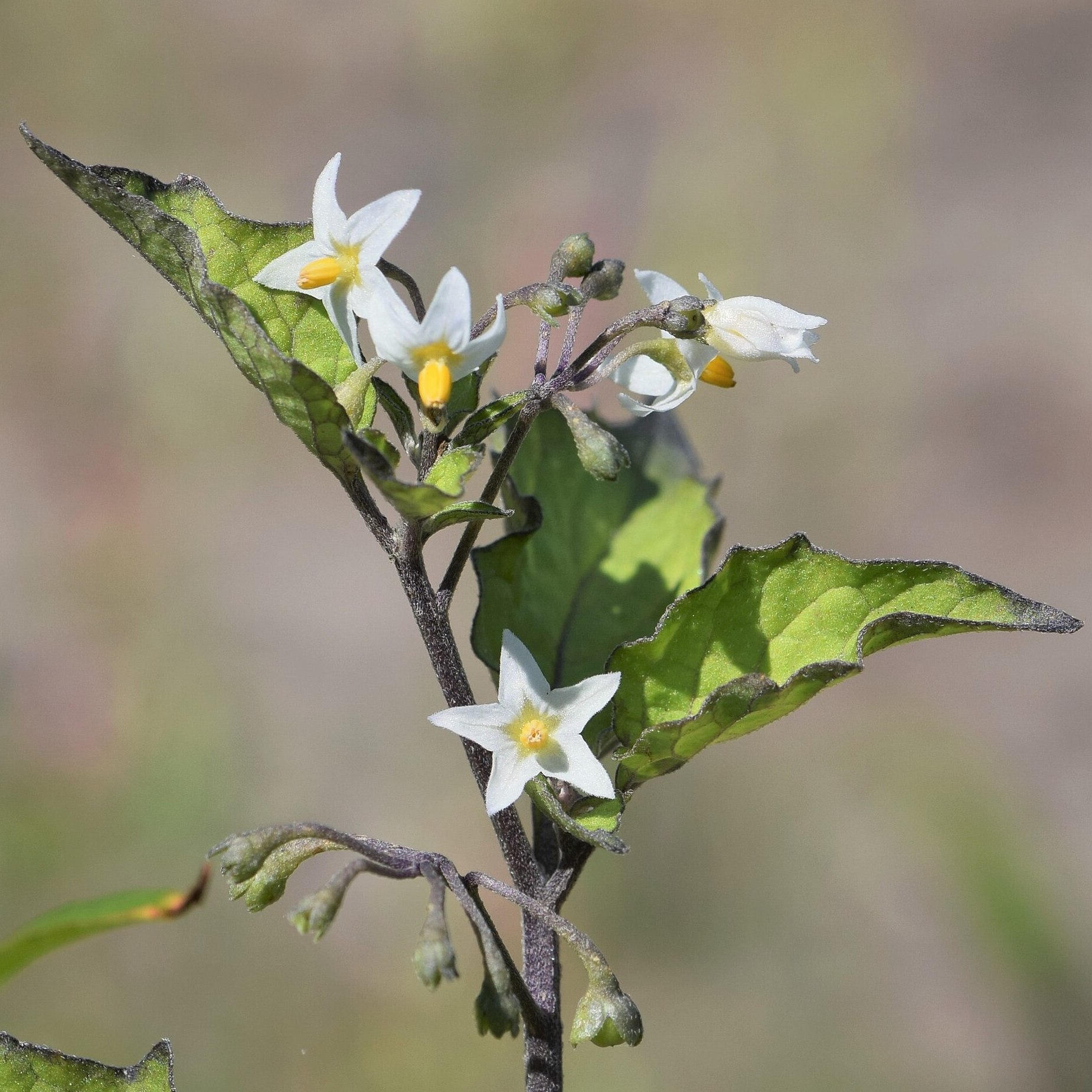
Black Nightshade
In late summer and into autumn, look out for the white flowers and bright yellow stamens of Black Nightshade on waste ground and nutrient-rich soils. Photo: Krzysztof Ziarnek, Kenraiz, CC BY-SA 4.0, via Wikimedia Commons
-
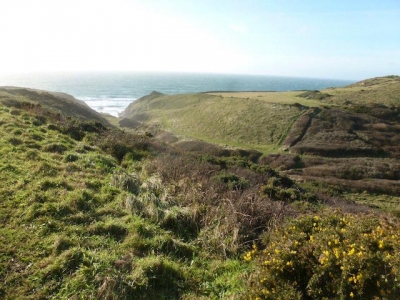
Invisible Stock Fencing!! We ARE Living in The Future!!
Caerthillian Cove on the south west tip of The Lizard peninsula is a site of botanical splendour. It is winter grazed by ponies to conserve its wonderful floristic diversity. In recent years the animals have been contained within temporary electric fencing. Despite being minimalistic this is still labour intensive, inconvenient for walkers, and detracts from…
-
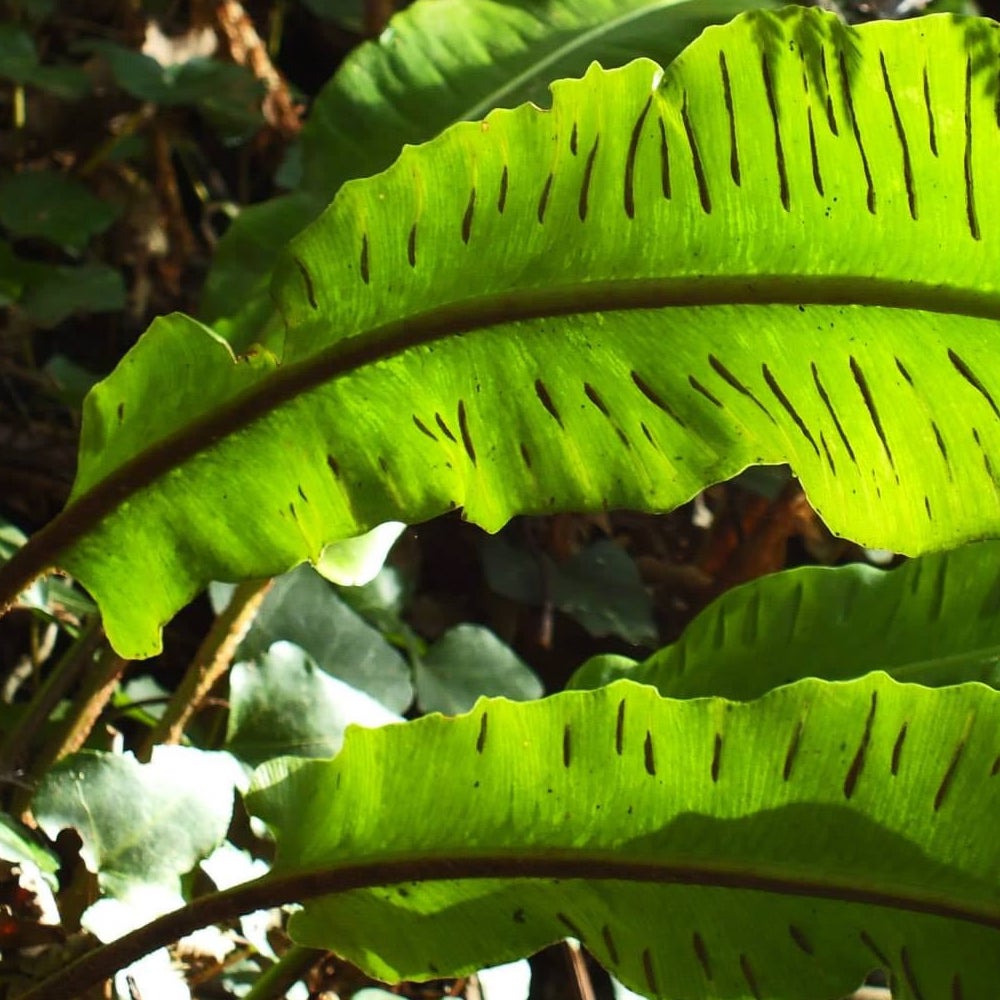
Hart’s-tongue
The woods behind Kennack Sands are a great spot for ferns, including the distinctive and evergreen Hart’s-tongue. Photo: Amanda Scott
-
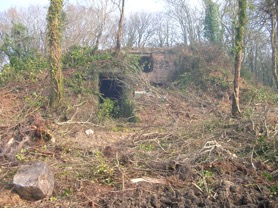
Former WW2 bunker ‘recommissioned’ after 70 years
There are still many World War and Cold War structures scattered across The Lizard landscape. They range from a WW1 Airship Station all the way through to secret WW2 radar and later Cold war installations, all of which required an elaborate network of buildings, roads and communications systems and barracks for the many personnel who…