
Author: raysurridge
-
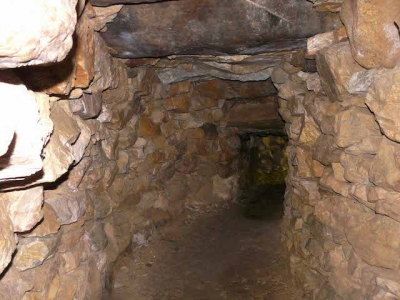
Scratching the surface of the Lizard
Souterrains, known locally as fogous, form part of the jetsam of West Cornish prehistory. Prehistory, in Cornwall, runs to the day before yesterday, grandfather’s day, or up to the time when someone started to write it down, but it is generally agreed that the fogou building era was twenty something centuries ago, in the Iron…
-
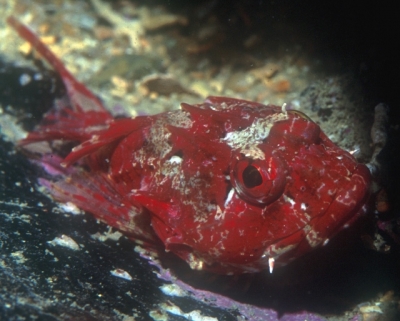
HELFORD’S ROCKY REEFS
The submergence circa 10,000 years ago of the land the Helford River to form the Estuary or Ria if you were using the correct technical term, has created the most amazing habitat for marine fauna. These rocky reefs and the communities of marine life that have established over thousands of years are named as particular…
-
The landscape history and archaeology of The Lizard’s downs and moors
In this article, Peter Dudley, of Cornwall Council’s Historic Environment Service (Projects), introduces us to the rich history and archaeology of The Lizard’s moors and downlands, from the Late Neolithic and Bronze Ages up to more recent times. Read on to discover something of the history of place names, commoning practices, settlements, barrows and farming,…
-
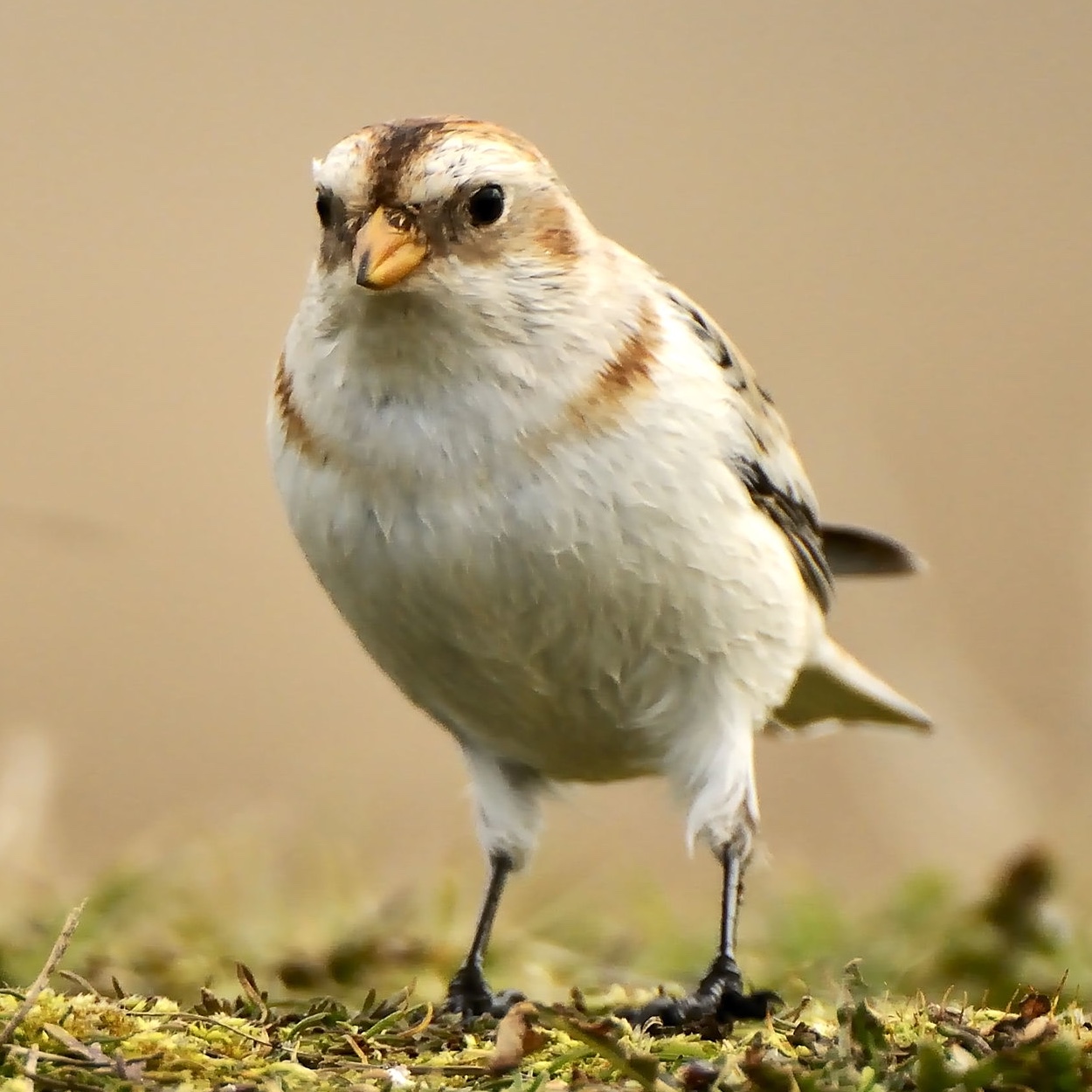
Snow Bunting
A breath of Arctic air – Snow Buntings can be spotted on migration at Lizard Point. Photo: © Natural England/Julian Dowse
-
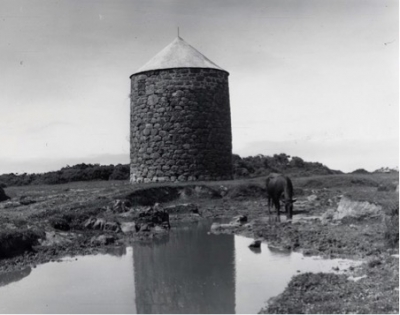
Windmill Farm National Nature Reserve
Windmill Farm National Nature Reserve is a 200 acre site that is jointly owned by Cornwall Wildlife Trust (CWT) and Cornwall Birdwatching and Preservation Society (CBWPS). The reserve is of interest to naturalists but also has a rich archaeological heritage ranging from Bronze Age Remains, Mediaeval field boundaries, 18th Century tenements and crofts, WW2 pillboxes…
-
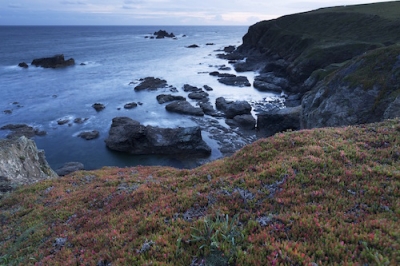
In search of the Lizard’s lost shipwrecked souls
Pistil Cove, where the shipwreck victims possibly washed ashore. Photo M Hirst Recent survey work has brought archaeologists closer to solving a 300 year old shipwreck mystery at Lizard Point. In November 1721, 207 unfortunate sailors lost their lives in a ferocious storm when their military transport galley the Royal Anne hit rocks and sank…
-
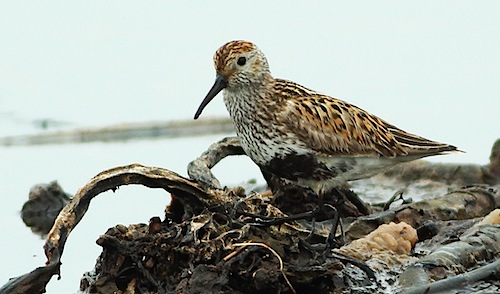
Dunlin
Dunlins can be spotted in estuaries and salt marshes in the autumn and winter. Photo: Amanda Scott
-
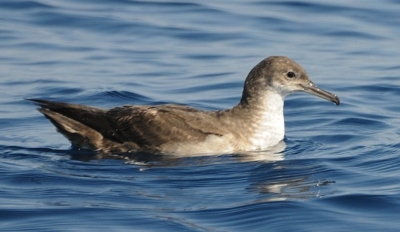
Balearic Island visitors
Fig1: Balearic Shearwater (Puffinus mauretanicus)* The Balearic Shearwater Puffinus mauretanicus is Europe’s only Critically Endangered seabird with a population thought to be around 3200 breeding pairs (18000-25000 individuals). The breeding population is mostly restricted to the Balearic archipelago but the seas around Cornwall are very important foraging areas especially for young birds.
-
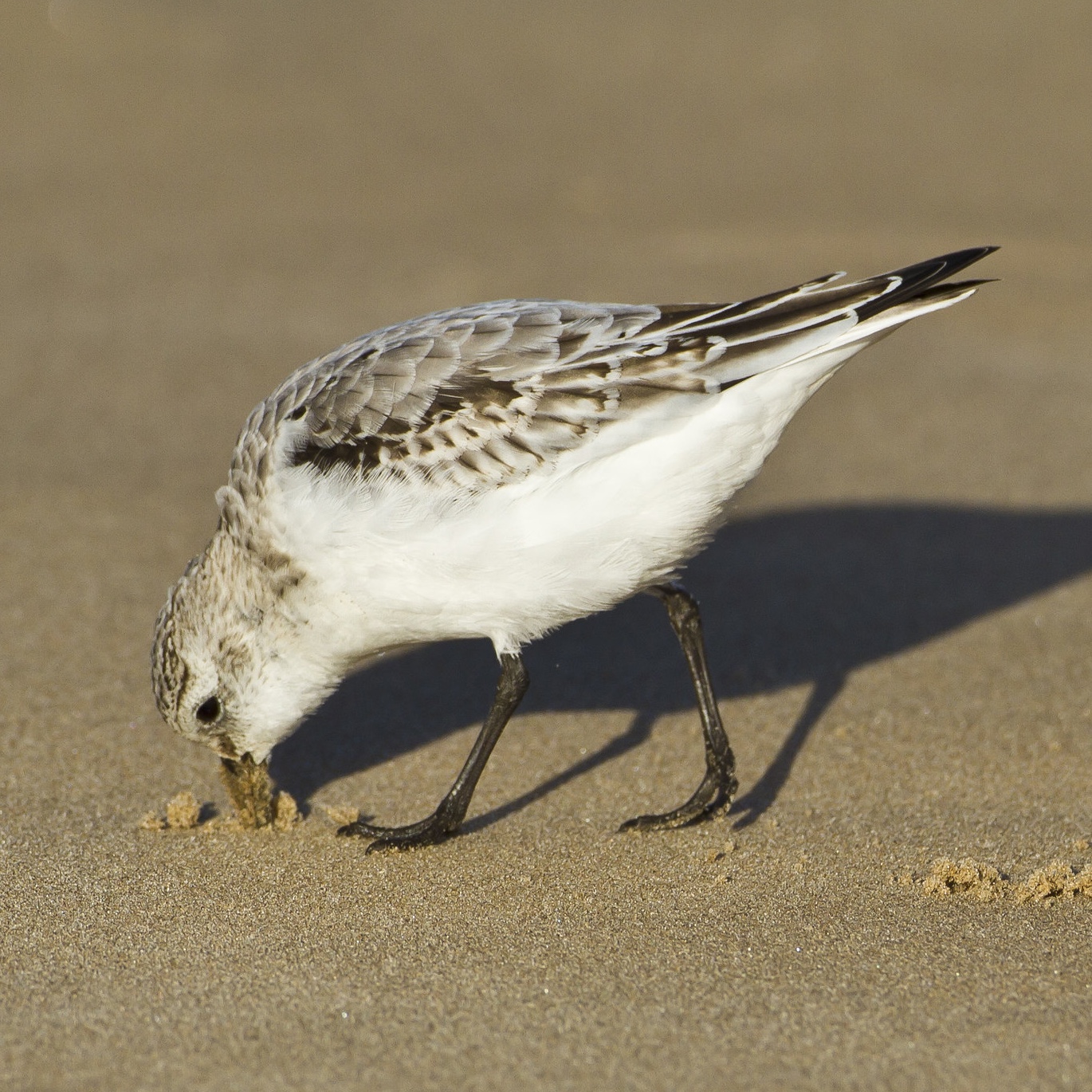
Sanderling
The south-west is not such a good place to look for Sanderlings on migration, but a few do turn up each year. Predannack is one good place to look. Photo: © Natural England/Allan Drewitt
-
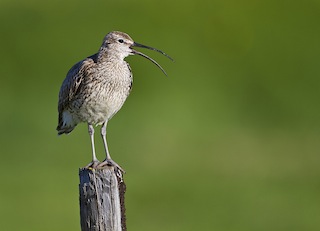
Whimbrel
Whimbrels may be spotted at Lizard Point on migration in the spring and later summer into autumn. Photo: © Natural England/Allan Drewitt
-
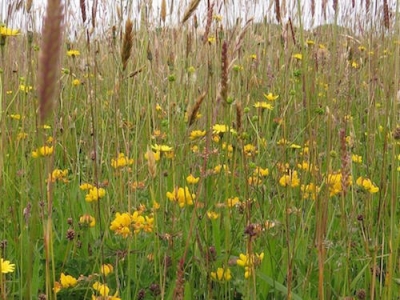
The Magnificence of Meadows
Is there anything that is essentially more summertime than lying in a ripe flower-rich meadow? The grassheads have turned golden and hang heavy with seed that wafts in the gently cooling breeze. The air is alive with the thrumming and buzzing of foraging and pollinating insects that flit amongst the kaleidoscope of blooming flowers. Fortunately…
-
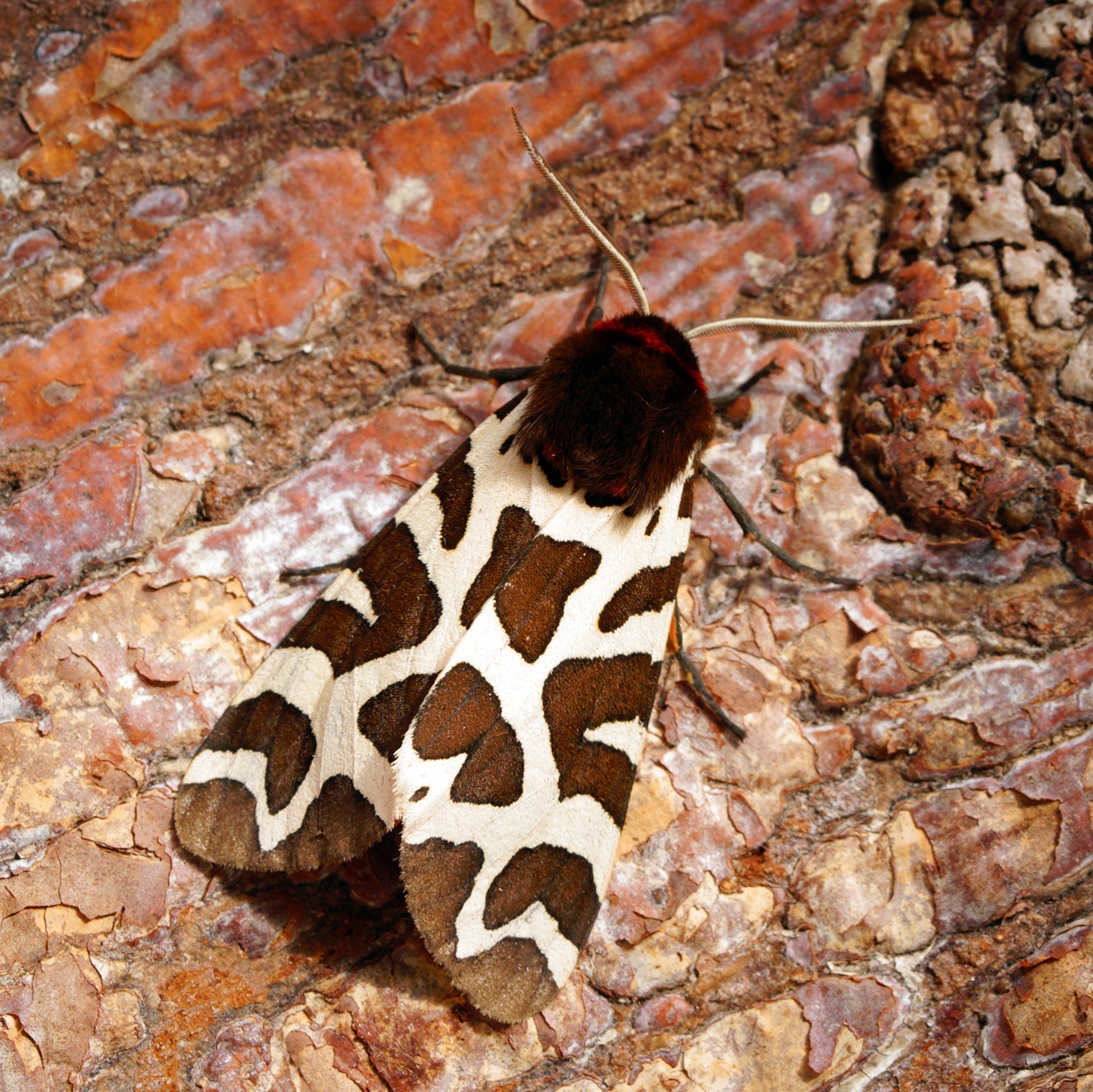
Garden Tiger
The spectacular Garden Tiger moth is on the wing in July and August, followed from August to June by its ‘Woolly Bear caterpillars. Photo: Ben Sale from UK, CC BY 2.0, via Wikimedia Commons
-

Gatekeeper
Mid to late July into early August is the peak time for the chocolate-and-orange Gatekeeper butterfly. Look out for them round hedgerows and scrubby areas. Photo: Charles J. Sharp, CC BY-SA 4.0, via Wikimedia Commons
-
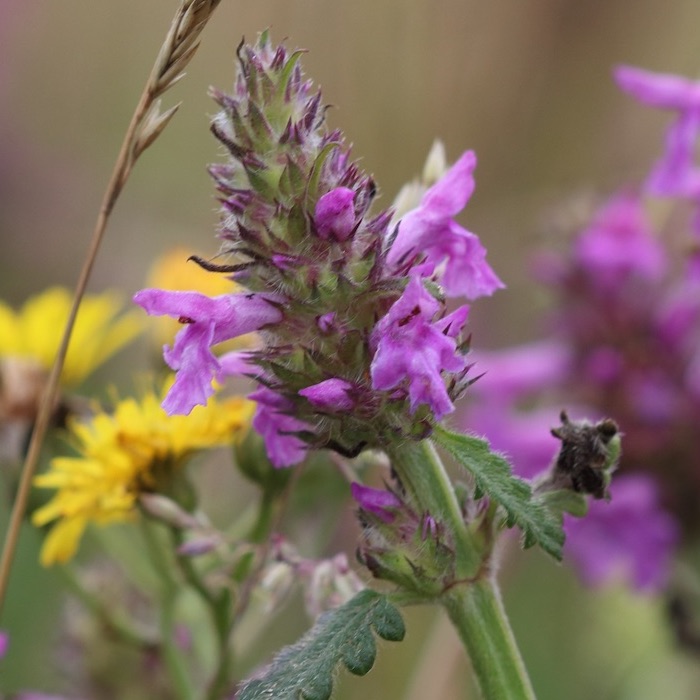
Betony
Purple spikes of Betony put on a lovely display along coastal paths in the summer. Photo: Amanda Scott
-
Pollinators: butterflies and moths
While butterflies and moths are not generally as efficient pollinators as some other insects, they do their bit. Photo: Dougy Wright
-
Privet Hawk-moth
This lovely Privet Hawkmoth was spotted at Caerthillian, resting on a fence. Photo: Steve Townsend