
Author: raysurridge
-
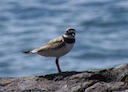
Ringed Plover
The Helford Estuary is a good place to spot Ringed Plover. Photo: Ray Surridge
-
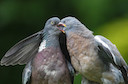
Woodpigeon
One of our more common bird species, the Woodpigeon is a familiar bird of woods, parks and gardens. Photo: © Natural England/Allan Drewitt
-

Sea-holly
Insect pollinators love the spiky blue flowers of Sea-holly. Loe Bar is a wonderful place to spot this lovely plant. Photo: Amanda Scott
-

Common Blue
The Common Blue is one of the butterflies counted annually in Butterfly Conservation’s Big Butterfly Count. Photo: Dougy Wright
-

Harebell
Nodding Harebell flowers start to blossom on the Lizard from July, taking over from Sheep’s-bit as it begins to fade. Photo: janetgraham84new, CC BY 2.0, via Wikimedia Commons
-
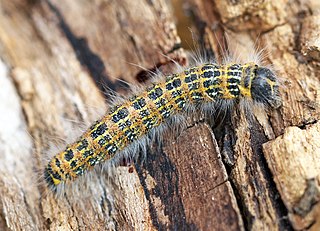
Buff-tip
Adult Buff-tips may be experts at disguise, but the brightly coloured caterpillars can’t be missed. Photo: Ben Sale
-
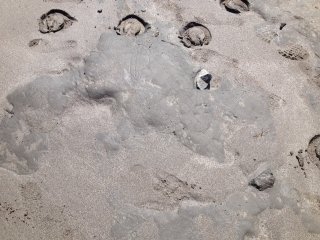
The rocky shores of Kennack Sands
A recent search for a suitable site to go rockpooling on The Lizard peninsula led two Natural England marine staff to Kennack Sands on a sunny blustery day in mid […]
-

Dyer’s Greenweed
The yellow flowers of Dyer’s Greenweed can be seen on the Lizard from June to August. The cliffs near Kynance Farm are a good place to look. Photo: © Natural […]
-
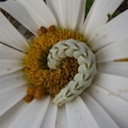
Chamomile Shark
We all love the flowers and scent of Chamomile, but so does the caterpillar of the Chamomile Shark moth. Photo: Ray Surridge
-

Wheatear
Wheatears are summer visitors to Britain, and in July you can often spot juveniles born in the same year, as well as the striking adults. Photo: © Richard Birchett
-

Ringlet
Ringlets may not be as showy as some other butterflies, but they have their own gentle charm. Photo: Amanda Scott
-

Wild Thyme
Wild Thyme is in full bloom on The Lizard in July. Photo: Amanda Scott
-

Large Skipper
Watch out for Large Skippers from May to September in meadows, and in woodland rides and glades. Photo: © Natural England/Allan Drewitt
-
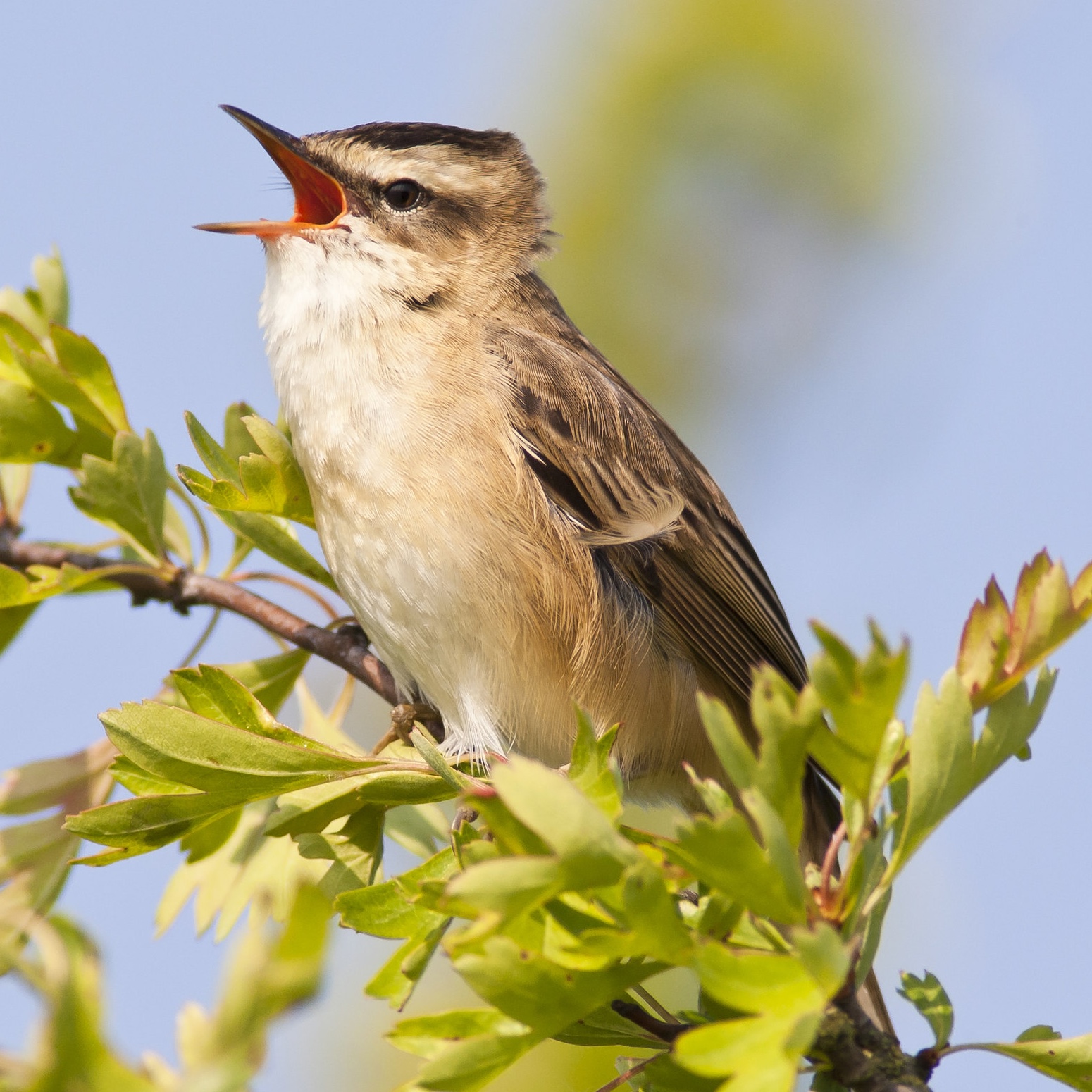
Sedge Warbler
Windmill Farm is a good place to spot Sedge Warblers, summer visitors to Britain from Africa, . Photo: © Natural England/Allan Drewitt
-

Conservation and Wild Food Foraging
As a passionate conservationist, dedicated to protecting the Lizard wildlife, it may seem unusual, indeed downright contradictory, that I am also passionate about foraging for wild food. A few years […]
-
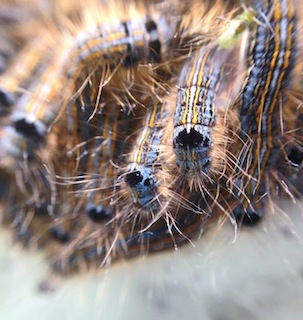
Lackey moth
June is the main time of year to watch out for webs of Lackey moth caterpillars: hawthorn and blackthorn shrubs are good places to look. Photo: Amanda Scott