
Mindblown: a blog about philosophy.
-

Blackbird
Blackbirds can be seen throughout the year on The Lizard. Photo: © Natural England/David Fanaroff
-
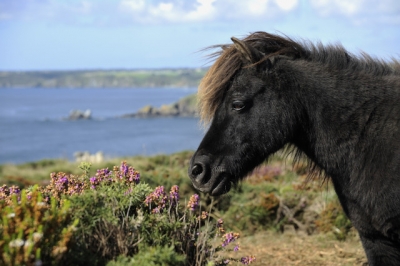
A year in the life of a National Trust pony
Grazing the heath at Beagles The National Trust has had ponies here on the Lizard for over 20 years, grazing the coastal heaths and grasslands for the benefit of wildlife. Our original herd, now aged over 30, is still going strong, proving a life of sea air does you good! These purebred Shetland ponies came…
-

Redwing
Windmill Farm is a good place to spot Redwing, often in mixed flocks with Fieldfare. Both species are winter visitors to The Lizard. Photo: © Natural England/Allan Drewitt
-
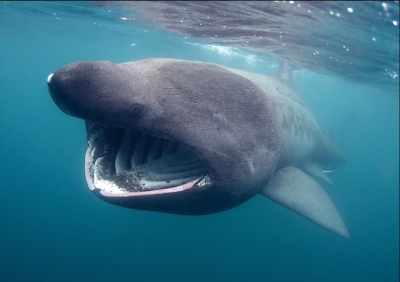
Responsible Wildlife Watching with the Cornwall Marine and Coastal Code Group
The Cornwall Marine and Coastal Code Group are tackling the issue of marine and coastal wildlife disturbance county-wide, and are calling on the public to help us monitor and manage this important issue. This winter seems never ending. Rain and high winds have been forecasted once again for this weekend, and rather than do our…
-
Columbus Crab
This small crab species is an occasional visitor to Cornwall’s shoreline, brought here by storms and strong currents, often in the company of Goose Barnacles. They can sometimes be spotted on The Lizard. Photo: Philippe Boujon
-
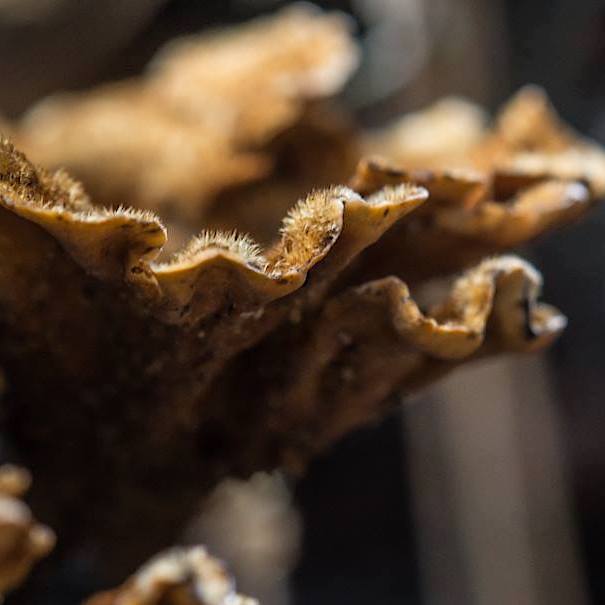
Hairy Curtain Crust
A fungus of dead wood from broadleaf trees, Hairy Curtain Crust can be found throughout the year. This colony was spotted on a fallen oak at Penrose. Photo: Amanda Scott
-
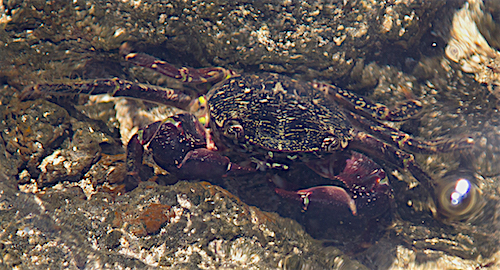
Marbled Rock Crab: a new colonist?
In July 2015, while torching some rock pools at night east of Lizard Point, I noticed a crab that was unfamiliar, but also familiar. I secured a record shot with the help of Luke Marsh, which was essential for the next steps, and released the crab. As I started to research the identity its familiarity…
-
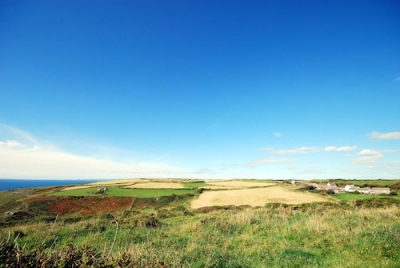
Historic Boundary Hedge Restoration at Teneriffe
Predannack Cliffs and Teneriffe Farm on the west coast of the Lizard are an extremely diverse historic landscape. There is the coastal grassland and heathland of the National Nature Reserve, and the ancient and unchanged coastal fields where the boundaries have always remain untouched. And then there are the slightly inland fields, which are a…
-
Ross’s Gull
This pretty, small gull is native to the High Arctic of Canada and Siberia. This vagrant was spotted early in January 2016 flying by Lizard Point. Photo: Tony Blunden
-

Fieldfare
Flocks of Fieldfares can be spotted out on The Lizard through the winter, often in mixed flocks with Redwing. Photo: © Natural England/Allan Drewitt
-
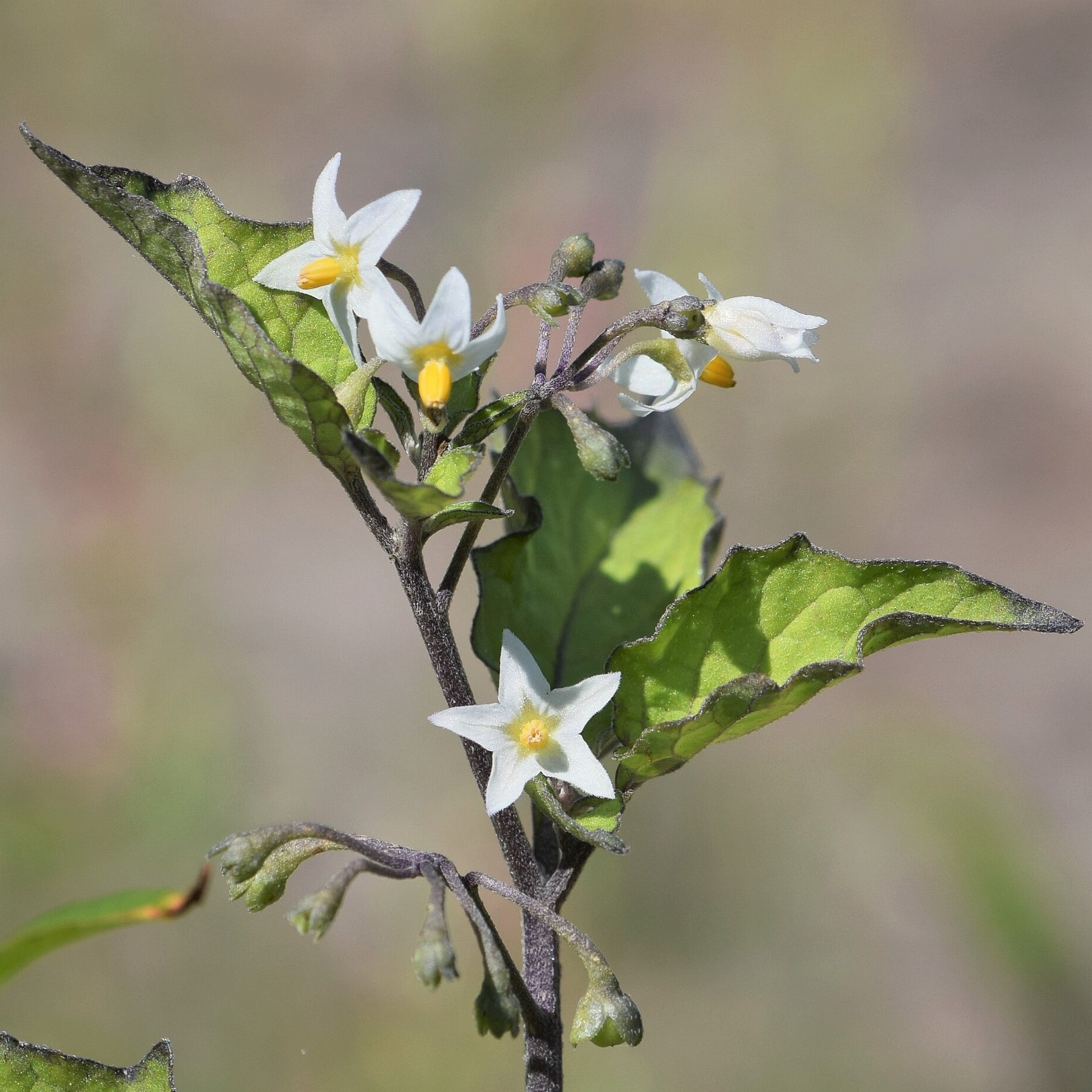
Black Nightshade
In late summer and into autumn, look out for the white flowers and bright yellow stamens of Black Nightshade on waste ground and nutrient-rich soils. Photo: Krzysztof Ziarnek, Kenraiz, CC BY-SA 4.0, via Wikimedia Commons
-
Invisible Stock Fencing!! We ARE Living in The Future!!
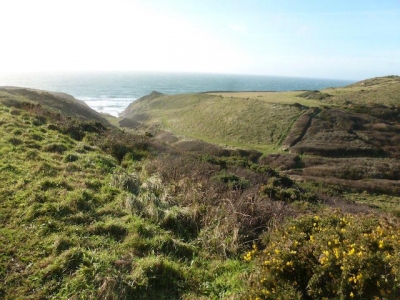
Caerthillian Cove on the south west tip of The Lizard peninsula is a site of botanical splendour. It is winter grazed by ponies to conserve its wonderful floristic diversity. In recent years the animals have been contained within temporary electric fencing. Despite being minimalistic this is still labour intensive, inconvenient for walkers, and detracts from…
-
Hart’s-tongue
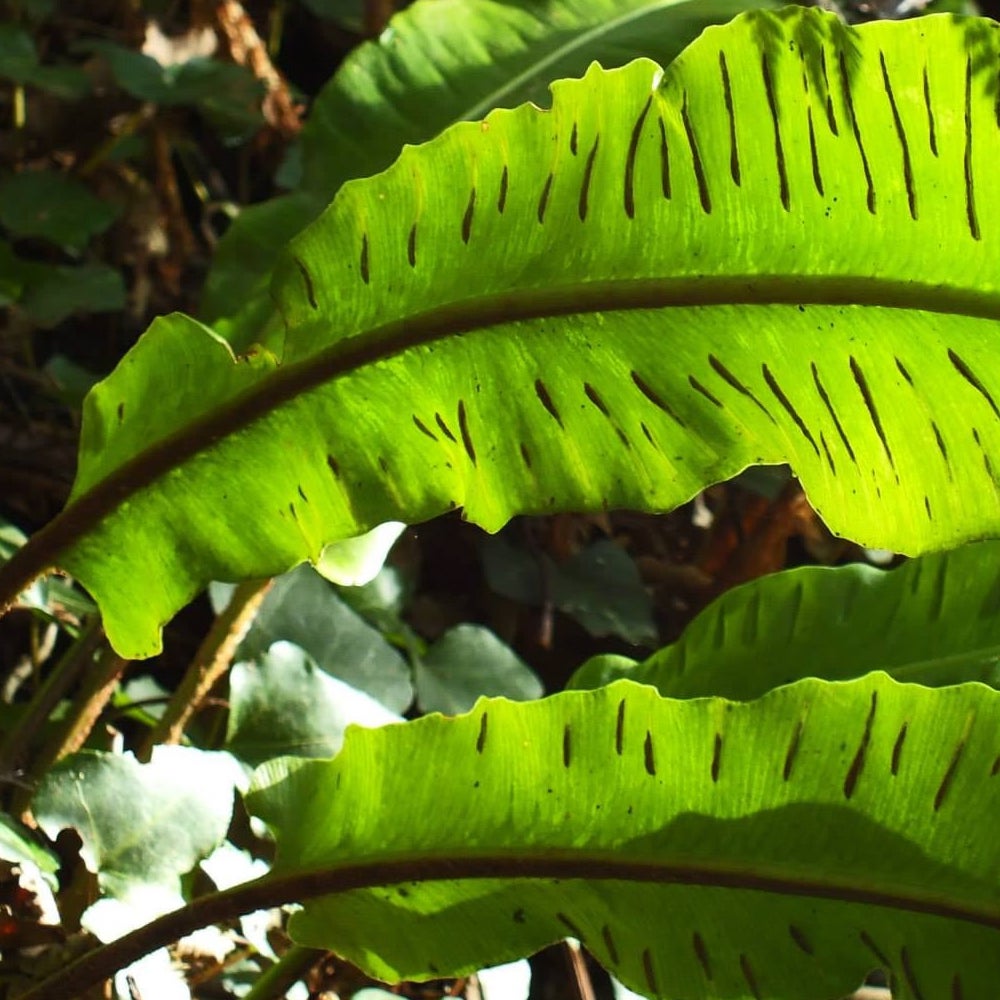
The woods behind Kennack Sands are a great spot for ferns, including the distinctive and evergreen Hart’s-tongue. Photo: Amanda Scott
-
Former WW2 bunker ‘recommissioned’ after 70 years
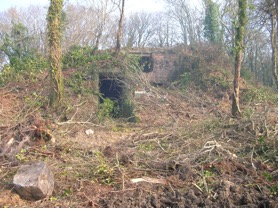
There are still many World War and Cold War structures scattered across The Lizard landscape. They range from a WW1 Airship Station all the way through to secret WW2 radar and later Cold war installations, all of which required an elaborate network of buildings, roads and communications systems and barracks for the many personnel who…
-
Scratching the surface of the Lizard
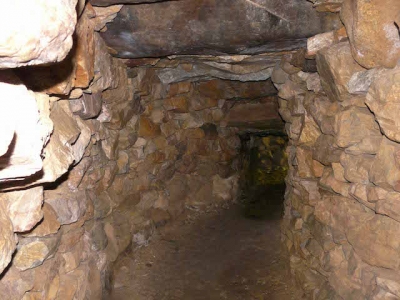
Souterrains, known locally as fogous, form part of the jetsam of West Cornish prehistory. Prehistory, in Cornwall, runs to the day before yesterday, grandfather’s day, or up to the time when someone started to write it down, but it is generally agreed that the fogou building era was twenty something centuries ago, in the Iron…
-
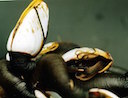
Goose Barnacles
Look out for Goose Barnacles washed up on shore attached to driftwood and other flotsam on the beach, especially after stormy weather. Photo: Wikimedia Commons (see main article for full attribution)
Got any book recommendations?