
Mindblown: a blog about philosophy.
-
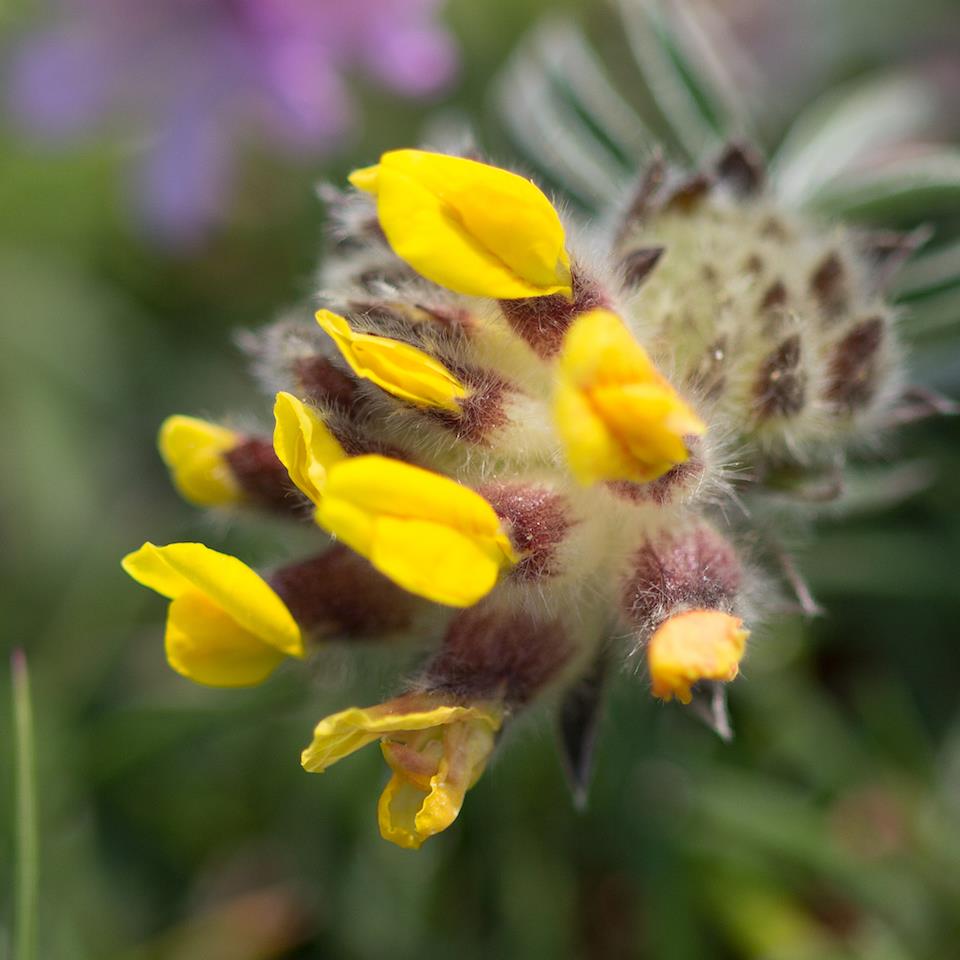
Kidney Vetch
The books say Kidney Vetch blooms from June, but this is The Lizard, so it flowers from May. Look out for it on cliff tops and sand dunes from late spring through into summer. Photo: Amanda Scott
-

Hoards of Prehistory, History & the Future
The invention of the Cornish shovel made it easier to shove things into the ground. It didn’t necessarily make it much easier to retrieve them as you had to remember the right place to dig. Underground deposits await finders as has been shown by the accidental discovery of a few hoards, right here, on The…
-
Jumping Spider
This attractive little species of Jumping Spider was spotted at Kennack Sands. Photo: Tony Blunden
-
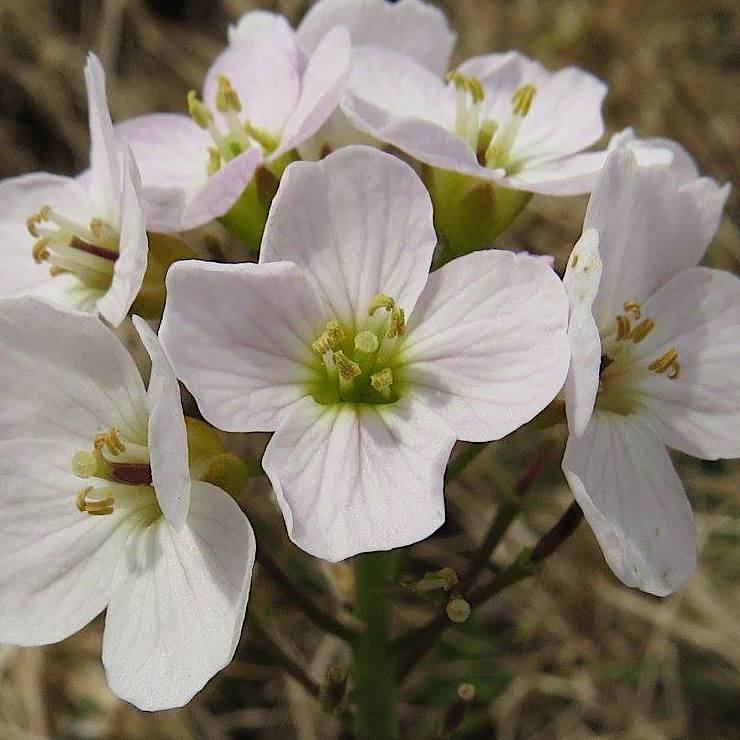
Cuckooflower
The flushed pink flowers of Cuckooflower can be spotted in damp meadows and on stream banks in the spring. Photo: Steve Townsend
-
Flavous Nomad Bee
This lovely little nomad bee was spotted at Poltesco. Called the Flavous Nomad Bee, it was gorging itself on Three-cornered Garlic. Photo: Andy Pay
-
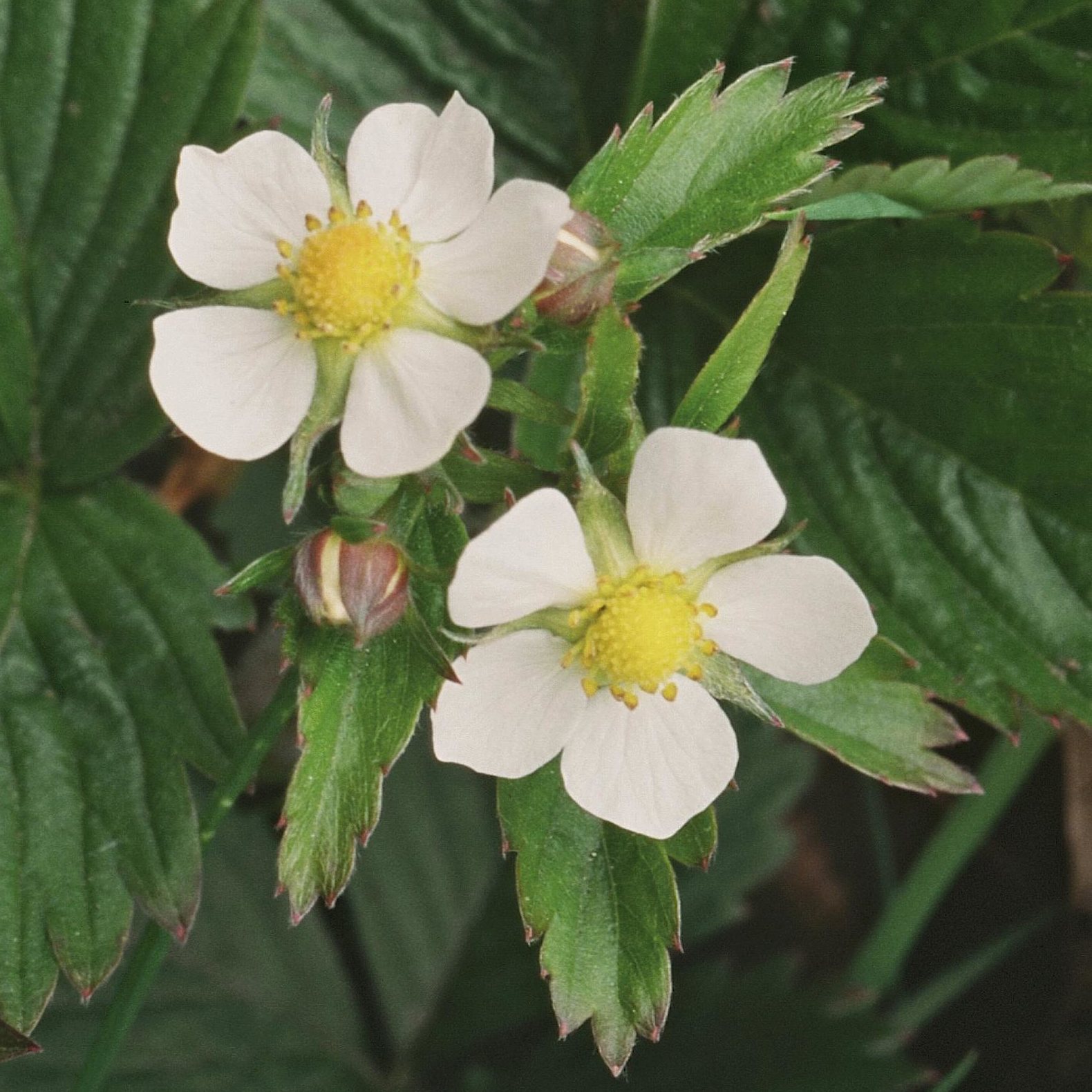
Barren Strawberry
Similar at first glance to Wild Strawberry, the pretty Barren Strawberry can be found flowering earlier, from February through to May. Photo: © Natural England/Peter Wakely
-
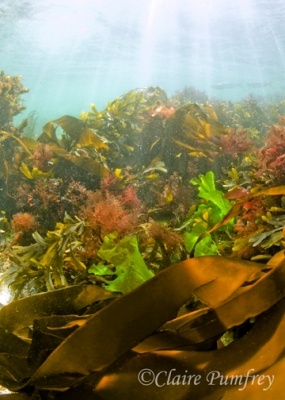
Seaweed, what do you know?
Have you ever eaten, drank or bathed in seaweed? You might not think so but the chances are you have done all three. Seaweed is surrounded by a stigma founded on that nauseous smell clouding every beach you visited in your childhood. What I hope to show you is that seaweed can be both beautiful…
-

Leptothrix
No, it’s not a miniature oil slick. That oily film on the surface of puddles on The Lizard is an iron-oxidizing bacterium. Photo: Amanda Scott
-
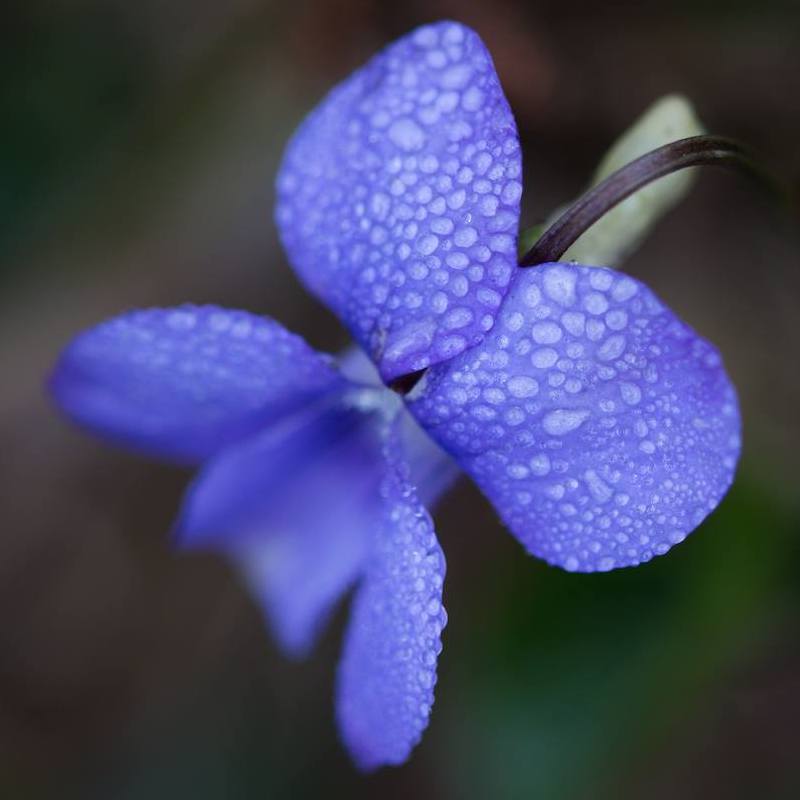
Common Dog-violet
Not the prettiest name for a very pretty flower…Common Dog-violets start to bloom in early Spring, with a second flush in late Summer. Photo: Amanda Scott
-
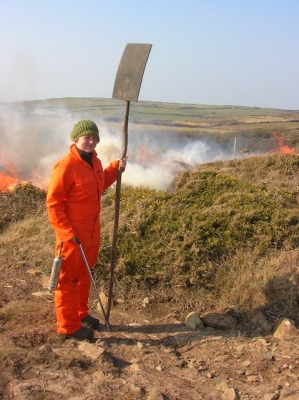
‘Swailing’ – where there’s smoke there’s a reason
Those of you who are regular watchers of the sky may have noticed in the last few weeks that it changed from its more traditional winter colour of battleship grey to something approaching a pleasing shade of blue. Yet, at this time of year, cometh the blue sky, cometh the smoke as farmers and conservationists…
-

Sandwich Tern
Lizard Point is a great place for spotting migrant birds, such as Sandwich Terns, as they head to their breeding grounds. Photo: © Natural England/Allan Drewitt
-
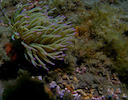
Snakelocks Anemone
Snakelocks Anemones are mainly found in rockpools at the low tide mark on the shore. Photo: ©Natural England/Ross Bullimore
-
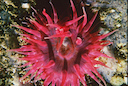
Dahlia Anemone
Dahlia Anemones are a common rockpool find on the lower shore. Photo: ©Natural England/F Dipper
-
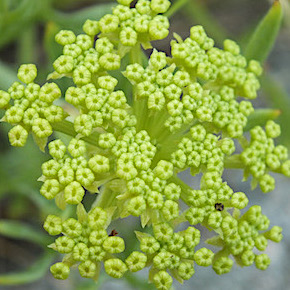
Rock Samphire
The yellow-green flowers of Rock Samphire brighten the coastline through the summer months. Photo: Amanda Scott
-
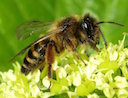
Yellow-legged Mining Bee
The first flight period of the Yellow-legged Mining Bee is in the spring, when you can spot them nectaring on flowers. You can also look out for their nests in exposed soil, looking like tiny drilled holes. Photo: Andy Pay
-
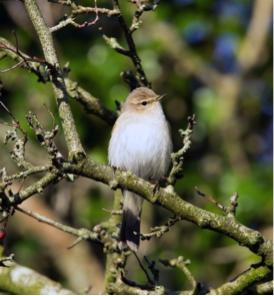
Where to find birds on The Lizard in late winter/early spring
First published on the website in 2016, this article by Dougy Wright (Warden of Windmill Farm Nature Reserve) explains where best to go on The Lizard to see birds in the later winter and early spring. As with much of the natural world, birds are starting to come to life, as winter slowly eases into…
Got any book recommendations?