
Mindblown: a blog about philosophy.
-

Scurvygrass – Lizard Connections
Well April 1st seems a perfect day to get our bodies out of winter torpor, clean off the walking boots and head off to the promised- land that we all know as The Lizard. It is probably a good time to coax our brains back into action as well so I thought that we should…
-

Windmill Farm Nature Reserve
The nature reserve was purchased in 2001 with a grant from the Heritage Lottery Fund and over the last 14 years the owners, Cornwall Wildlife Trust and Cornwall Bird Watching and Preservation Society, have worked along side partners to enhance and restore habitats for the benefit of rare and important wildlife. This work has created…
-
Lizard Horizons Project – further information
Archaeological interestMost of the nature reserve (80%) lies within an Area of Great Historic Value (AGHV) and the windmill tower itself is a Scheduled Ancient Monument and Grade II Listed Building. It is one of only five surviving windmill towers in Cornwall. A Bronze Age barrow close to the windmill is one of…
-
.Lizard Horizons – The Landewenack Windmill Conservation & Environmental Education Project
Supported by: CBWPS Lizard Horizons Project Windmill Farm nature reserve on the Lizard is jointly owned by Cornwall Wildlife Trust and Cornwall Bird Watching and Preservation Society. The Lizard Horizons Project is funded by Heritage Lottery Fund and SITA Cornwall Trust and although some preliminary (scrub clearance) work has started, the majority…
-
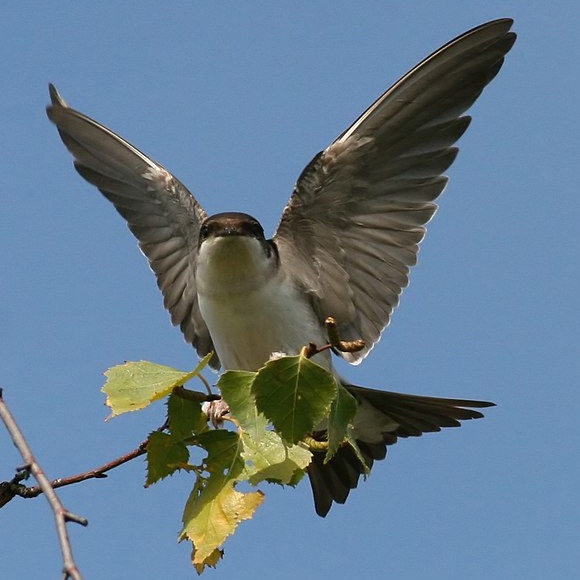
House Martin
House Martins arrive back in the UK in the spring. Photo: Ken Billington
-
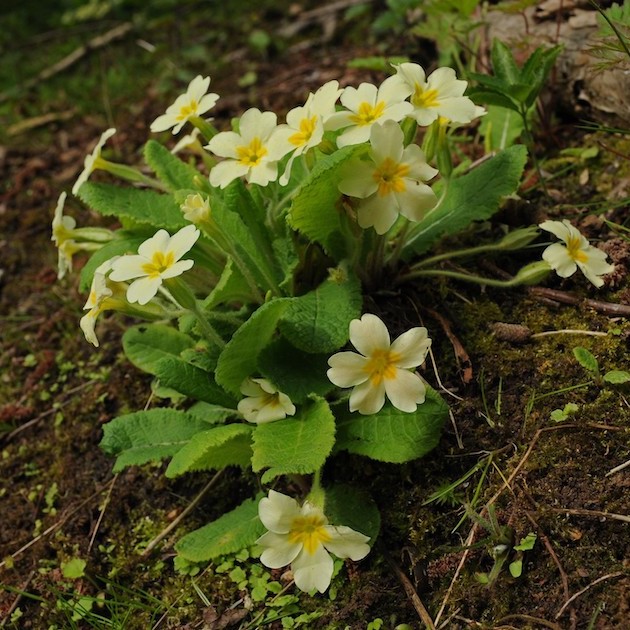
Primrose
It must be spring when there are primroses. Photo: © Natural England/Peter Roworth
-

Trelill Holy Well
A team of experts with a variety of expertise largely disconnected from the restoration of holy wells and mostly, though not exclusively, members of the Meneage Archaeological Group (MAG) assembled on occasions during the last three years in a boggy corner of a field at Trelill Farm. It seems an odd place to house a…
-

Coal Tit
Look out for Coal Tits in conifer and mixed woodlands. Photo: © Natural England/Allan Drewitt
-

Mediterranean Gull
Some Mediterranean Gulls overwinter round the Lizard coast, before returning to their summer breeding grounds. Photo: © Allan Drewitt/Natural England
-
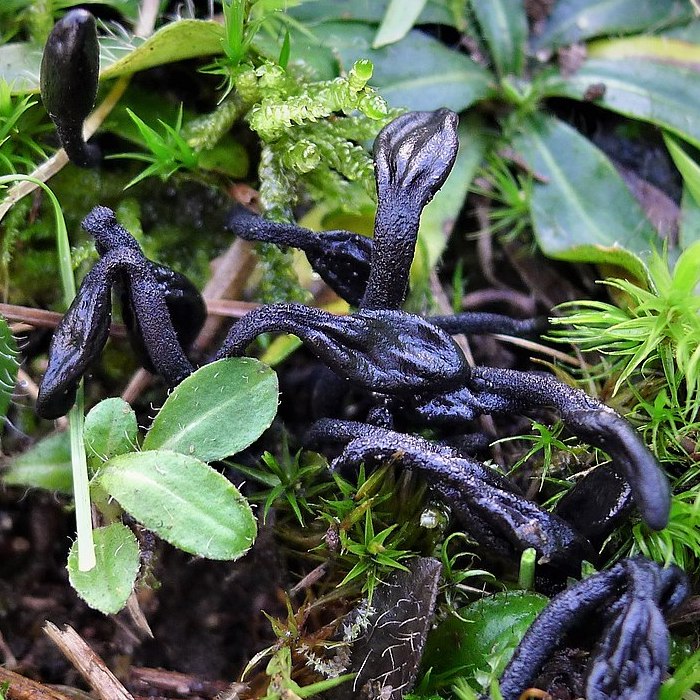
Earthtongues
There are nine species of Earthtongues in the UK. Often overlooked, they are an important indicator of ancient unimproved grassland. Photo: gailhampshire, CC BY 2.0, via Wikimedia Commons
-

Goldfinch
Who doesn’t love a Goldfinch? Photo: © Natural England/Allan Drewitt
-

Herring Gull
Did you know the Herring Gull is a red-listed species in the UK? Photo: © Natural England/Julian Dowse
-

Great Spotted Woodpecker
Great Spotted Woodpeckers often turn up at the birdfeeder at the Natural England offices on The Lizard. Photo: © Natural England/Allan Drewitt
-
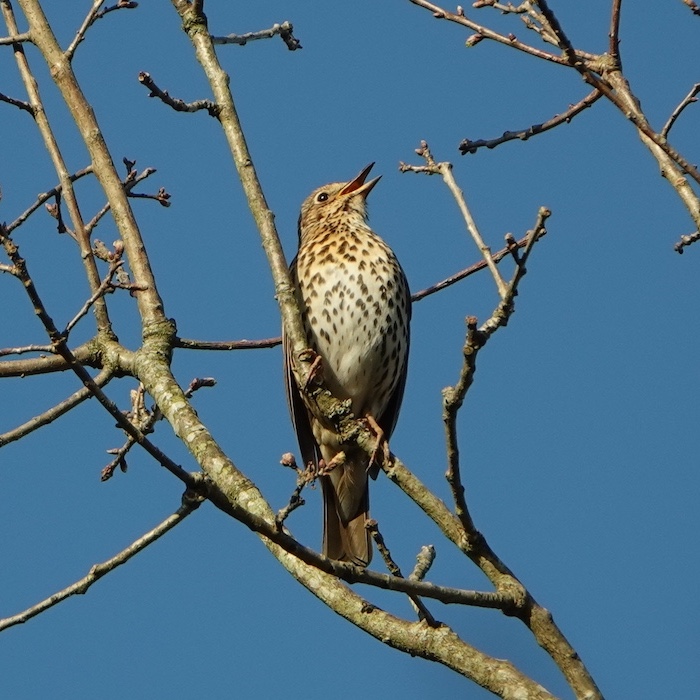
Song Thrush
Song Thrushes are among the first birds to start singing in the earliest days of spring, but don’t be surprised if you hear one in mid-winter. Photo: Amanda Scott
-
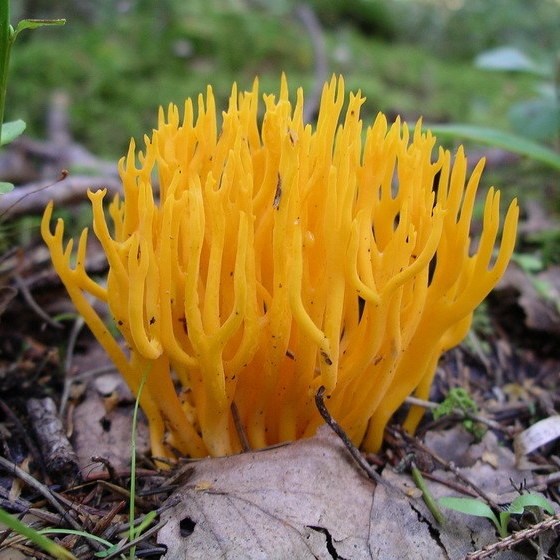
Yellow Stagshorn
It’s easy to see how this fungus got its name. It is most commonly seen from summer to autumn. Photo: Nomeda Vėlavičienė, CC BY-SA 3.0, via Wikimedia Commons
-
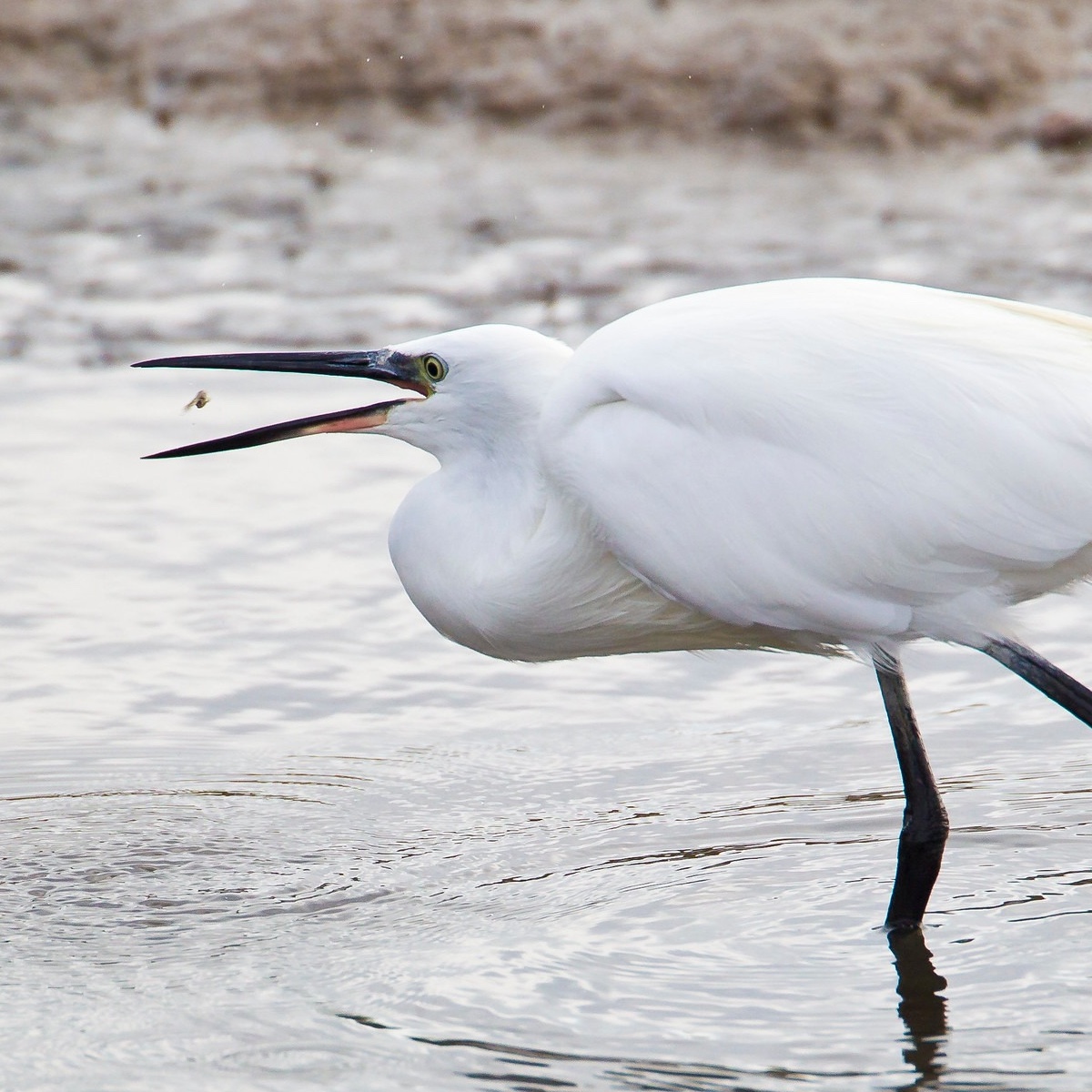
Little Egret
Look for Little Egrets in the creeks of the Helford. Photo: © Natural England/Allan Drewitt
Got any book recommendations?