
Mindblown: a blog about philosophy.
-
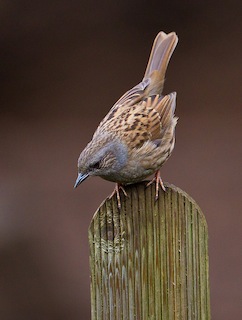
Dunnock
The Dunnock is an unassuming small brown bird, easily confused with but unrelated to the Sparrow. Watch out for it sidling about in the undergrowth. Photo: © Natural England/Allan Drewitt
-

Buzzard
The Buzzard is the most common bird of prey in the UK.Photo: © Richard Birchett
-
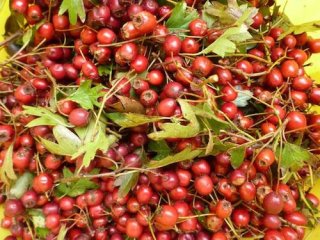
Red Berries Abound
It seems as if there is a peripheral red haze at the edge of my vision at the moment – and though some may say that I have anger management […]
-

Black-headed Gull
Black-headed Gulls form large flocks in the autumn and winter months. Photo: Amanda Scott
-
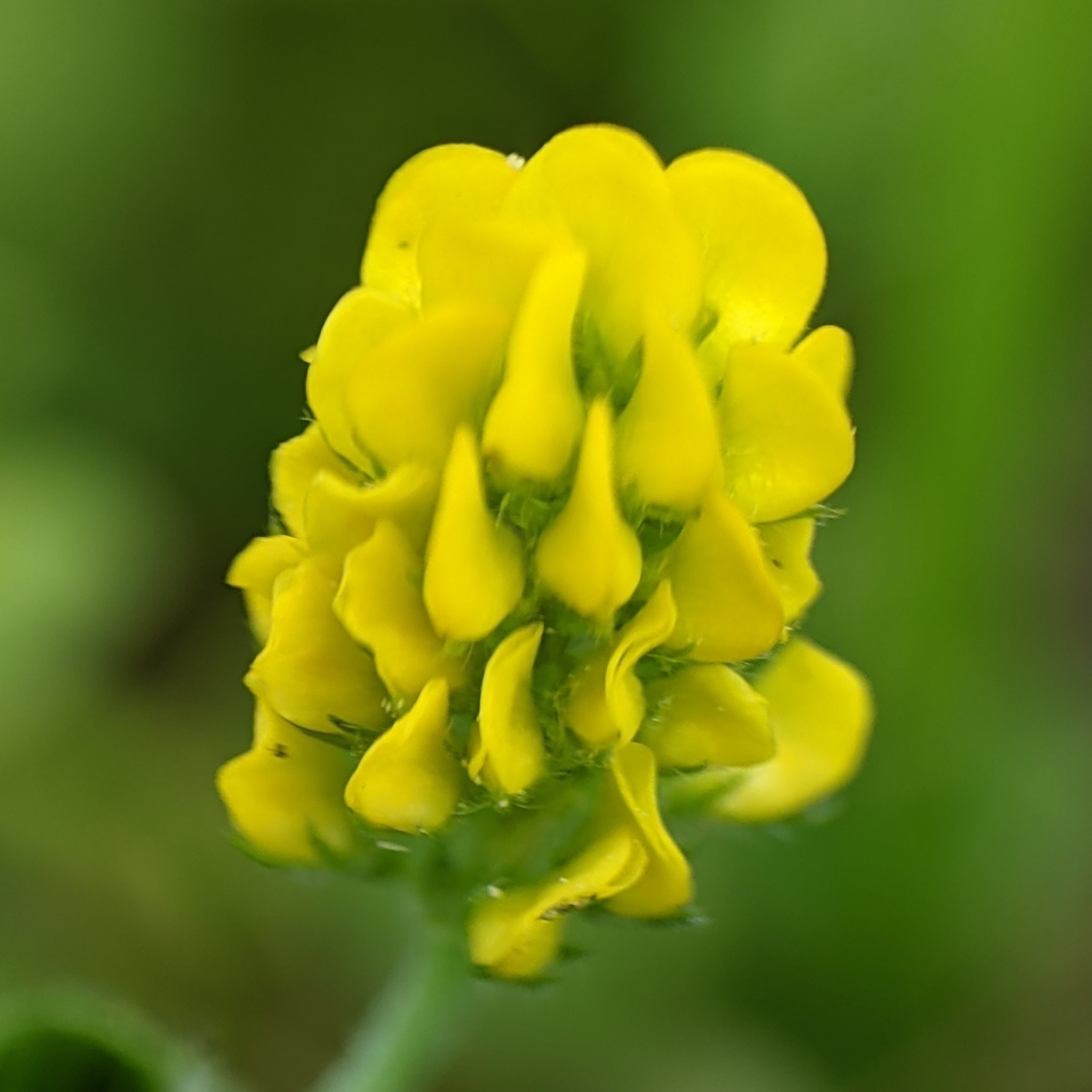
Black Medick
The small flowers of Black Medick are delicately pretty. In the autumn, look out for the distinctive black seedpods that give Black Medick, a cousin to the clovers, its name. […]
-
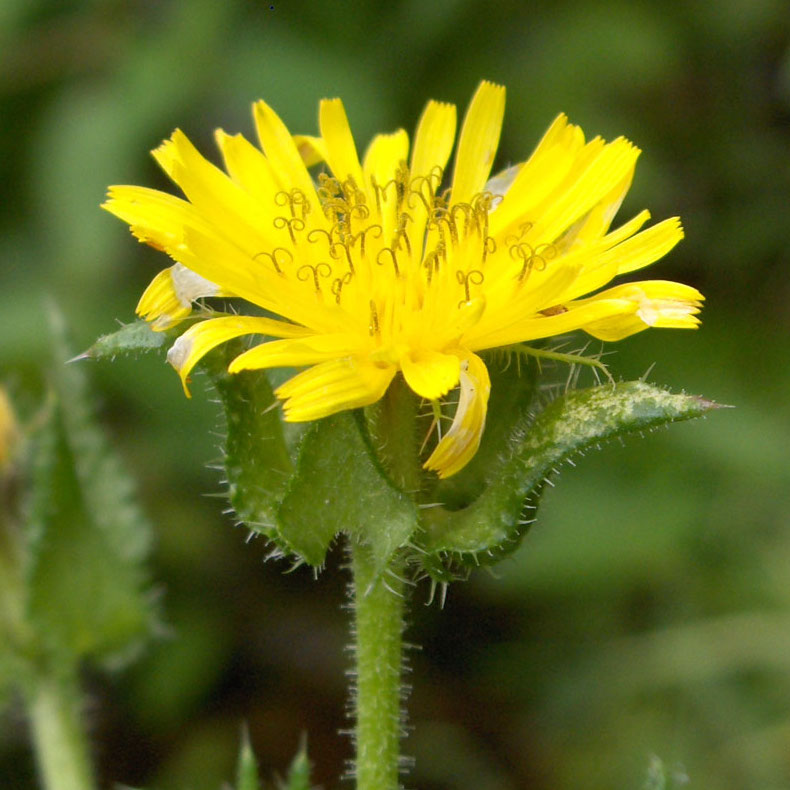
Bristly Oxtongue
It may not be the prettiest of plants, but Bristly Oxtongue, which flowers from June into the autumn, has some impressive spikes on its leaves. Photo: Stemonitis, CC BY-SA 3.0, […]
-
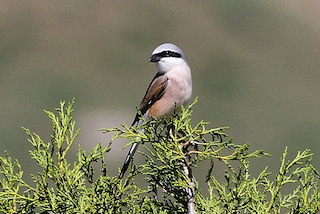
Red-backed Shrike
Now pretty much extinct as a breeding species in the UK, you might spot a Red-backed Shrike on The Lizard during its autumn migration back to Africa. Photo: Ron Knight
-

Robin
While some birds depart The Lizard for warmer climates in the autumn, others stay with us, including the Robin, cheering us up with its song all through the autumn and […]
-
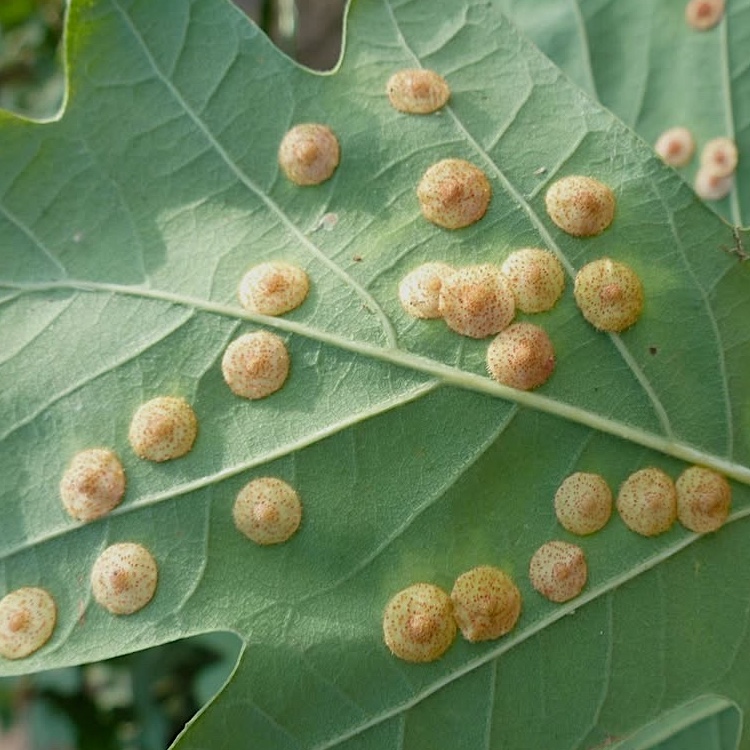
Spangle gall
Spangle Galls, which are created by a parasitic wasp, are one of the many kinds of galls found on oak trees. These were spotted at Croft Noweth on Goonhilly. Photo: […]
-
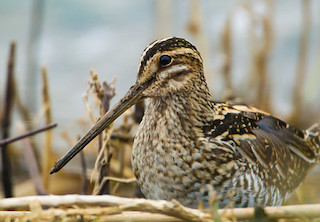
Snipe
It may be a relatively common wader, but the shy Snipe can be hard to spot. Watch out for it round well-vegetated pool edges on The Lizard, but you need […]
-

Small is beautiful – return of the elusive Pygmy rush
Once lost it can take a long time for species to come back to a site. It also takes a lot of many people’s efforts and their time to ensure […]
-

Common Darter
The Common Darter is one of our latest-flying dragonflies: it is on the wing from June into October, and even November in warmer autumns. Photo: © Natural England/Paul Lacey
-
Jackdaw
A flock of Jackdaws used to be called a ‘clattering’ – for obvious reasons! Photo: © Natural England/Allan Drewitt
-
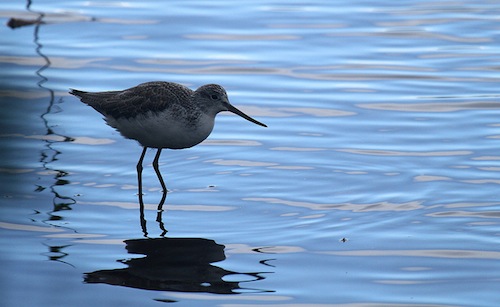
Greenshank
Croft Pascoe Pool on Goonhilly Downs is a great place for spotting migratory and overwintering waders in the autumn, including Greenshanks. Photo: Ilya Maclean
-

Grey Wagtail
Grey Wagtails are found near upland streams in the summer, but move to lowland habitats in the winter. Photo: © Natural England/Allan Drewitt
-

Skylark
In spring and summer, the skies above the heaths and fields of The Lizard are full of the beautiful song of the Skylark. Photo: © Natural England/P. N. Watts
Got any book recommendations?