
Mindblown: a blog about philosophy.
-

Wild Thyme
Wild Thyme is in full bloom on The Lizard in July. Photo: Amanda Scott
-
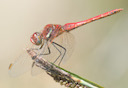
Red-veined Darter
Windmill Farm is a good place to see Red-veined Darters, a relatively scarce summer migrant to the UK. Photo: Dougy Wright
-

Large Skipper
Watch out for Large Skippers from May to September in meadows, and in woodland rides and glades. Photo: © Natural England/Allan Drewitt
-
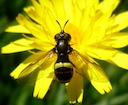
Wasp-mimic hoverfly
The striking wasp-mimic hoverfly Chrysotoxum bicinctum is found in grassy places and more open areas in woodland. Photo: Andy Pay
-
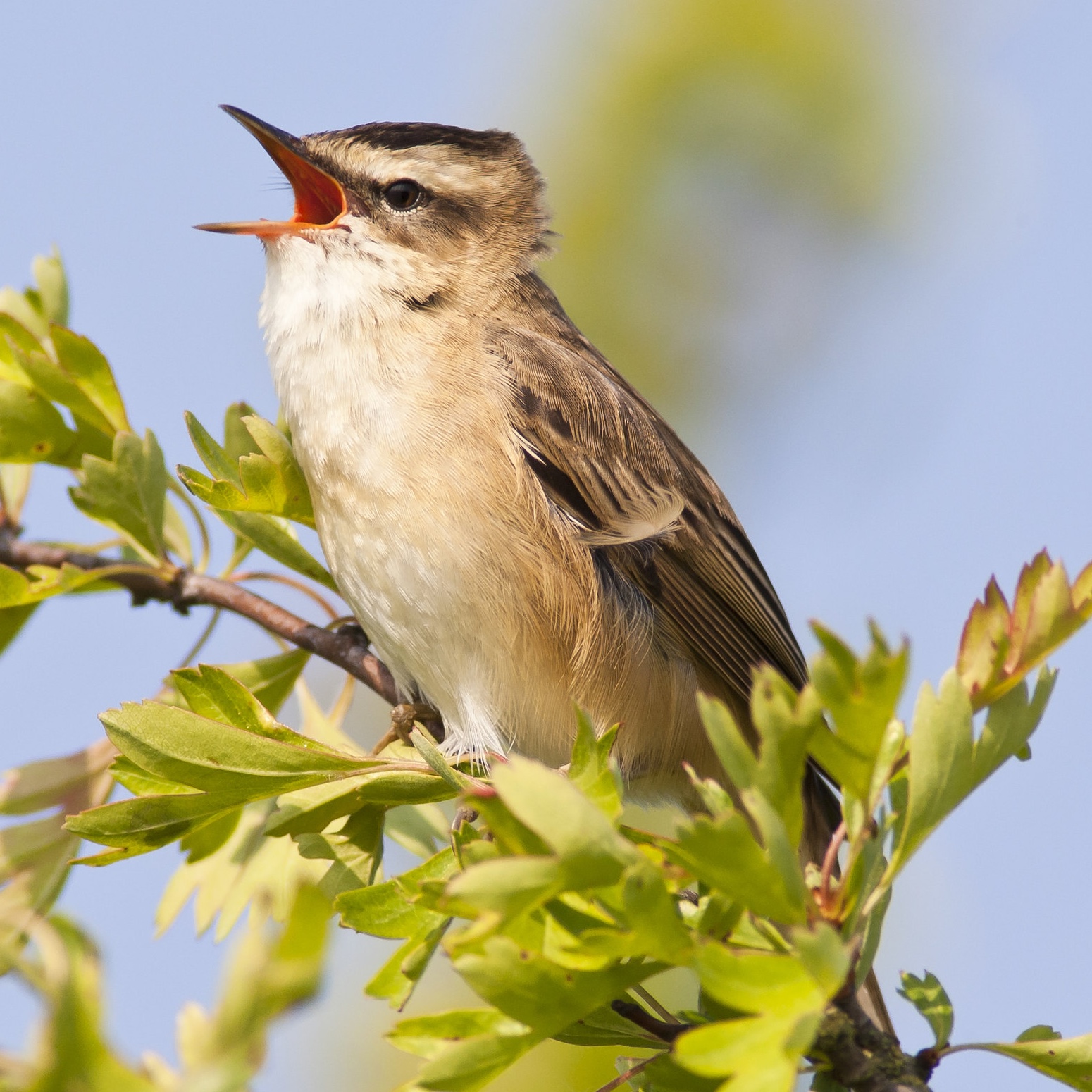
Sedge Warbler
Windmill Farm is a good place to spot Sedge Warblers, summer visitors to Britain from Africa, . Photo: © Natural England/Allan Drewitt
-

Four-spotted Chaser
A common sight in the summer, watch out for the darting, hovering flight of the Four-spotted Chaser dragonfly. Photo: © Natural England/Allan Drewitt
-

Conservation and Wild Food Foraging
As a passionate conservationist, dedicated to protecting the Lizard wildlife, it may seem unusual, indeed downright contradictory, that I am also passionate about foraging for wild food. A few years […]
-
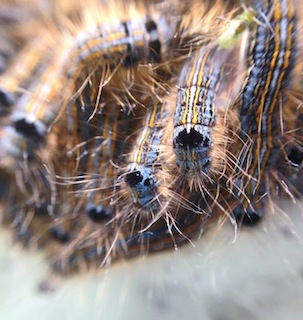
Lackey moth
June is the main time of year to watch out for webs of Lackey moth caterpillars: hawthorn and blackthorn shrubs are good places to look. Photo: Amanda Scott
-

Hottentot-fig
The bright pink and yellow flowers of Hottentot-fig look cheerful on sea cliffs in the summer, but this is an introduced and invasive species. Photo: Phil Sellens (Wikimedia Commons)
-
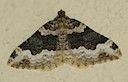
Galium Carpet
Watch out round the coast for the prettily-patterned Galium Carpet moth throughout the summer. Although nocturnal, it can be spotted when disturbed from its daytime resting places. Photo: Leon Truscott
-

Marsh Fritillary
This small and delicate butterfly is a protected species due to its serious decline in numbers, but The Lizard is one of its strongholds. Find them on Mullion Cliffs or […]
-
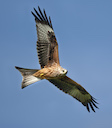
Red Kite
Red Kites are magnificent raptors – watch out for them soaring above the Lizard. Photo: © Richard Birchett
-

Subterranean Clover
Lizard ‘clover season’ is from spring to early summer. One to look out for is the small and unassuming Subterranean Clover, found on shallow soils or amongst short turf close […]
-
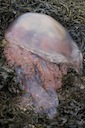
Barrel Jellyfish
In warm summers, large numbers of Barrel Jellyfish, harmless to humans, can be found in the seas round the Lizard. Photo: Ray Surridge
-
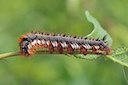
The Drinker
Caterpillars of the Drinker moth can be seen emerging in the spring, getting ready to pupate in June. Look for the tuft of hair at each end. Photo: Charles J […]
-
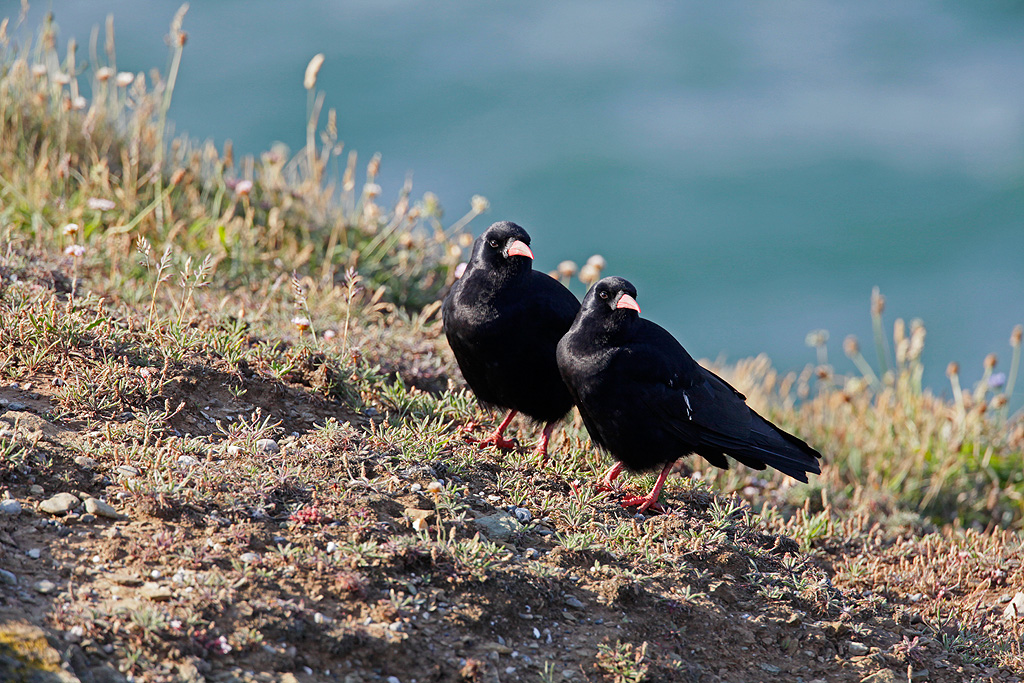
Legacy of the Lizard (article)
You might well remember that, on a magical day in 2001, three red-billed Choughs arrived on the Lizard after being absent from Cornwall for nearly 30 years. This article is […]
Got any book recommendations?