
Mindblown: a blog about philosophy.
-

Wren
The Wren is the most common breeding bird in Britain. Photo: © Natural England/Allan Drewitt
-
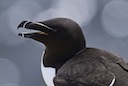
Razorbill
Although the largest Razorbill breeding colonies are in the north of Scotland, breeding pairs can be found in other parts of the UK. Outside the breeding season, they spend their life at sea – you may spot them flying past Lizard Point. Photo: © Natural England/Allan Drewitt
-

Small Tortoiseshell
Small Tortoiseshells usually produce two broods in a year, and so a second-generation of adults emerges in August. Photo: © Natural England/Allan Drewitt
-
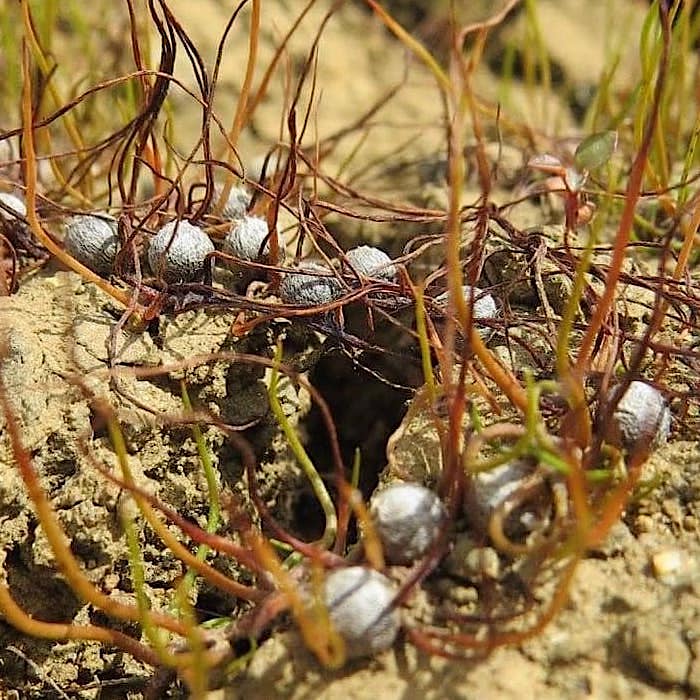
Pillwort
Look out for the rare, small fern Pillwort, which has benefited from conservation work on The Lizard. Ruan Pool on Windmill Farm is a good place to search. Photo: Steve Townsend
-
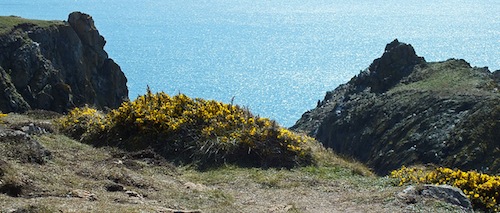
Natural Lizard
There are several words that crop up over and over again in any description of the natural beauty of the Lizard: contrasting, unique, complex, rare, special, diverse…. Browse through these pages and you’ll begin to discover why these glowing terms are so deserved. Each of the links in the text below takes you to a…
-
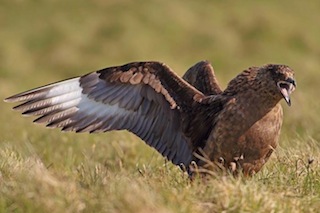
Great Skua
Great Skuas breed far to the north, but keep an eye out for them at sea as they migrate south in the late summer. Photo (of bird at breeding grounds on Shetland): Amanda Scott
-

Curlew
Watch out for Curlews in July and August as they start to move to the coast. Photo: Amanda Scott
-
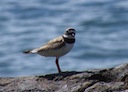
Ringed Plover
The Helford Estuary is a good place to spot Ringed Plover. Photo: Ray Surridge
-
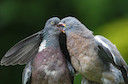
Woodpigeon
One of our more common bird species, the Woodpigeon is a familiar bird of woods, parks and gardens. Photo: © Natural England/Allan Drewitt
-

Sea-holly
Insect pollinators love the spiky blue flowers of Sea-holly. Loe Bar is a wonderful place to spot this lovely plant. Photo: Amanda Scott
-

Common Blue
The Common Blue is one of the butterflies counted annually in Butterfly Conservation’s Big Butterfly Count. Photo: Dougy Wright
-

Harebell
Nodding Harebell flowers start to blossom on the Lizard from July, taking over from Sheep’s-bit as it begins to fade. Photo: janetgraham84new, CC BY 2.0, via Wikimedia Commons
-
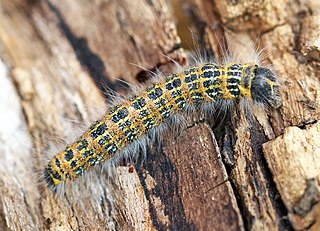
Buff-tip
Adult Buff-tips may be experts at disguise, but the brightly coloured caterpillars can’t be missed. Photo: Ben Sale
-
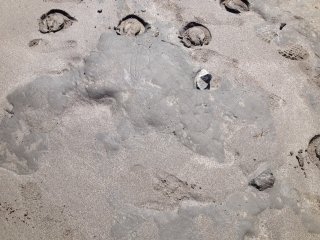
The rocky shores of Kennack Sands
A recent search for a suitable site to go rockpooling on The Lizard peninsula led two Natural England marine staff to Kennack Sands on a sunny blustery day in mid April. One of the first things we noticed was the expanse of exposed clay on the beach, following the offshore movement of much of the…
-
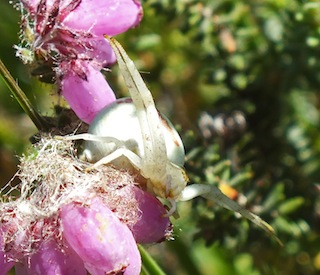
Flower Crab Spider
Look on flowerheads in the summer to see if you can spot a female Crab Spider – the camouflage is very good, so you’ll need to search carefully. Photo: Amanda Scott
-
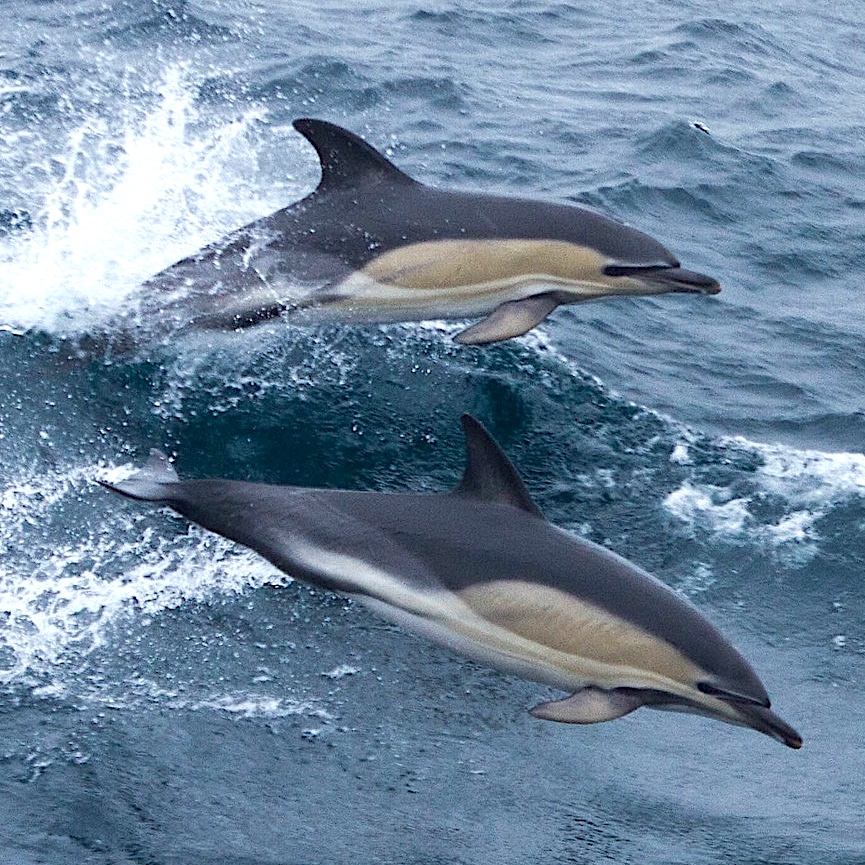
Common Dolphin
Watch out for schools of splashing and leaping Common Dolphins round The Lizard. Photo: © Natural England / Rebecca Walker
Got any book recommendations?