
Tag: Cornwall
-
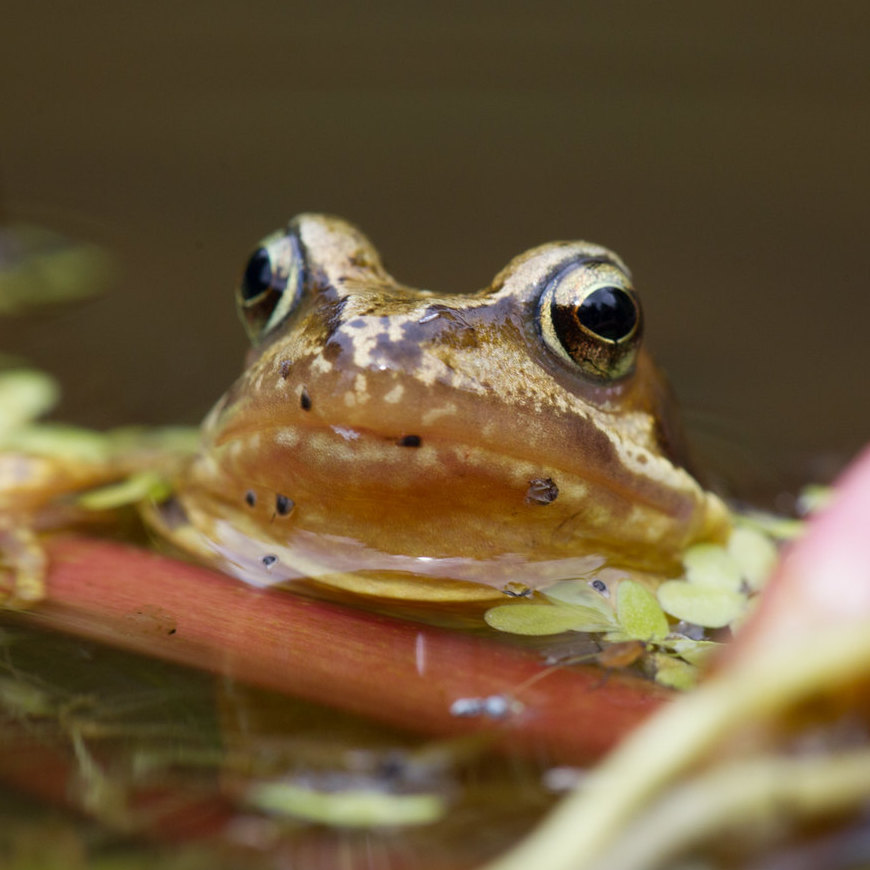
Common Frog
Frogspawn is usually seen very early in the Spring on the Lizard, often as early as January, in pools and even in waterlogged ruts on tracks. Photo: © Natural England/Allan Drewitt
-
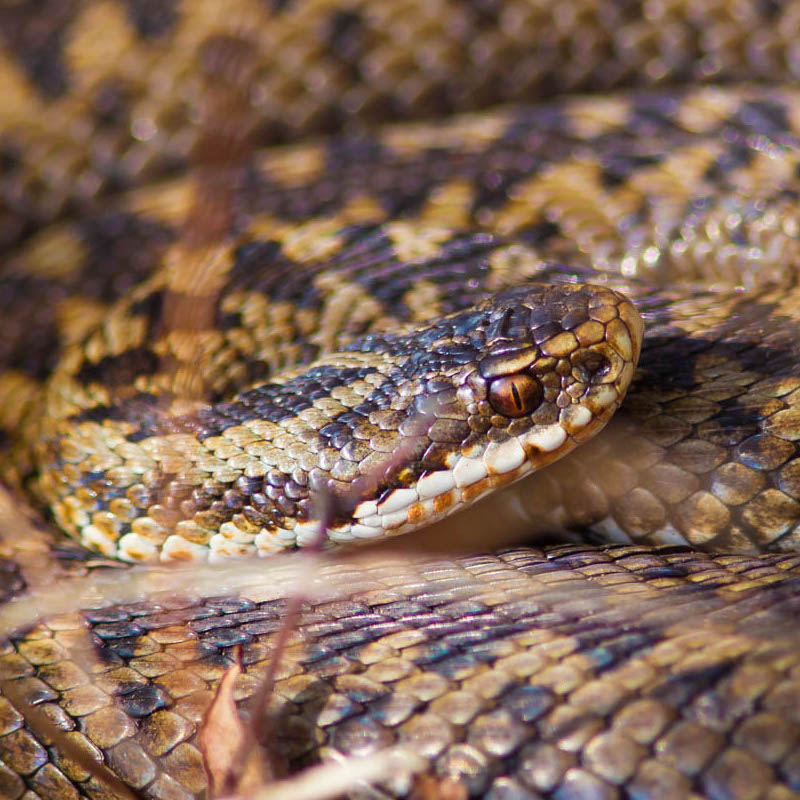
Adder
Adders can be spotted as the weather begins to get warmer and they emerge from hibernation. Photo: © Natural England/Allan Drewitt
-

Green-winged Orchid
Predannack or Windmill Farm are good places to look for Green-winged Orchids. Photo: Steve Townsend
-

Spring Squill
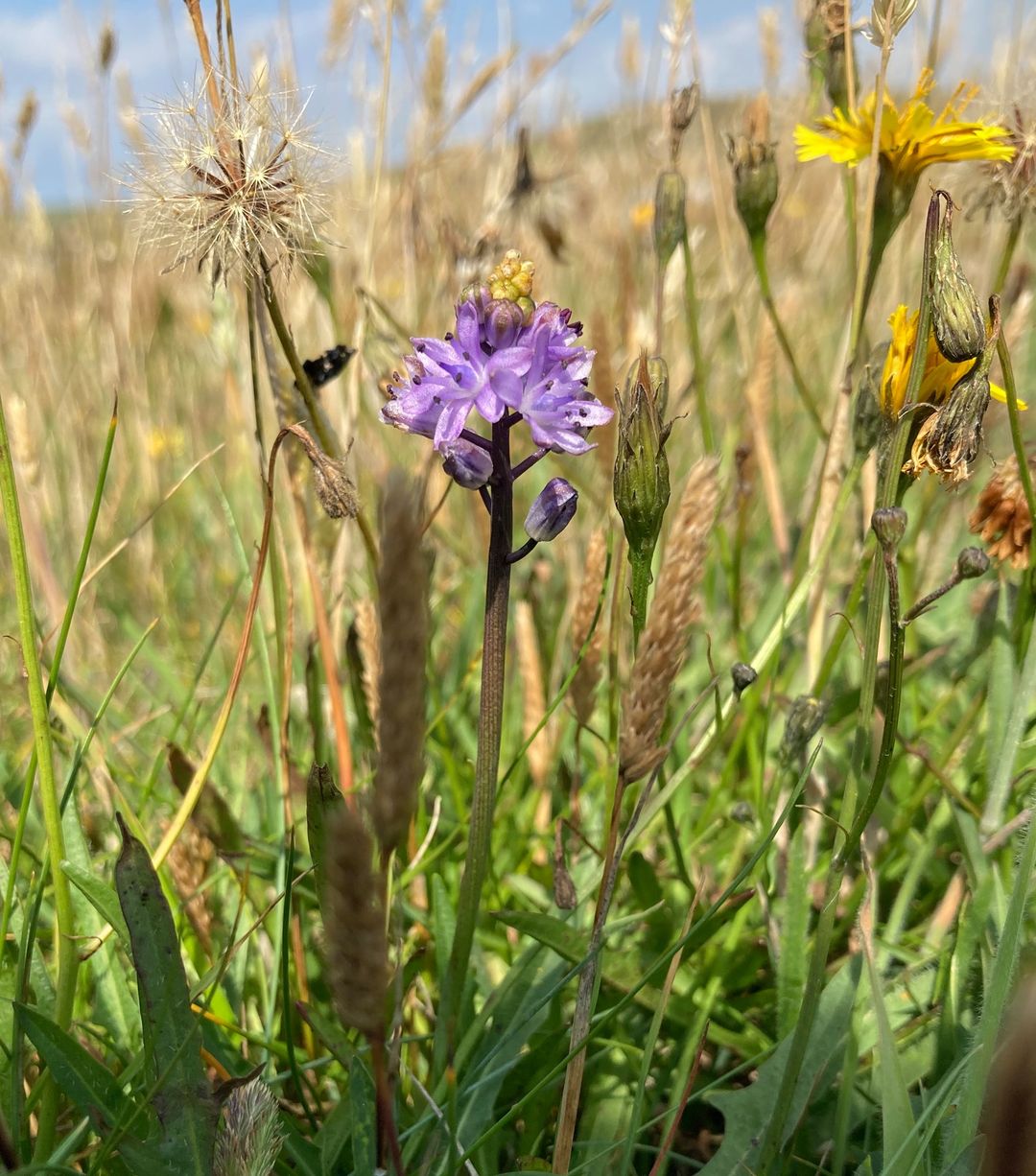
Spring Squill can be found flowering on the coast from April to May. Photo: Steve Townsend
-

Alexanders
Alexanders are among the first umbellifers to grace the verges and hedges of The Lizard in spring. Photo: Amanda Scott
-
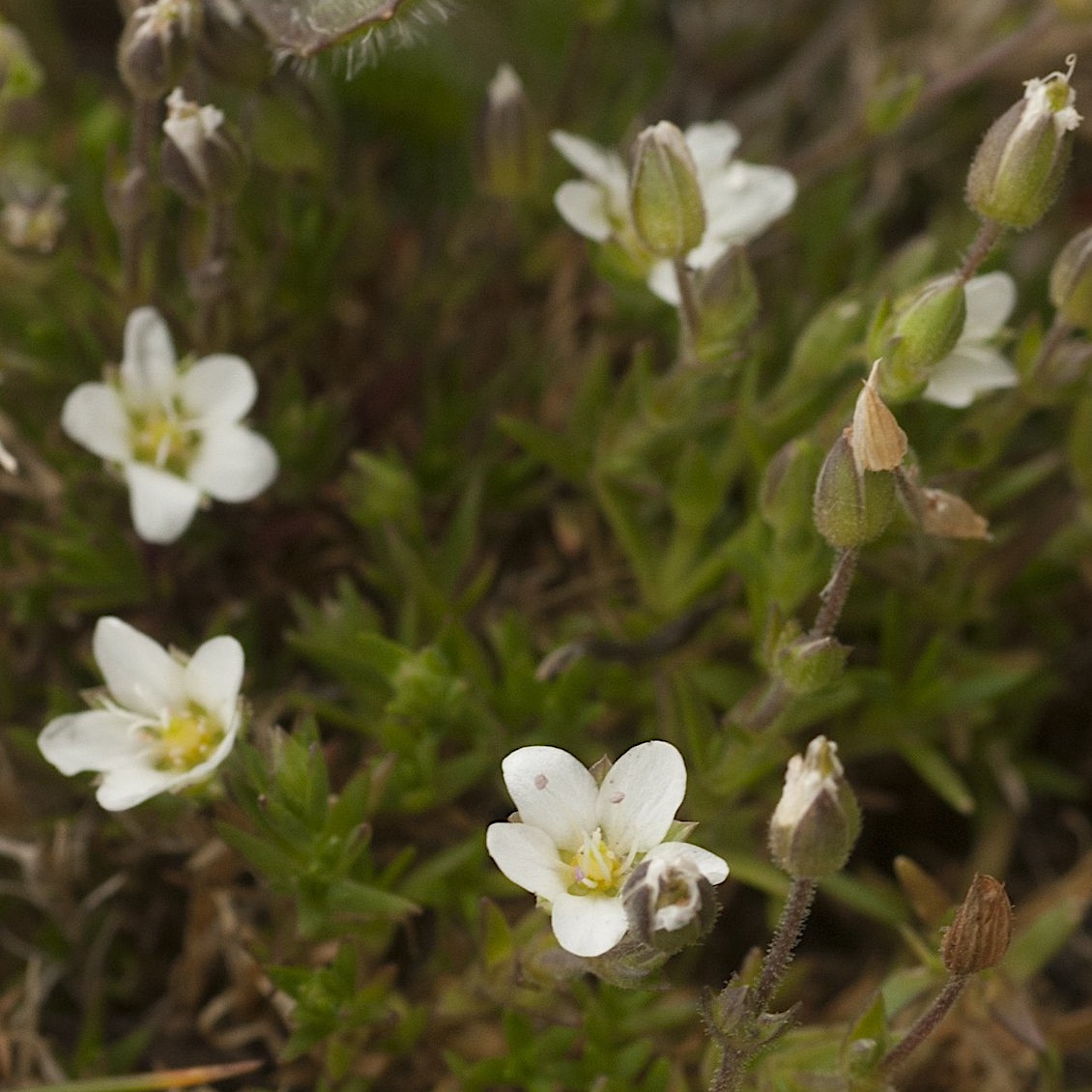
Spring Sandwort
Spring Sandwort flowers from May to September – try Caerthillian or Kynance for good places to find it. Photo: © Natural England/Neil Pike
-

Blackthorn
Blackthorn flowers blossom before their leaves, appearing in glorious masses in the hedgerows, in April into May. Photo: Amanda Scott
-
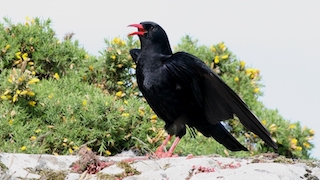
Chough
Choughs have been breeding on The Lizard for many years now. Photo: © Dean Pollard
-
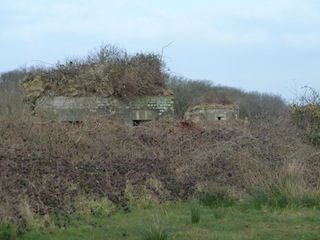
World War II discoveries at Windmill Farm
In this short article, originally published as a blog post on our website back in April 2013, Nick Marriott of the Cornwall Wildlife Trust describes the discovery of some pill boxes: archaeology from World War II. World War II discoveries at Windmill Farm Nature Reserve We knew Windmill Farm Nature Reserve had World War II…
-
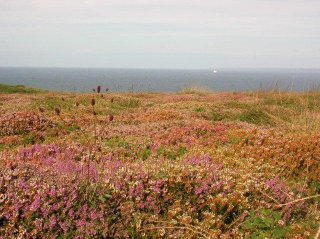
Habitats of The Lizard
This article is an extract from Classic British Wildlife Sites –The Lizard Peninsula by Andrew Byfield in British Wildlife, 3 (2), pp. 92–105 (1991). Travelling from north to south across the Peninsula one is immediately struck by the flat treeless nature of much of the landscape. The flatness is testimony to the force of wave action…
-
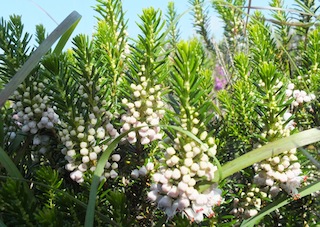
Wonderfully rich botanically
This article is an extract from Classic British Wildlife Sites –The Lizard Peninsula by Andrew Byfield in British Wildlife, 3 (2), pp. 92–105 (1991). So Why is The Lizard so wonderfully rich botanically? As long ago as 1848 the eminent botanist the Rev C A Johns commented `to the sharp eyed botanist I firmly believe that…
-
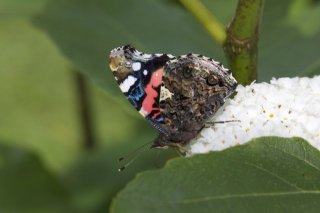
Butterflies on The Lizard
As ever with butterfly spotting the likelihood of finding a good diversity and number on the wing depends on the weather on the day, and the weather in preceeding weeks, months and years. There is plenty of protected wide open flower filled space on The Lizard, so given the right conditions numbers of some species…
-
A short history of botanical discovery on The Lizard
This article is an extract from Classic British Wildlife Sites – The Lizard Peninsula by Andrew Byfield in British Wildlife, 3 (2), pp. 92–105 (1991). When the eminent Cambridge botanist, John Ray, recorded ‘Juniper or Firre-leaved heath (Erica vagans), with many flower, by the way-side going from Helston to Lizard point in Cornwall, plentifully’ [sic.] in 1667,…
-
A heathland haven
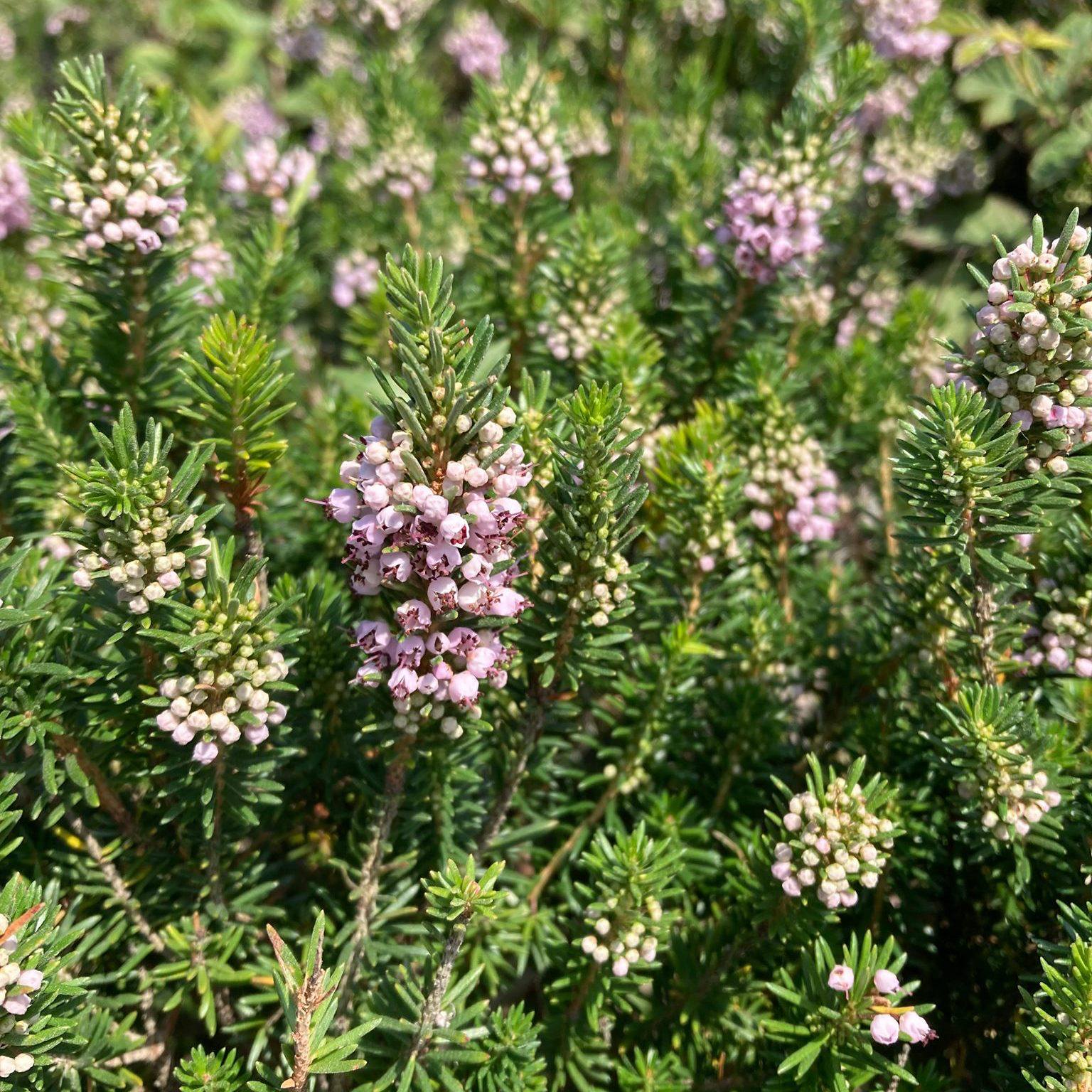
The Lizard Peninsula is remarkable for its wealth of wildlife and the quality of its landscape. It is a designated Special Area of Conservation in recognition of its outstanding international importance. The expansive heathlands are perhaps the most obvious and most significant part of the mosaic. Open heathland is actually rarer than rainforest! In the…