
Tag: Cornwall
-
History in the landscape
Wild it may be, but humans have played their part in creating the heathland landscapes of The Lizard, from prehistory to the Second World War buildings of Goonhilly Downs and present-day sustainable farming and grazing practices. The land has been shaped by people, and they have left traces of their passing on the land. On…
-
Birds and other animals
The Lizard is a special place for birdwatchers. There are many resident species to see – from the iconic red-legged, red-billed Chough to soaring Skylarks. The Lizard’s southerly location on the mainland also means that passage migrants pass overhead in autumn and spring, many stopping off before the embarking on the next stage of their…
-

Blackcap
We are more used to seeing Blackcaps in the summer months, but increasing numbers now overwinter in the UK. Photo: Ron Knight (via Wikimedia Commons)
-
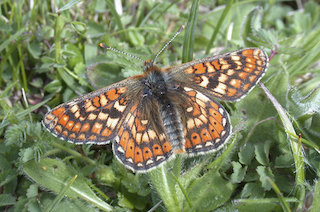
Conserving Marsh Fritillaries on The Lizard
The Lizard is home to one of the UK’s rarest butterflies: the beautiful Marsh Fritillary. Sadly, habitat destruction and agricultural intensification have, over the years, had serious consequences for the Marsh Fritillary (Euphydryas aurinia), which was once far more widespread nationally. The Lizard is one of its remaining strongholds, and much conservation effort is being…
-
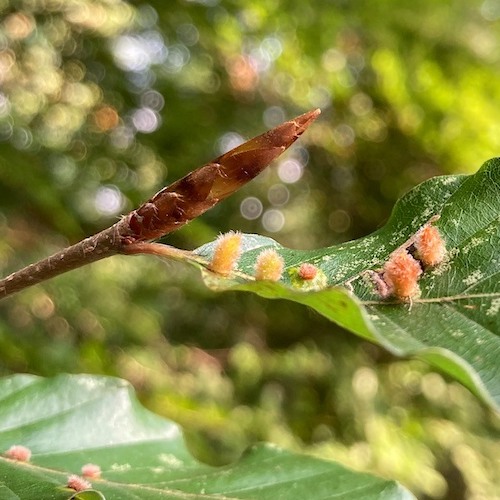
Hairy Beech Gall
Hairy Beech Galls, induced by a parasitic gall-midge, are one of the galls found on our native Beech trees. Head to our section on invertebrates to find out more. Photo: Amanda Scott
-
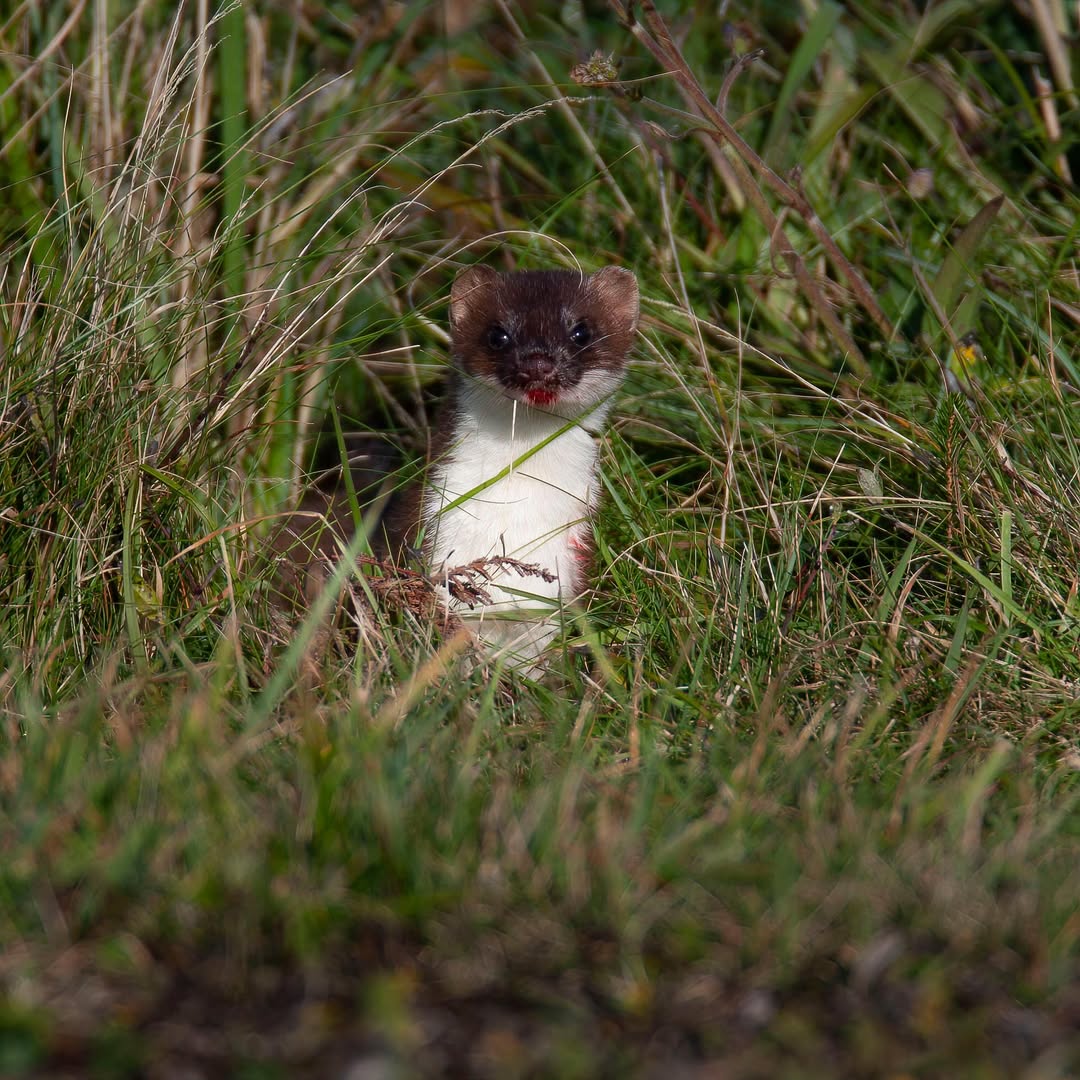
Stoat
Windmill Farm is a good place to see Stoats. Photo: Richard Birchett
-

Mistle Thrush
This Mistle Thrush found itself some tasty rowan berries near Gweek. Photo: © Richard Birchett
-

Carrion Crow
Carrion Crows can be seen throughout the year. All too often maligned in popular culture, these are amazing and intelligent birds. Photo: © Natural England/Julian Dowse
-
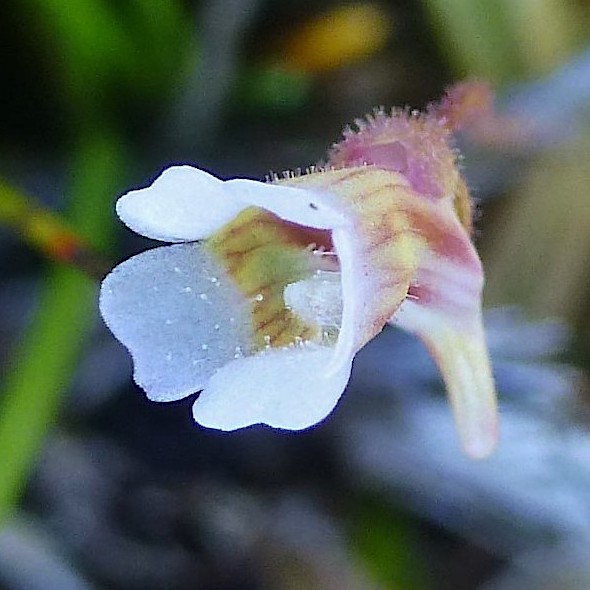
Pale Butterwort
A paler, smaller version of Common Butterwort, the Pale Butterwort is harder to find, but worth the search. Crousa Downs is a good place to look. Photo: Kate Dalziel
-

Hobby
Hobbies fly with such agility and speed, they can even snatch swallows and swifts on the wing. Photo: Lilly M, CC BY-SA 3.0, via Wikimedia Commons
-

Ring Ouzel
This member of the thrush family is easily mistaken at a distance for its cousin, the Blackbird, but a closer look gives the game away. A passage migrant across The Lizard, you may be fortunate and spot one in spring or autumn. Photo: © Natural England/Peter Roworth
-

Cinnabar
Cinnabar moths are on the wing from mid-May to early August, and their yellow and black banded caterpillars munch on Ragwort through the summer. Photo: Amanda Scott
-

Merlin
The Merlin is our smallest bird of prey, but it makes up for its size with lots of grit and steely determination. Photo: © Richard Birchett
-
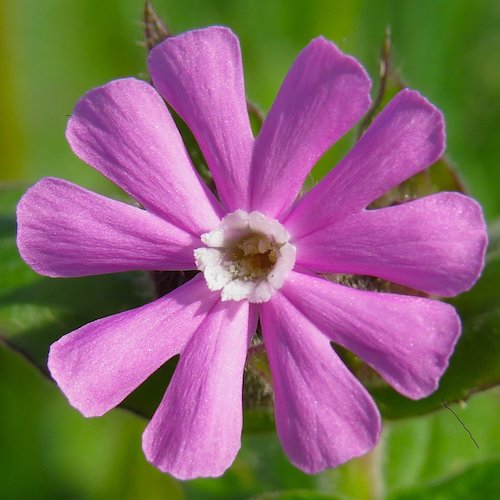
Red Campion
Red Campion is at its most vibrant from the spring into summer. Find it in woodland edges, hedgerows and roadside verges. Photo: Steve Townsend
-
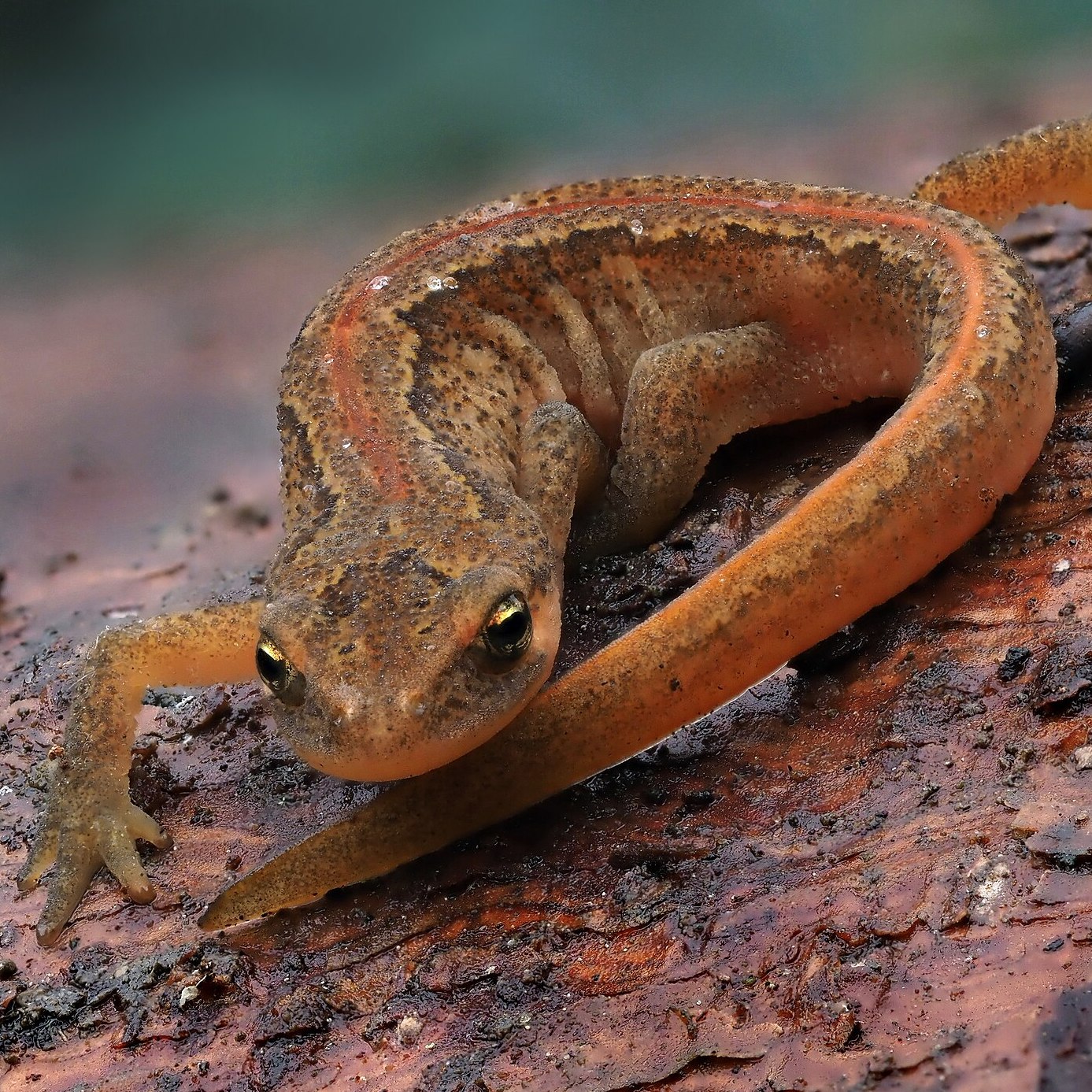
Palmate Newt
For those of you with garden ponds, keep an eye out for Palmate Newts enjoying the water in spring. Photo: Frank Vassen from Brussels, Belgium, CC BY 2.0, via Wikimedia Commons