
Author: Amanda Scott
-
Funding received for the National Trust’s Lizard Rarities Project
The Lizard is one of the most biodiverse areas in the country, renowned for unique assemblages of vascular plants, bryophytes and lichens – many of which are confined to the […]
-
Back to the future: restoring threatened metapopulations on the Lizard Peninsula
Species Recovery Programme 2023/2024 The Natural England National Nature Reserve (NNR) team on The Lizard in Cornwall have been successful in securing £216k of Species Recovery Programme funding to support […]
-
The story of The Lizard’s Choughs
Choughs are among the most iconic birds of The Lizard. Locals and visitors alike love to see them, feeding in the short turf of the coast or soaring in the […]
-

Nightjar
Summer visitors to the UK, the churring call of the male nightjar is an iconic sound of warm heathland evenings. Photo: © Natural England/Allan Drewitt
-
Flora of The Lizard in summer
A small selection of some of the wonderful plants you are likely to spot in the summer in some of the different habitats across The Lizard.
-
History in the landscape
Wild it may be, but humans have played their part in creating the heathland landscapes of The Lizard, from prehistory to the Second World War buildings of Goonhilly Downs and […]
-
Birds and other animals
The Lizard is a special place for birdwatchers. There are many resident species to see – from the iconic red-legged, red-billed Chough to soaring Skylarks. The Lizard’s southerly location on […]
-
Botanical riches
The Lizard is one of the most botanically biodiverse regions in the UK. Why? Well, to a large part because The Lizard has a unique geology. Large areas comprise a […]
-

Blackcap
We are more used to seeing Blackcaps in the summer months, but increasing numbers now overwinter in the UK. Photo: Ron Knight (via Wikimedia Commons)
-
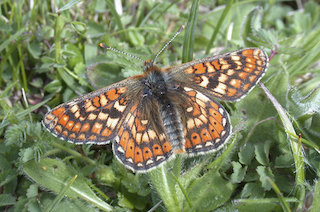
Conserving Marsh Fritillaries on The Lizard
The Lizard is home to one of the UK’s rarest butterflies: the beautiful Marsh Fritillary. Sadly, habitat destruction and agricultural intensification have, over the years, had serious consequences for the […]
-
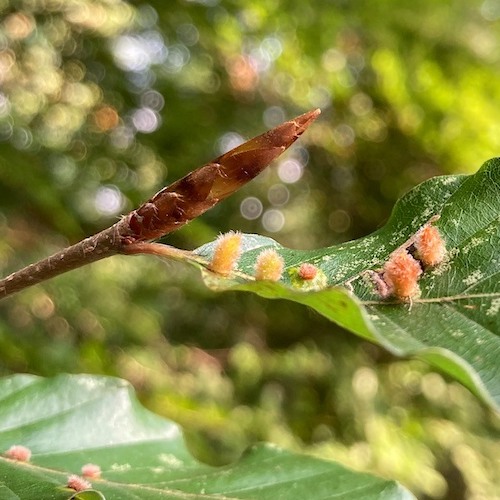
Hairy Beech Gall
Hairy Beech Galls, induced by a parasitic gall-midge, are one of the galls found on our native Beech trees. Head to our section on invertebrates to find out more. Photo: […]
-
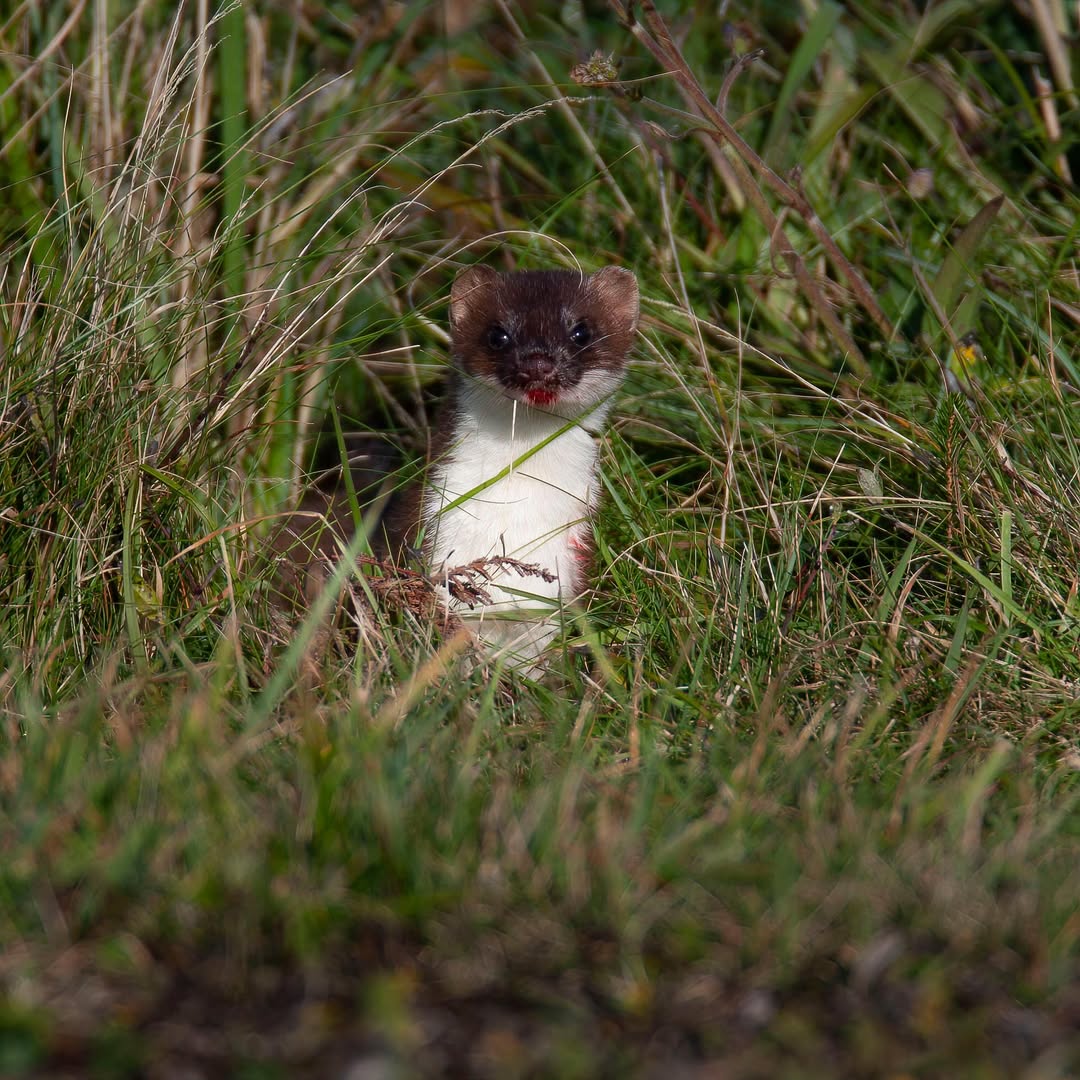
Stoat
Windmill Farm is a good place to see Stoats. Photo: Richard Birchett
-
Hairy Beech Gall
In late summer into autumn, you may see small cylindrical growths on Beech leaves. These are made by the gall midge Hartigiola annulipes. Look out for them when exploring the […]
-
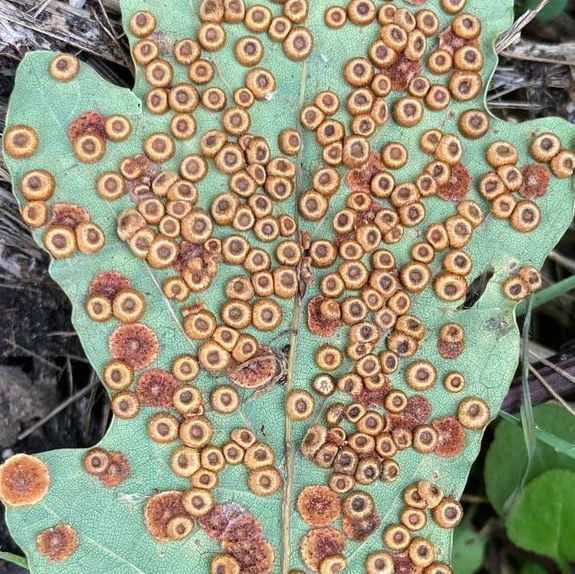
Silk Button Gall
Silk Button Galls, induced by a parasitic wasp, are one of the many kinds of galls found on our native oak trees. Head to our section on invertebrates to find […]
-

Carrion Crow
Carrion Crows can be seen throughout the year. All too often maligned in popular culture, these are amazing and intelligent birds. Photo: © Natural England/Julian Dowse