
Author: Amanda Scott
-

Hedgehog
Hedgehogs are not numerous on The Lizard, but keep an eye out on those late evening strolls from spring to autumn. Photo: © Amanda Scott
-

Shag
This Shag was spotted building its nest at Lizard Point. Photo: © Richard Birchett
-

Great Black-backed Gull
In winter, Great Black-backed Gulls will often venture inland to hunt for food: look out for them near inland pools or scavenging at disposal sites.Photo: Charles J. Sharp, CC BY-SA 4.0, via Wikimedia Commons
-
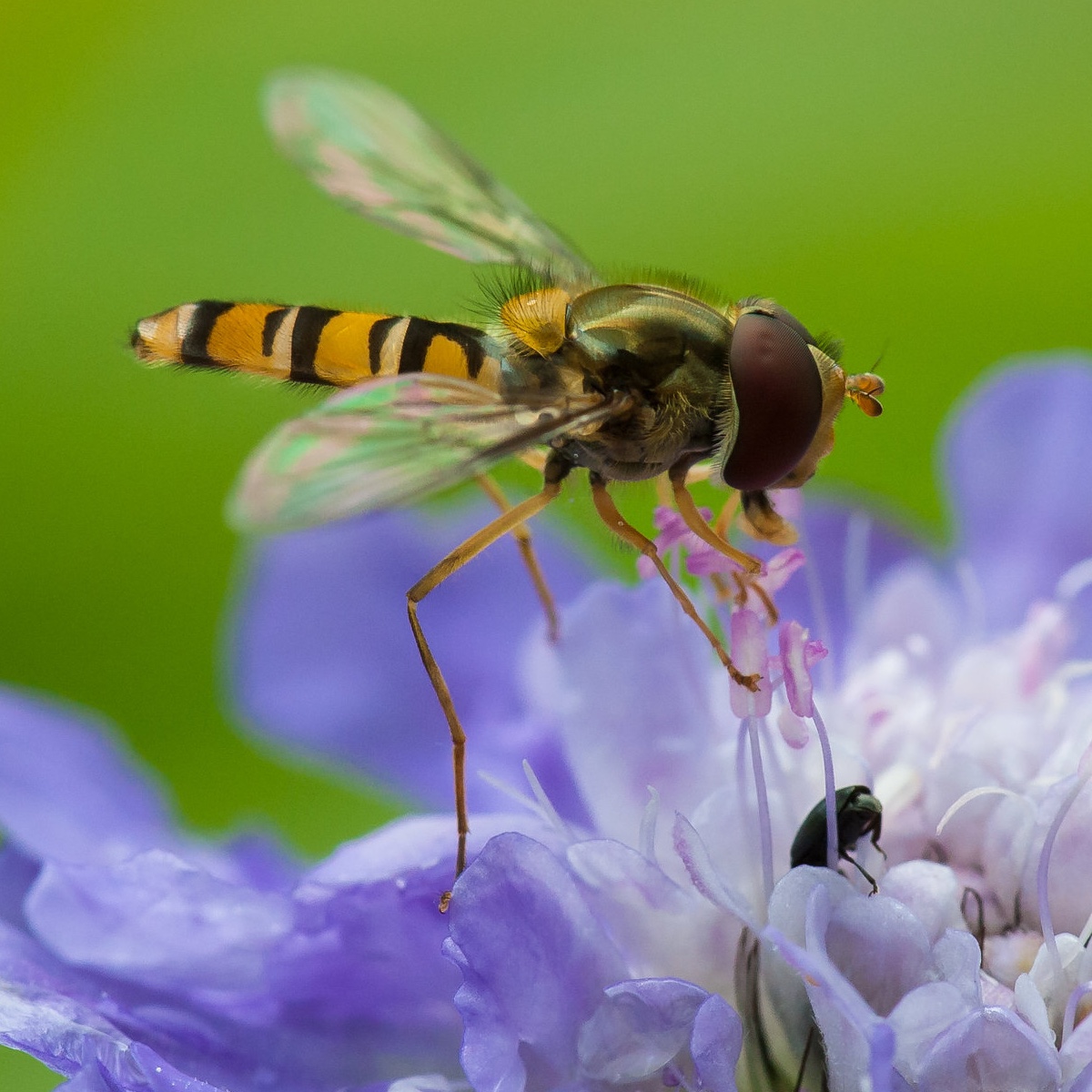
Marmalade Fly
The Marmalade Fly, our most common hoverfly, can be seen most of the year, as overwintering adults will emerge on sunny winter days. Photo: © Natural England/Allan Drewitt
-

Common Darter
The Common Darter is one of our latest-flying dragonflies: it is on the wing from June into October, and even November in warmer autumns. Photo: © Natural England/Paul Lacey
-
Kittiwake
Kittiwakes live far out at sea during the winter, but can be spotted round the coast in the breeding season, from March to August. Photo: © Natural England/Neil Pike
-
Razorbill
Although the largest Razorbill breeding colonies are in the north of Scotland, breeding pairs can be found in other parts of the UK. Outside the breeding season, they spend their life at sea – you may spot them flying past Lizard Point. Photo: © Natural England/Allan Drewitt
-
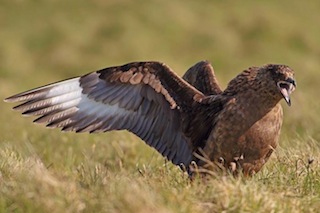
Great Skua
Great Skuas breed far to the north, but keep an eye out for them at sea as they migrate south in the late summer. Photo (of bird at breeding grounds on Shetland): Amanda Scott
-
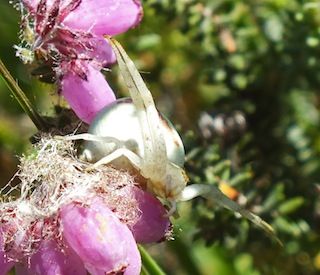
Flower Crab Spider
Look on flowerheads in the summer to see if you can spot a female Crab Spider – the camouflage is very good, so you’ll need to search carefully. Photo: Amanda Scott
-
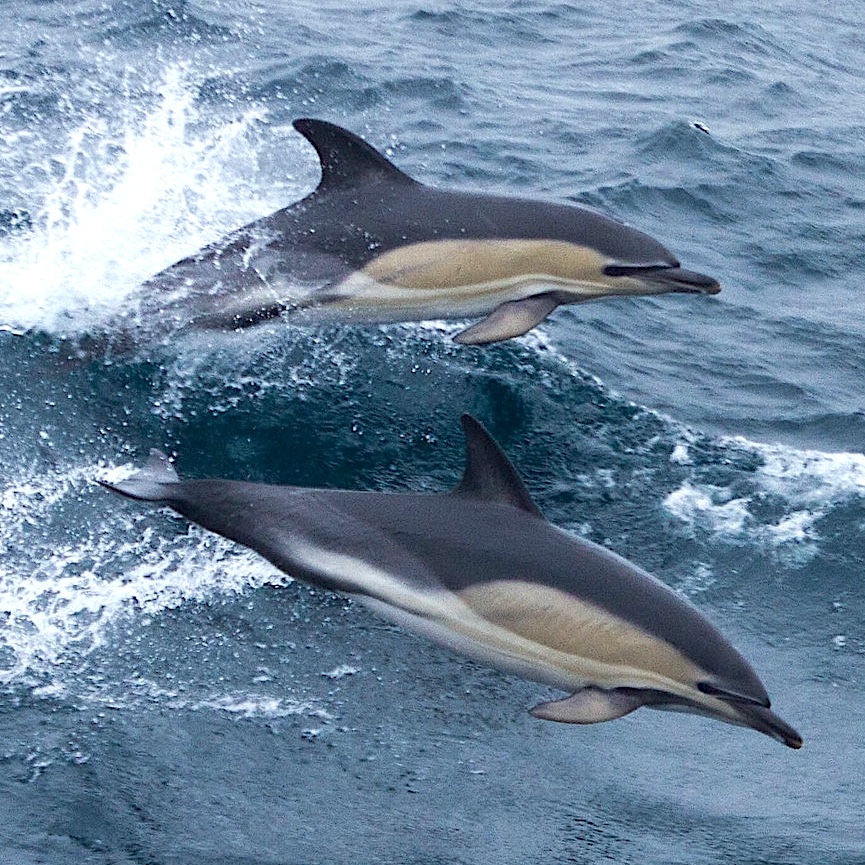
Common Dolphin
Watch out for schools of splashing and leaping Common Dolphins round The Lizard. Photo: © Natural England / Rebecca Walker
-

Sulphur Beetle
The bright colour of Sulphur Beetles makes them hard to miss, despite being small. Photo: Amanda Scott
-
Red-veined Darter
Windmill Farm is a good place to see Red-veined Darters, a relatively scarce summer migrant to the UK. Photo: Dougy Wright
-
Wasp-mimic hoverfly
The striking wasp-mimic hoverfly Chrysotoxum bicinctum is found in grassy places and more open areas in woodland. Photo: Andy Pay
-

Four-spotted Chaser
A common sight in the summer, watch out for the darting, hovering flight of the Four-spotted Chaser dragonfly. Photo: © Natural England/Allan Drewitt
-
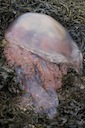
Barrel Jellyfish
In warm summers, large numbers of Barrel Jellyfish, harmless to humans, can be found in the seas round the Lizard. Photo: Ray Surridge
-
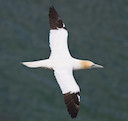
Gannet
Gannets do not breed on the Lizard, but can be seen flying past over the sea as they hunt far and wide for food. Photo: © Natural England/AllanDrewitt