
Author: Amanda Scott
-

Red Fox
The Red Fox is largely nocturnal creature, but can sometimes be spotted in the daytime. Photo: © Richard Birchett
-
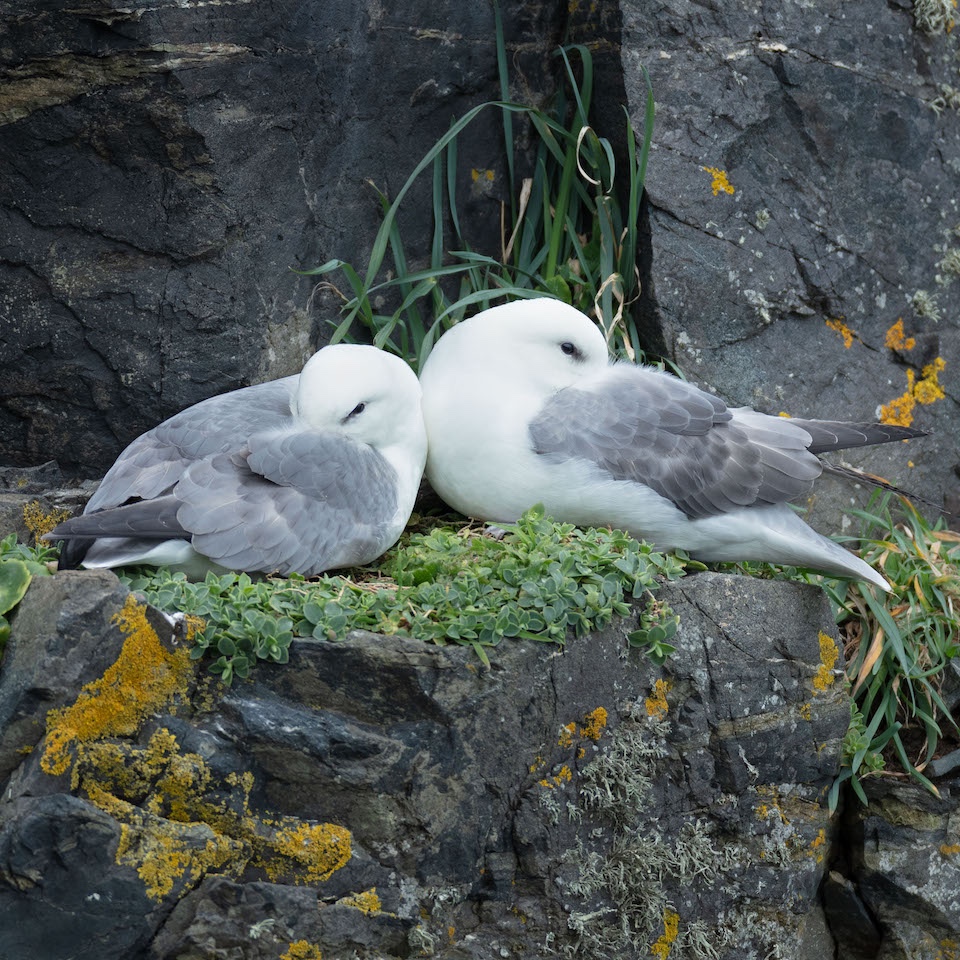
Fulmar
Fulmars look superficially like gulls but are, in fact, related to Albatrosses. They can be spotted near to coastal cliffs, such as at Lizard Point. Photo: © Richard Birchett
-
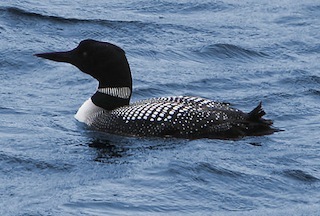
Great Northern Diver
Great Northern Divers are winter visitors to the seas of the Lizard. Photo: by P199
-
Cormorant
Cormorants are expert fishers: they can be seen round the coast of The Lizard and on the Helford. Photo: Ray Surridge
-

Grey Seal
In the UK, Grey Seal pups are born between September and December. Photo: © Richard Birchett
-
Chequered Hoverfly
There are many species of hoverfly in the UK. While most are known only by their scientific name, this one is distinguished by having a common name of its own. Photo: Amanda Scott
-

Garden Spider
In late summer and early autumn, you may notice orb spiderwebs covering the shrubs and long grass alongside the coastal paths on the Lizard, glistening with dew in the early morning. They will have been made by the Garden Spider, common in Cornwall. Photo: Amanda Scott
-
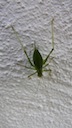
Speckled Bush-cricket
This is a species that is often hard to spot with its leaf-coloured camouflage. Photo: Ray Surridge
-
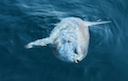
Ocean Sunfish
The warm weather of summer brings Ocean Sunfish to seas around the Lizard. Photo: Amanda Scott
-

Great Green Bush-cricket
The Great Green Bush-cricket’s preferred habitat is brambly scrubland, bracken and hedges. Photo: Amanda Scott
-
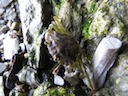
Shore Crab
If you’ve ever found a crab when rock-pooling, there’s every chance it was a Shore Crab. Photo: Ray Surridge
-
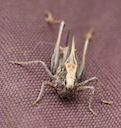
Grey Bush-cricket
This female Grey Bush-cricket climbed on to a rucksack strap to pose for the camera at Kynance. Photo: Amanda Scott
-

Gold-ringed Dragonfly
Gold-ringed Dragonflies have a mostly western distribution in the UK. Look out for them on The Lizard’s heathland. Photo: © Natural England/Isabel Alonso
-
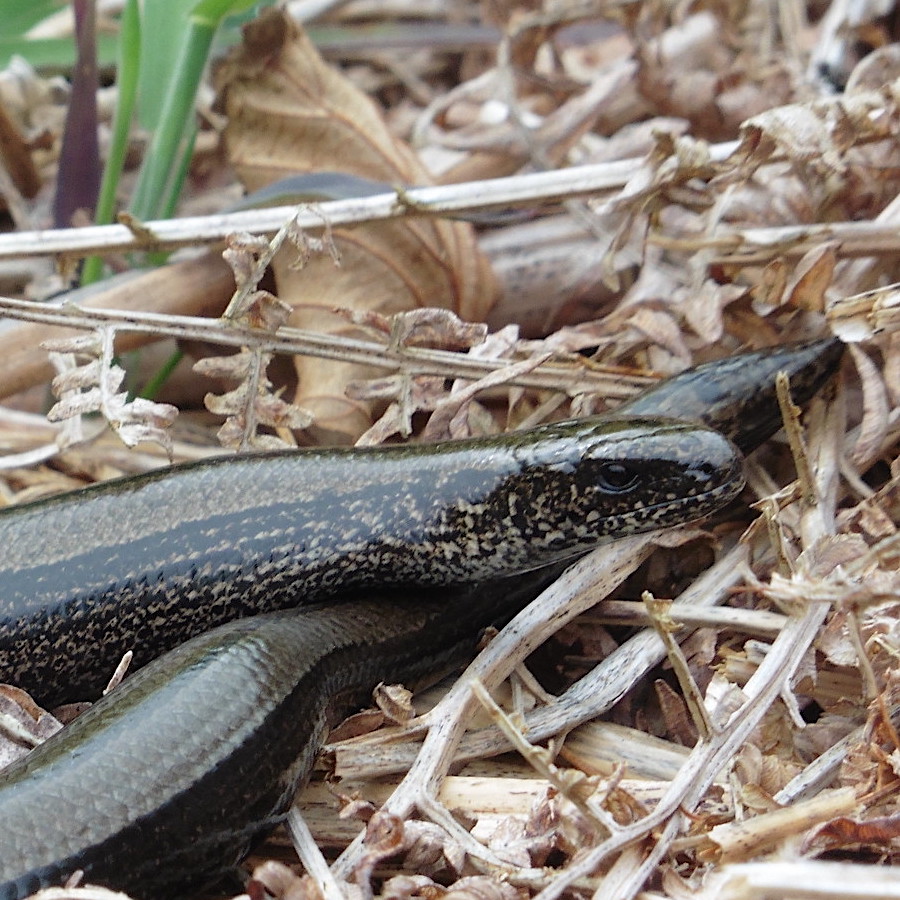
Slow Worm
Slow Worms are perhaps our most secretive lizards. Photo: © Natural England/Philip Ray
-
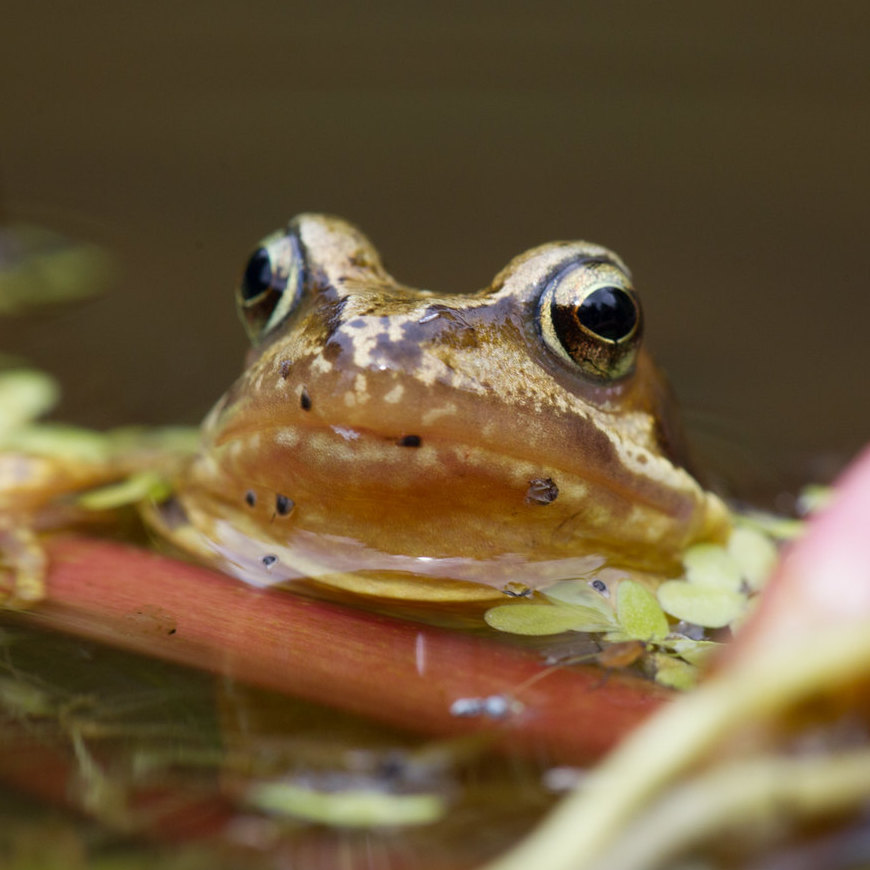
Common Frog
Frogspawn is usually seen very early in the Spring on the Lizard, often as early as January, in pools and even in waterlogged ruts on tracks. Photo: © Natural England/Allan Drewitt
-
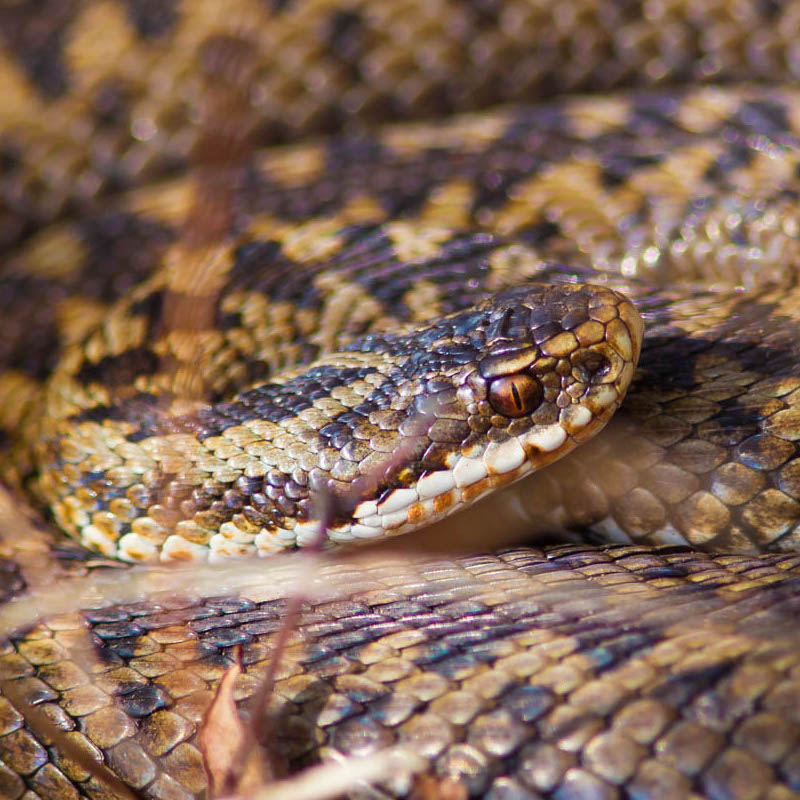
Adder
Adders can be spotted as the weather begins to get warmer and they emerge from hibernation. Photo: © Natural England/Allan Drewitt