
Author: raysurridge
-
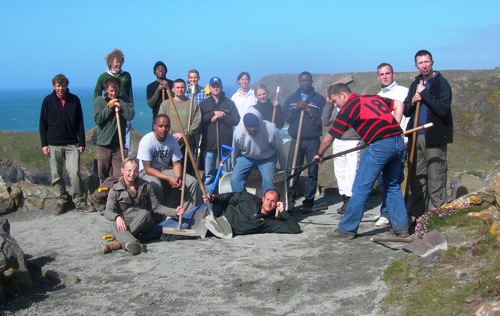
National Trust – Practical Countryside Volunteering
Our conservation work covers over 1000 hectares of diverse land, from beaches and cliffs to inland heathlands and wooded valleys. Our work aims to maintain a delicate balance between protecting important wildlife habitats and landscapes and providing good access to enable people to discover and enjoy them. Coast and countryside volunteering with the…
-
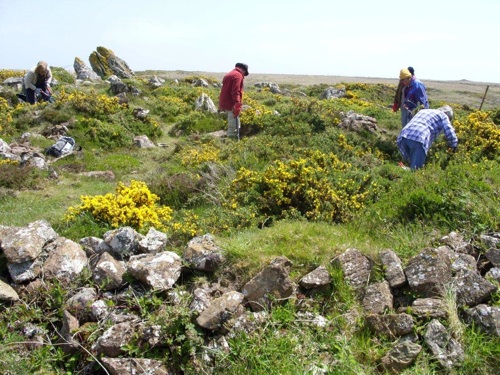
Lizard Ancient Sites Network – Practical Countryside Volunteering
LAN is the acronym for the Lizard Ancient sites Network, a group of volunteers set up in 2009 to look after the prehistoric and early medieval sites on the Lizard peninsula. We work closely with Cornwall Council’s Historic Environment service, Natural England and the National Trust on the Lizard. We look after a wide variety of…
-
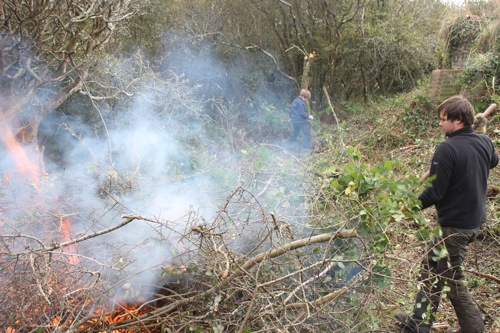
Cornwall Wildlife Trust – Practical Countryside Volunteering
We own two nature reserves on the Lizard; North Predannack Downs Nature Reserve and Windmill Farm Nature Reserve. The management and maintenance of these reserves is undertaken by a dedicated team of staff and the occasional volunteer work party. Our conservation work party events are often organised by our Local Groups and involve things like scrub…
-
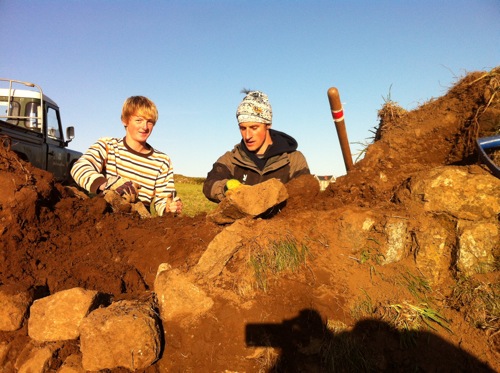
Practical Countryside Volunteering
Click on the organisations name to find out more about volunteering with them… National Trust – Our conservation work covers over 1,000 hectares of diverse land, from beaches and cliffs to inland heathlands and wooded valleys. Our work aims to maintain a delicate balance between protecting important wildlife habitats and landscapes and providing good…
-
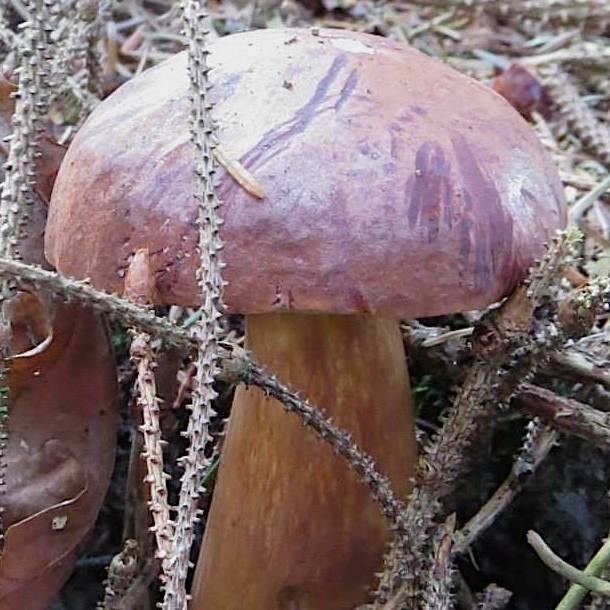
Penny Bun
Penny Bun mushrooms are not often found on The Lizard; these were spotted in a spruce plantation. Photo: Steve Townsend
-
Introduction to volunteering on the Lizard
Volunteering is a great way to learn more about a place, its people and wildlife. It is the perfect opportunity to get outdoors and play a vital role in caring for the environment. Here on the Lizard there are lots of ways you can get involved in the natural environment, working with conservation organisations such…
-
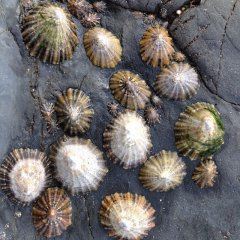
Life on the rocks at Poldhu Cove
Last weekend I headed to Poldhu Cove to enjoy some sunshine and watch the surf. Having never been there the first thing I did upon arrival was head to the rocks to see what I could find, although being heavily pregnant with a toddler in tow precluded a proper nooks and crannies search of all…
-

Chiffchaff
Mainly a summer visitor to the UK, a small but increasing number of this small warbler with its familiar song now overwinters here. Photo: © Natural England/Allan Drewitt
-
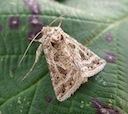
Boathouse Gem
Mark Tunmore of Atropos discovered the migrant moth Thysanoplusia daubei (the Boathouse Gem) at Church Cove on the Lizard in 2014 – the first record for Britain! Photo: Mark Tunmore
-

Raven
The highly intelligent Raven has great aerial ability given its large size. Photo: © Richard Birchett
-
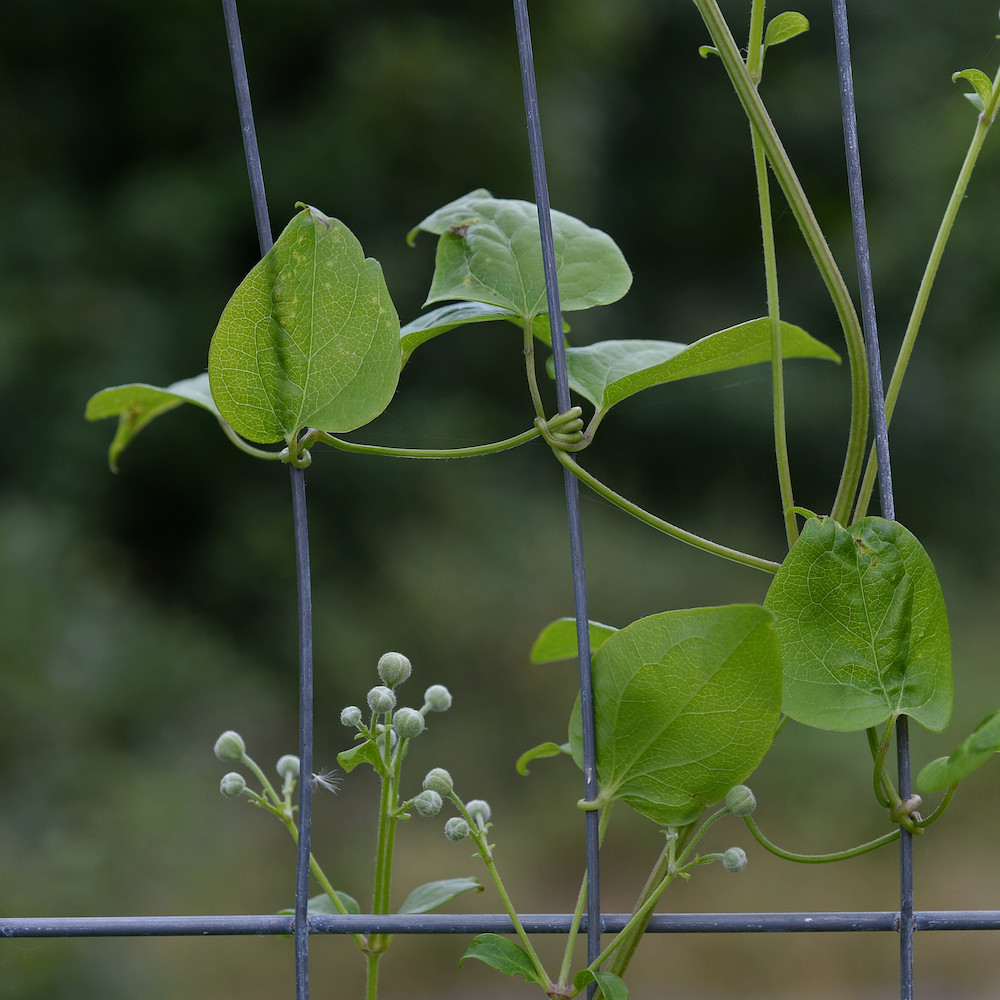
Traveller’s-joy
It is a joy to find our only native clematis scrambling through a hedge or fence. Photo: © Natural England/Peter Roworth
-
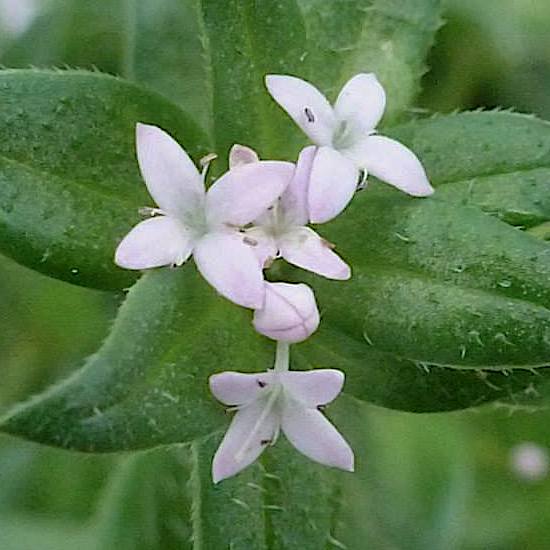
Field Madder
The books say that Field Madder flowers until October, but it is often still hanging in there into November on The Lizard. Photo: Steve Townsend
-

Whooper Swan
Overwintering and migrating Whooper Swans can be spotted on The Lizard’s inland pools in autumn and winter. Photo: Amanda Scott
-
The University of Exeter
The University of Exeter combines world class research with excellent student satisfaction at our campuses in Exeter and Cornwall. We are a member of the Russell group of Universities in the UK (24 in total), committed to maintaining the very best research, an outstanding teaching experience and unrivalled links with business and the public sector.…
-
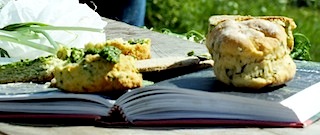
Foraging for wild food at Predannack
A walk exploring seasonal wild food to forage in the beautiful setting of Predannack, on the Lizard’s west coast with Justin Whitehouse, National Trust, the Lizard Overview We all know about picking tasty brambles and sloe berries, but there are many other wild plants it is safe to collect and eat. This short walk around…
-
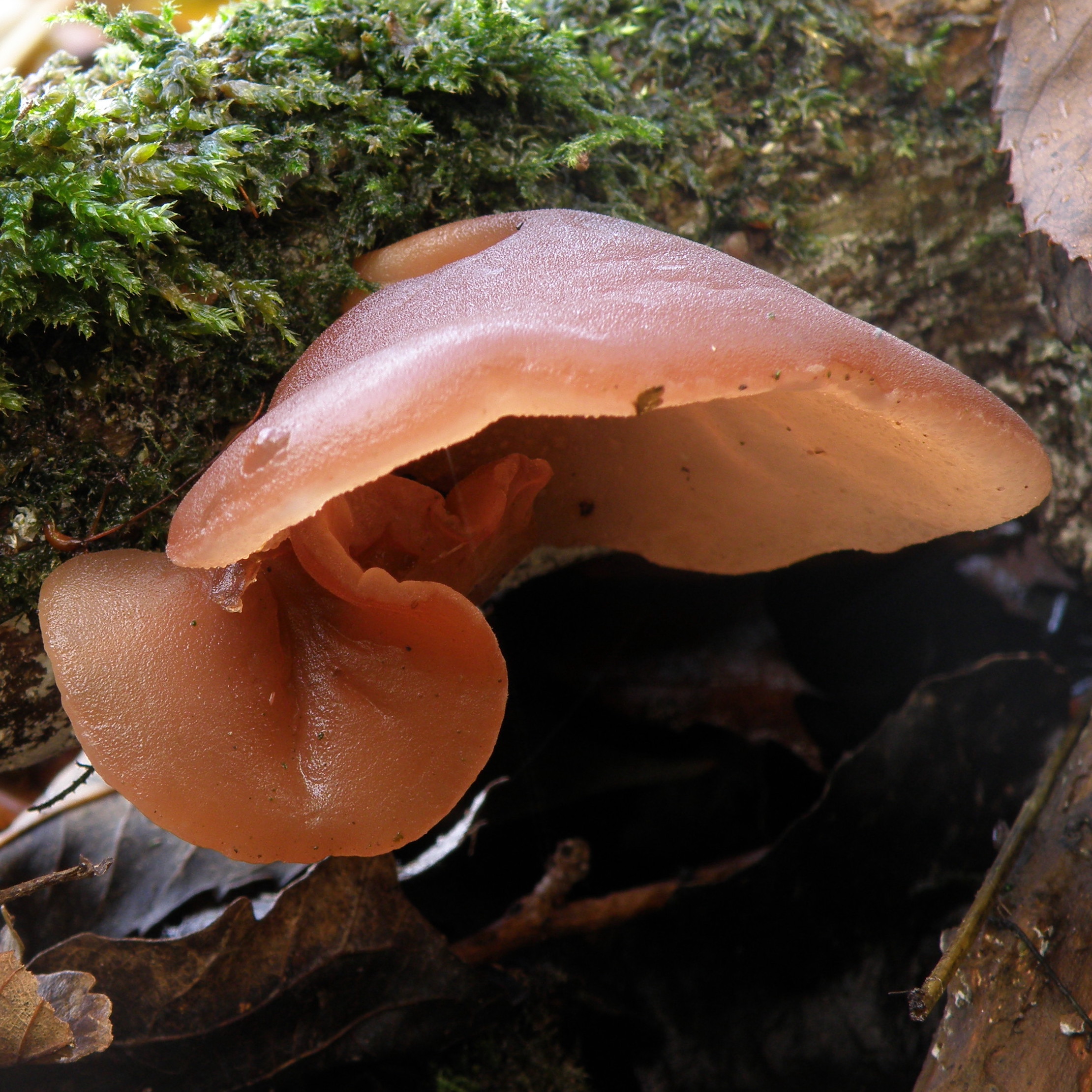
Jelly Ear
Jelly Ear fungus can be spotted in the autumn and right through winter. It is usually found on dead or dying Elder wood. Photo: Josh Milburn at Mushroom Observer, CC BY-SA 3.0 via Wikimedia Commons