
Author: raysurridge
-
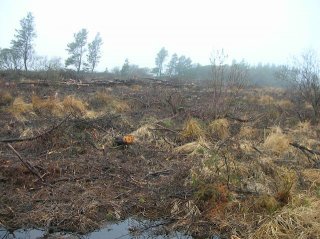
Heathland restoration and re-creation on The Lizard
On The Lizard we can still enjoy relatively large expanses of heathland on a truly landscape scale. They are world famous for their unique assemblage of plants and animals and have been on the botanist’s ‘must see’ list at least since John Ray, the ‘Father of English botany’, made the first botanical record here in…
-

Long-tailed Tit
The Long-tailed Tit lives up to its name, with a tail that is longer than its body. Photo: Ray Surridge
-
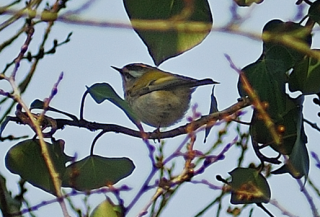
Birds to see in December on the Lizard (article)
Winter brings some special visitors to the Lizard. This article describes some of the bird species you can hope to see on a December day. As with all the seasons, winter brings some special visitors to the Lizard. I love getting out on the heath on crisp winter days and am always on the look-out…
-

Black Redstart
Some Black Redstarts do overwinter in the relatively warmer south-west of the UK, but this is primarily a migratory species. Photo: Ray Surridge
-

Grey Heron
Grey Herons can be spotted fishing at places such as the Helford River or Windmill Farm. Photo: Amanda Scott
-

Kestrel
Kestrels, with their narrow wings and long tails, can often be seen over The Lizard. Photo: © Natural England/Julian Dowse
-

Butcher’s-broom
Interesting name, unusual plant – watch out for the small green flowers in late winter and the large red berry fruits between October and May. Kennack Sands is a good place to find this plant. Photo: Steve Townsend
-

Red Admiral
The migratory Red Admiral butterfly can be spotted from spring until winter in the milder climate of the south-west. Photo: © Natural England/Allan Drewitt
-

Lapwing
Numbers of resident Lapwings are increased by birds migrating from northern Europe in the winter. Watch out for them in pastures and wetlands. Photo: © Natural England/Allan Drewitt
-

Ivy
Ivy provides shelter and food for many species of invertebrates, birds and small mammals, so its autumn flowers are a welcome sight. Look out for it climbing up trees or carpeting woodland floors. Photo: Amanda Scott
-
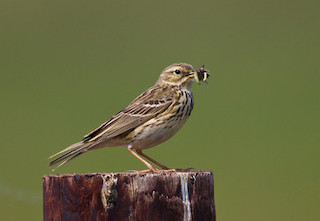
Meadow Pipit
In autumn, Meadow Pipits migrate southward and to lowland areas. Watch out for them on The Lizard. Photo: © Allan Drewitt/Natural England
-
Parasol mushroom
No prizes for guessing why this mushroom is called the Parasol…This one was spotted at Soapy Cove. Photo: Steve Townsend
-

Wild Teasel
The dried spiny seedheads of Wild Teasel persist throughout the autumn and winter. They can be found in many habitats, including sand dunes, providing food for birds like Goldfinches. Photo: © Natural England/Allan Drewitt
-

Marsh Ragwort
Marsh Ragwort can be seen flowering in the marshier places and wet meadows on the Lizard from high summer to early autumn. Photo: Marsh Ragwort , Baltasound by Mike Pennington, via Wikimedia Commons
-

Yarrow
The books may tell you Yarrow flowers until September, but on The Lizard it will often keep going strong into October. Photo: Amanda Scott
-
Poo sticks (article)
Have you ever looked really closely at a cow pat? Photo: Anthony Miners