
Author: raysurridge
-
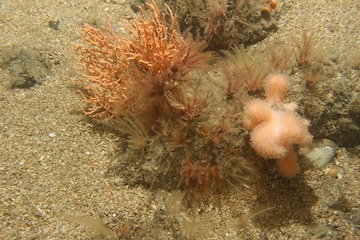
Marine life at The Manacles
In November 2013 I wrote an article for the Lizard website entitled “Marine life at The Manacles recommended for protection”. Now, over three years later, there are thirteen designated features of The Manacles Marine Conservation Zone (MCZ) covering a diverse range of species and habitats, from the pink sea fan and sea fan anemone, to…
-
Expanding the Lizard NNR Video(s)
See some of the species that will benefit from additional protection, hear what members of the public value about this significant development, and meet one of the farmers who grazes the cliffs and coastal fields for wildlife.
-
Expanding NNR Video
The video highlights some of the species that will benefit from additional protection, hear what members of the public value about this significant development, and meet one of the farmers who grazes the cliffs and coastal fields for wildlife.
-
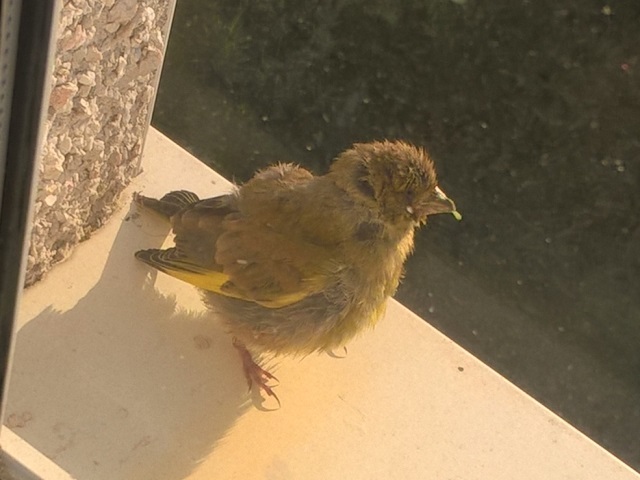
Keep it Clean
With Christmas and the New Year approaching it’s time to start thinking about New Year resolutions. How about committing to ‘keeping it clean’ for wildlife?Garden birds bring great pleasure to millions of people across the UK, and for some it’s the only contact with wildlife and nature they have. I too am a great lover…
-
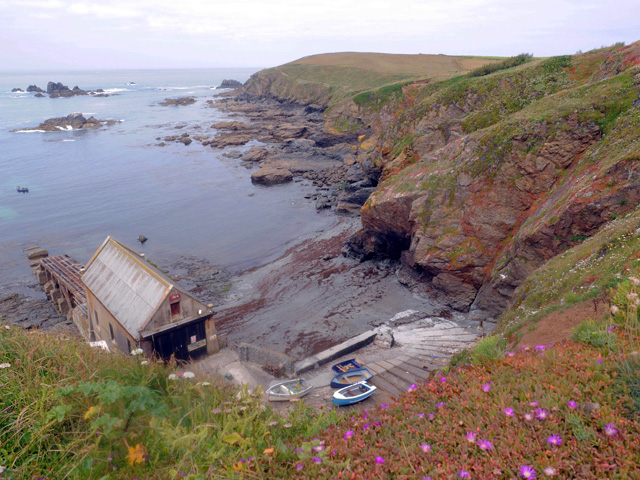
‘Affective qualities’- the ability of place to inspire strong feelings
As regular readers of this blog will know from my previous contributions, I am a runner. I run all over the place: coastpath, roads, field paths, in rain or shine. I have enjoyed some spectacularly wonderful runs on the Lizard, including the tough miles from Muliion to Lizard village, from Lizard point back to Gunwalloe,…
-
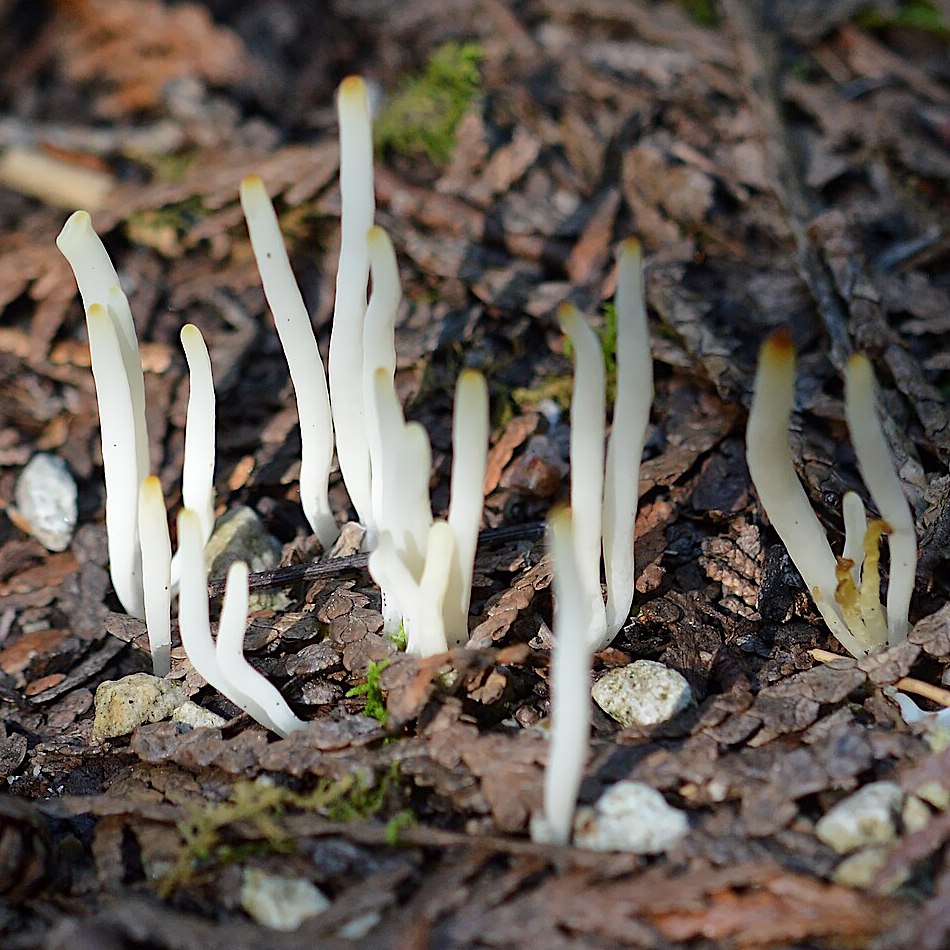
Fairy Fingers
In autumn, Fairy Fingers delicately probe their way through grassland and woodland litter. Photo: Ryan Hornett CC BY-SA 4.0, via Wikimedia Commons Scientific name: Clavaria fragilis (synonymous with C. vermicularis) Other common names: White Worm Coral, White Spindles What to look for: • Appearance: Small groups of white, slender, unbranched fruiting bodies, which are initially…
-
Value added Lizard
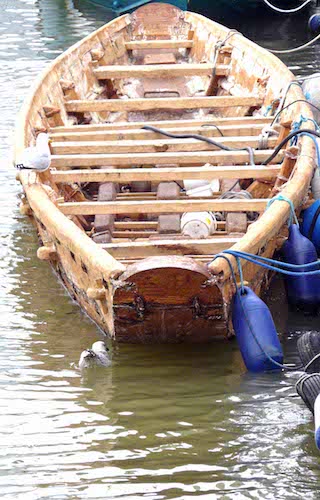
Ancient mariners, trade networks, ritual compulsion & a unique product revered through millennia before its final fading from use around the time St Keverne became a parish: part of the story I promised in an earlier episode of this Blog¹. Read on, if you must. On occasion it is interesting to run time backwards &…
-
How to best help our precious and amazing grey seal pup
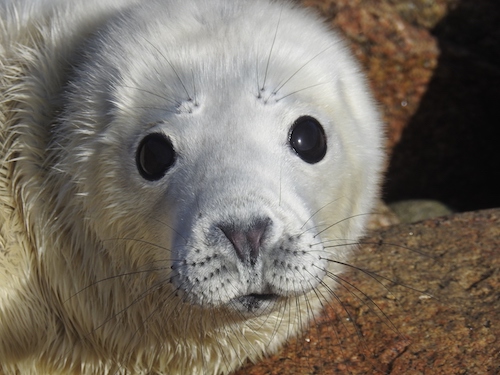
Grey seal pups are an amazing wildlife spectacle around the Lizard peninsular at this time of year…as little and then big barrels of white fluffy fur with huge appealing eyes. But they need our help. They are only fed milk by their mothers for three critical weeks that determine their survival prospects.
-

Comma
The delightful Comma butterfly, with its raggedy wings, can be spotted through the summer months and into early autumn. Photo: Dougy Wright
-
Glossary of geological terms
Dyke: A fault or crack in rocks that has later been intruded by other rock types during magmatic activity Gabbro: A coarse-grained, dark, intrusive, igneous rock Gneiss: A metamorphic rock, formed from the metamorphosis of granite or sedimentary rock under high temperatures and pressures. It shows distinctive layering of different minerals Granite: An intrusive, coarse-grained…
-
Kennack Sands – Beaches
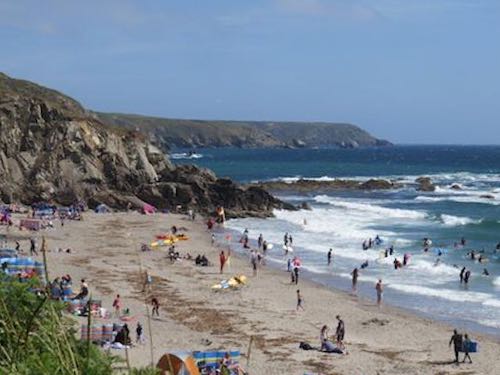
The beaches at Kennack Sands are a great place for families to visit. The western beach (the one closest to the car park) is the sandier of the two, and is a well-known surfing beach. The shallow incline creates a large tidal range and some good surfing waves. Kennack Beach Walk over small headland (The…
-
Kennack Sands – Heritage
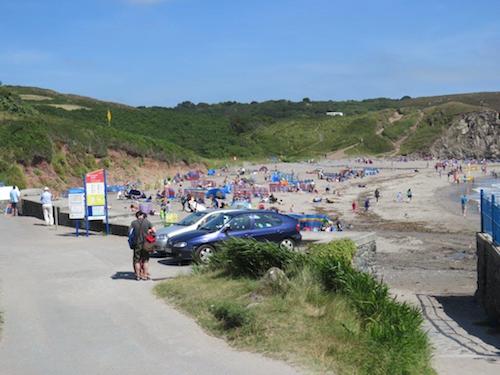
The history of Kennack Sands goes back a long way. Kennack is itself a mediaeval Cornish placename. The hill behind the Towans was recorded in 1510 as Carn Cunek, and the beach is recorded in 1538 as Porthkunyk. This comprises the elements of porth, meaning cove or harbour, and keun, meaning reeds or rushes. The…
-
Kennack Sands – Flora and Fauna
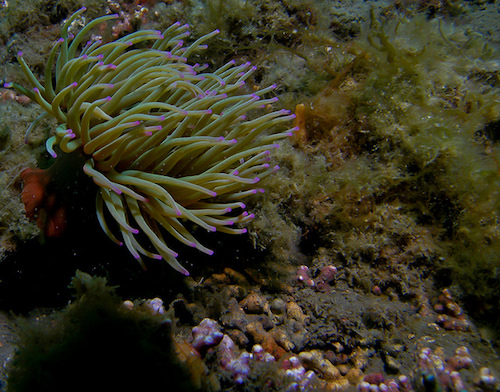
The varied habitats at Kennack Sands – rockpools and marine communities, sand dunes, streams, scrub, with woodland and the heathlands of Goonhilly beyond – mean there is a wealth of wildlife to be found here, at any time of year. Enjoy exploring! Western cliffs Keep an eye out for Rock Samphire. Even out…
-
Kennack Sands – Geology
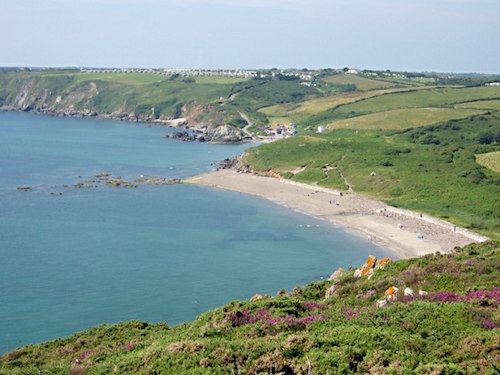
Kennack Sands is a fascinating site for investigating the geology http://www.the-lizard.org/index.php/lizard-geology of The Lizard. The Lizard The southern part of the peninsula is a complex mix of serpentinite, schist, gabbro and granite. These rocks are over 600 million years old. The serpentine rock for which The Lizard is famous is all that remains of an…
-
Kennack Sands
It is easy to understand why Kennack Sands is one of the most popular family beaches on The Lizard. Extensive beaches, impressive cliffs, dunes and woodlands, and the opportunity for some rockpooling or summertime surfing on the waves – there is plenty to do and explore. Literary buffs among you will be interested to know…
-
Inspiring people about nature, conservation and local heritage
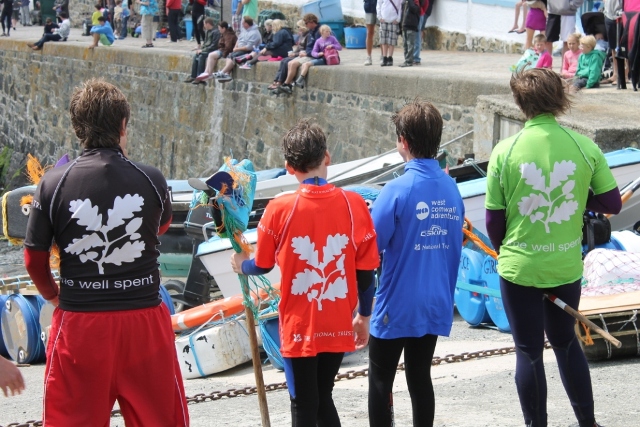
Local conservation organisations offer a variety of guided walks, events and education days across The Lizard. Helping out with these events is the perfect way to get out and about, learn more about the area and meet other like-minded people. Volunteering in this area can also help if you are trying to build your skills…