
Category: cliff&coastline-b
-
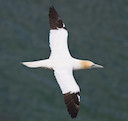
Gannet
Gannets do not breed on the Lizard, but can be seen flying past over the sea as they hunt far and wide for food. Photo: © Natural England/AllanDrewitt
-
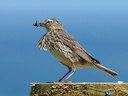
Rock Pipit
This olive-brown bird is well-camouflaged on the stony beaches it calls home, but watch out for it perching on rocks or feeding along the tidewrack. Photo: MPF / CC BY-SA
-
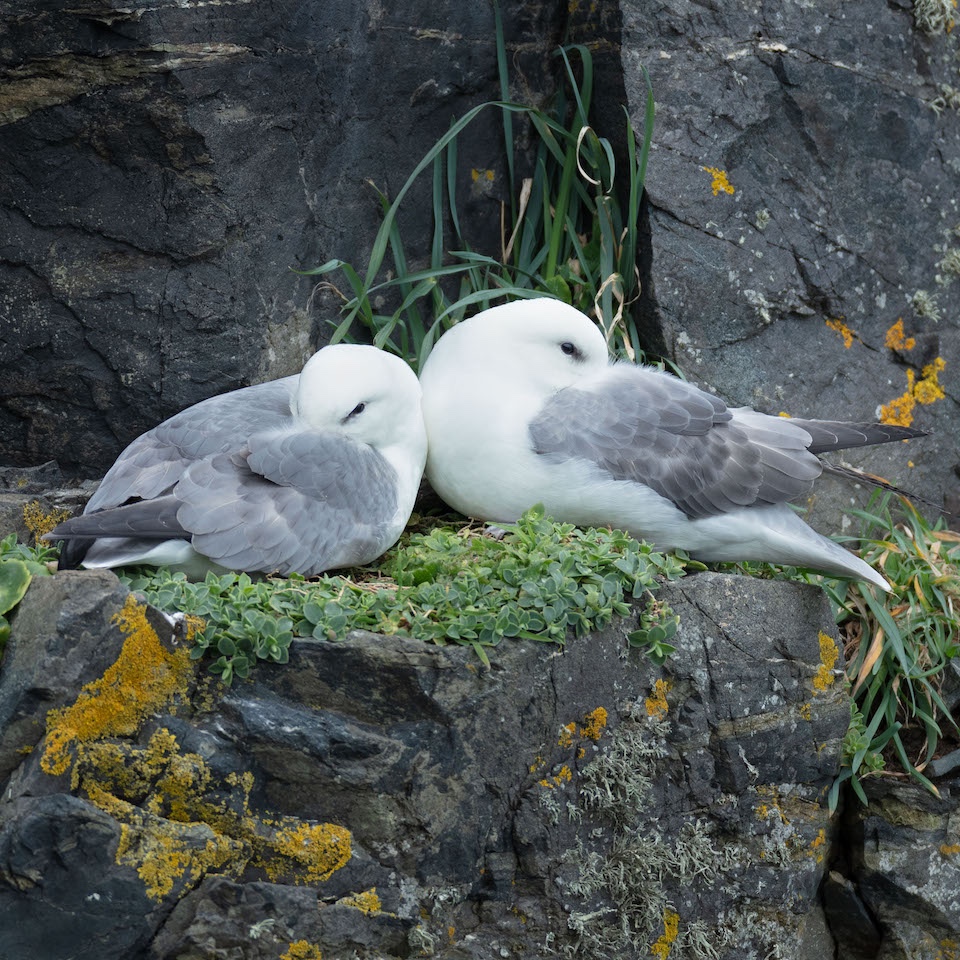
Fulmar
Fulmars look superficially like gulls but are, in fact, related to Albatrosses. They can be spotted near to coastal cliffs, such as at Lizard Point. Photo: © Richard Birchett
-
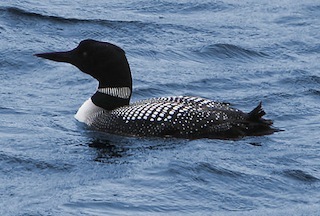
Great Northern Diver
Great Northern Divers are winter visitors to the seas of the Lizard. Photo: by P199
-

Rook
Rooks, familiar across the British countryside, also have an important place in our folklore. Photo: © Natural England/Allan Drewitt
-

Black Redstart
Some Black Redstarts do overwinter in the relatively warmer south-west of the UK, but this is primarily a migratory species. Photo: Ray Surridge
-

Kestrel
Kestrels, with their narrow wings and long tails, can often be seen over The Lizard. Photo: © Natural England/Julian Dowse
-
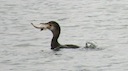
Cormorant
Cormorants are expert fishers: they can be seen round the coast of The Lizard and on the Helford. Photo: Ray Surridge
-
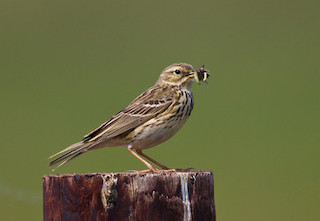
Meadow Pipit
In autumn, Meadow Pipits migrate southward and to lowland areas. Watch out for them on The Lizard. Photo: © Allan Drewitt/Natural England
-

Pied Wagtail
Pied Wagtails are a familiar but welcome sight round The Lizard. Photo: © Natural England/Allan Drewitt
-

Stonechat
Stonechats, a year-round resident, can be seen openly perching on the top of bushes, and can often be found amongst the gorse of The Lizard. Photo: Ray Surridge
-
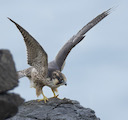
Peregrine
Peregrines can be seen round The Lizard. Photo: © Richard Birchett
-
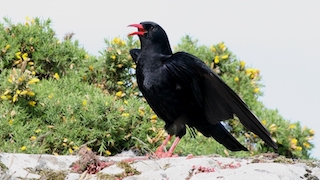
Chough
Choughs have been breeding on The Lizard for many years now. Photo: © Dean Pollard