
Mindblown: a blog about philosophy.
-
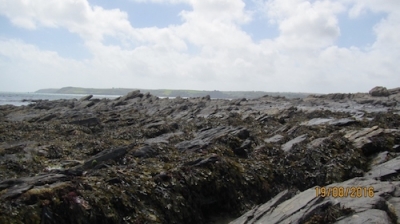
The Helford River Survey– regular long term monitoring of the Helford intertidal areas
Thirty years ago when the Helford River was designated as a Voluntary Marine Conservation Area a survey was established to provide baseline information and ongoing monitoring of the intertidal in this area. It was designed to be a simple, inexpensive and therefore easily repeatable, a non-destructive baseline monitoring system to be carried out at regular…
-
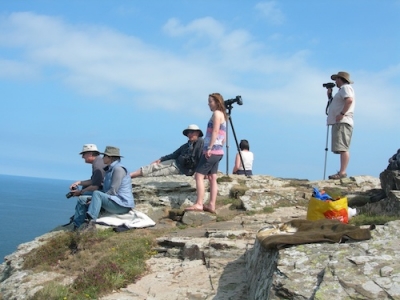
Seaquest and Saving Our Dolphins
Overview Cornwall Wildlife Trust’s Seaquest Southwest Programme is taking action to conserve Cornwall’s enigmatic bottlenose dolphins by stepping up its research programme, joining forces with the Lizard Watch Point, and getting our local population on Britain’s wildlife map. At the end of July, Cornwall Wildlife Trust’s Seaquest Southwest Project came to the Lizard. The…
-

Windmill Farm Report Spring and Early Summer
Spring arrivals and passage, of Warblers, was good in April with decent numbers of Chiffchaff, Willow Warbler, Blackcap, Whitethroat and Sedge Warbler arriving to breed on the Farm. Grasshopper Warbler numbers appear down; I have only heard reeling in 3 locations this year – the farm normally holds at least 6 pairs. A notable omission…
-

Keeled Skimmer
Keeled Skimmers can be spotted near the pools at Higher Bochym in summer. Photo: Kate Dalziel
-

Fragrant Orchid
Fragrant Orchids are close to the end of flowering by July, but they (and their lovely scent) still linger on in some spots on The Lizard. Photo: © Natural England/Peter Wakely
-

Crop wild relatives on the Lizard
The Lizard peninsular is well known for its biodiversity importance but the importance of its genetic diversity is only just being realised. Research undertaken by Birmingham University in 2013 has shown The Lizard to be one of the UK’s ‘hotspots’ for the wild relatives of crop plants. These species are an increasingly important resource for…
-

Birding on the south-west Lizard
Around and about Lizard Point is known as a good area for birding, but travel a bit further north and west, and there is plenty to see. The whole area is well served by a network of footpaths, most of which have The Lizard village as a hub, so the best sites are all very…
-
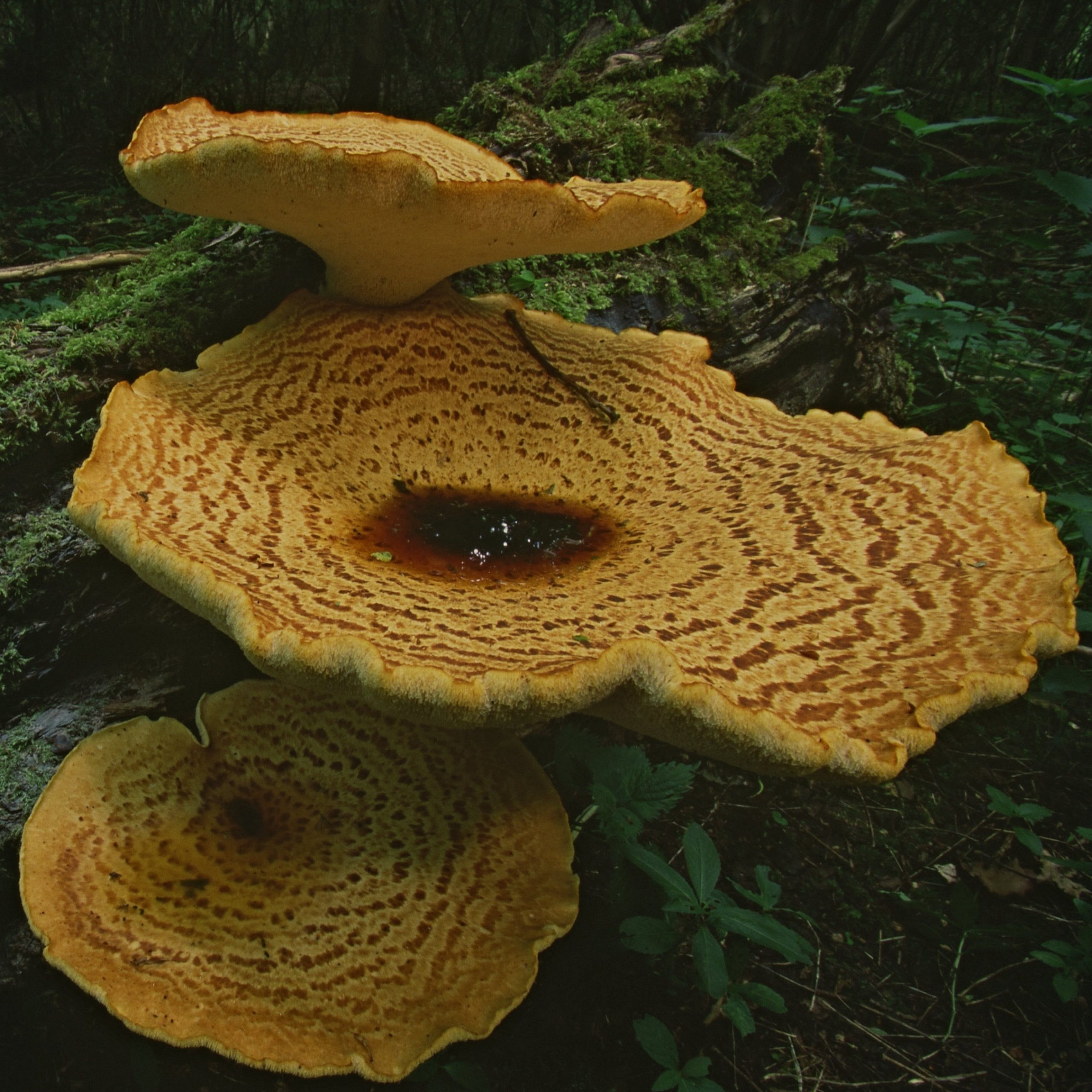
Dryad’s Saddle
Damp weather is annoying for humans, but good for fungi, like this Dryad’s Saddle, a common bracket fungus on dead and decaying wood. Photos: © Natural England/Paul Glendell
-

Algal diversity at Kennack Sands
While walking toward the coast path from Lizard recently I got talking to a fascinating botanist who told me that the slope he was looking at was home to twelve different species of clover, if I remember correctly. He also pointed out some other plants, many of them rare and most of them with spectacular…
-
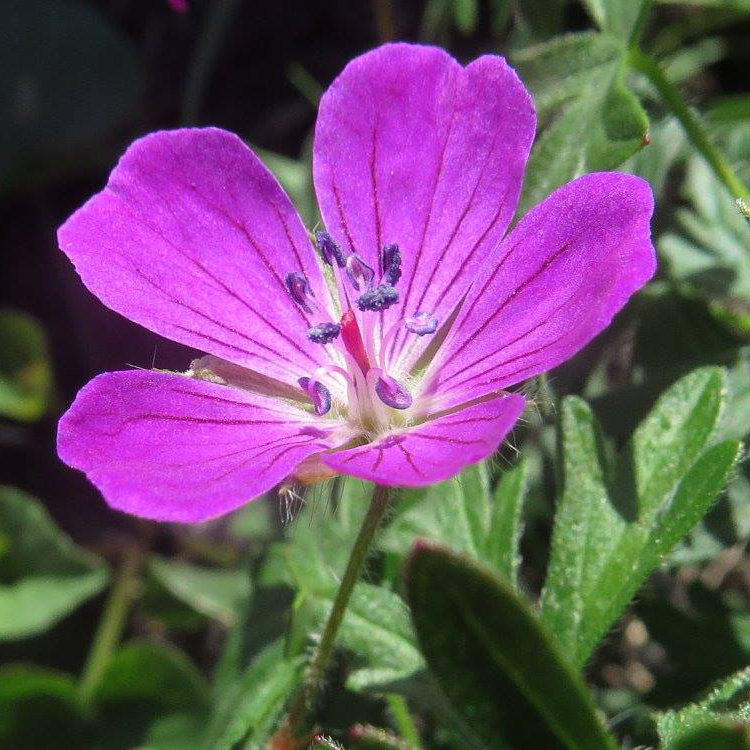
Bloody Crane’s-bill
The meadows above Kynance Cove are a good place to see Bloody Crane’s-bill in the summer, following recent habitat restoration and scrub clearance. Photo: Steve Townsend
-
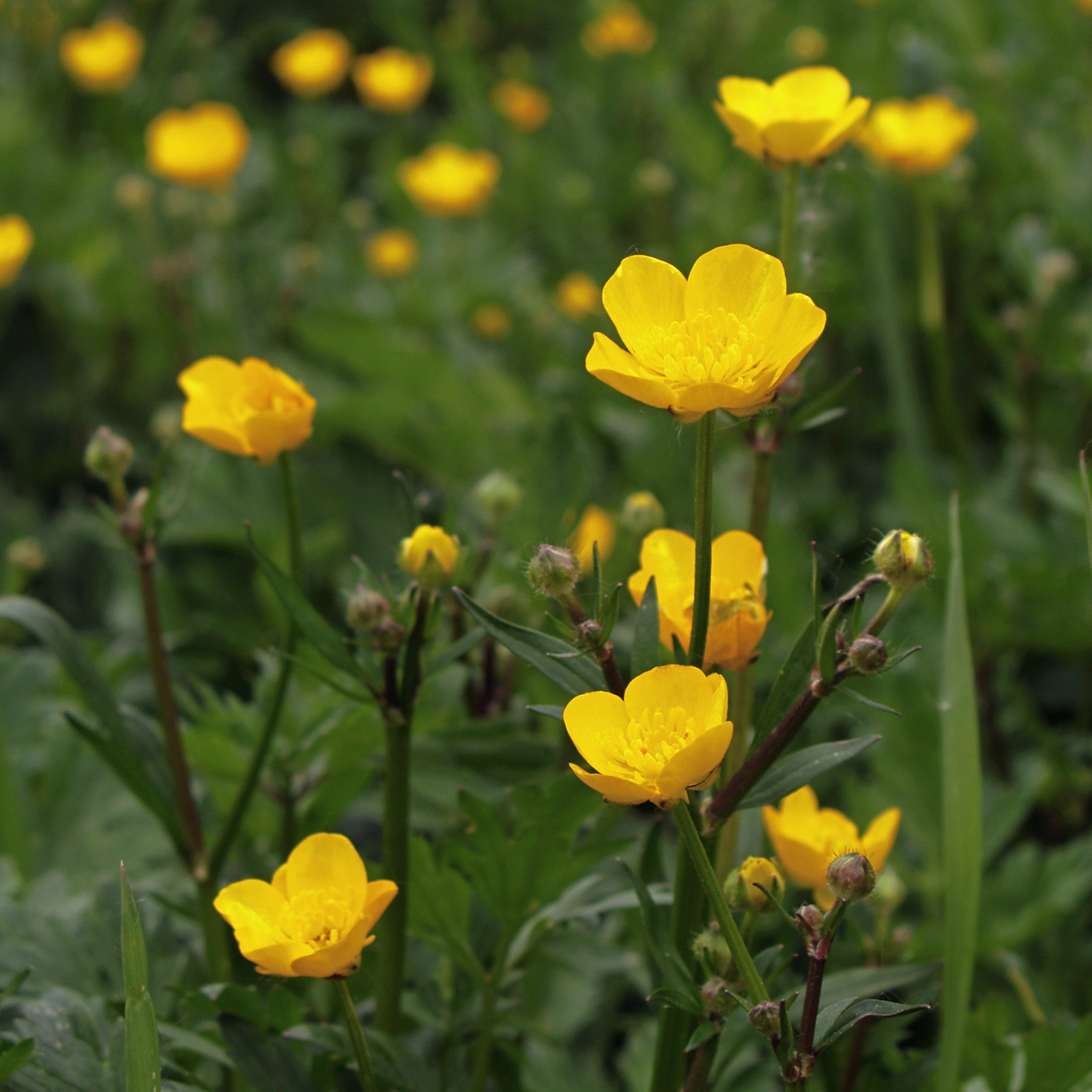
Creeping Buttercup
Not much beats a meadow full of golden buttercups. Photo: Jörg Hempel, CC BY-SA 2.0 DE, via Wikimedia Commons
-

Ruby-tailed Wasp
What a jewel of an insect! This Ruby-tailed Wasp was spotted at Poltesco. Photo: Andy Pay
-
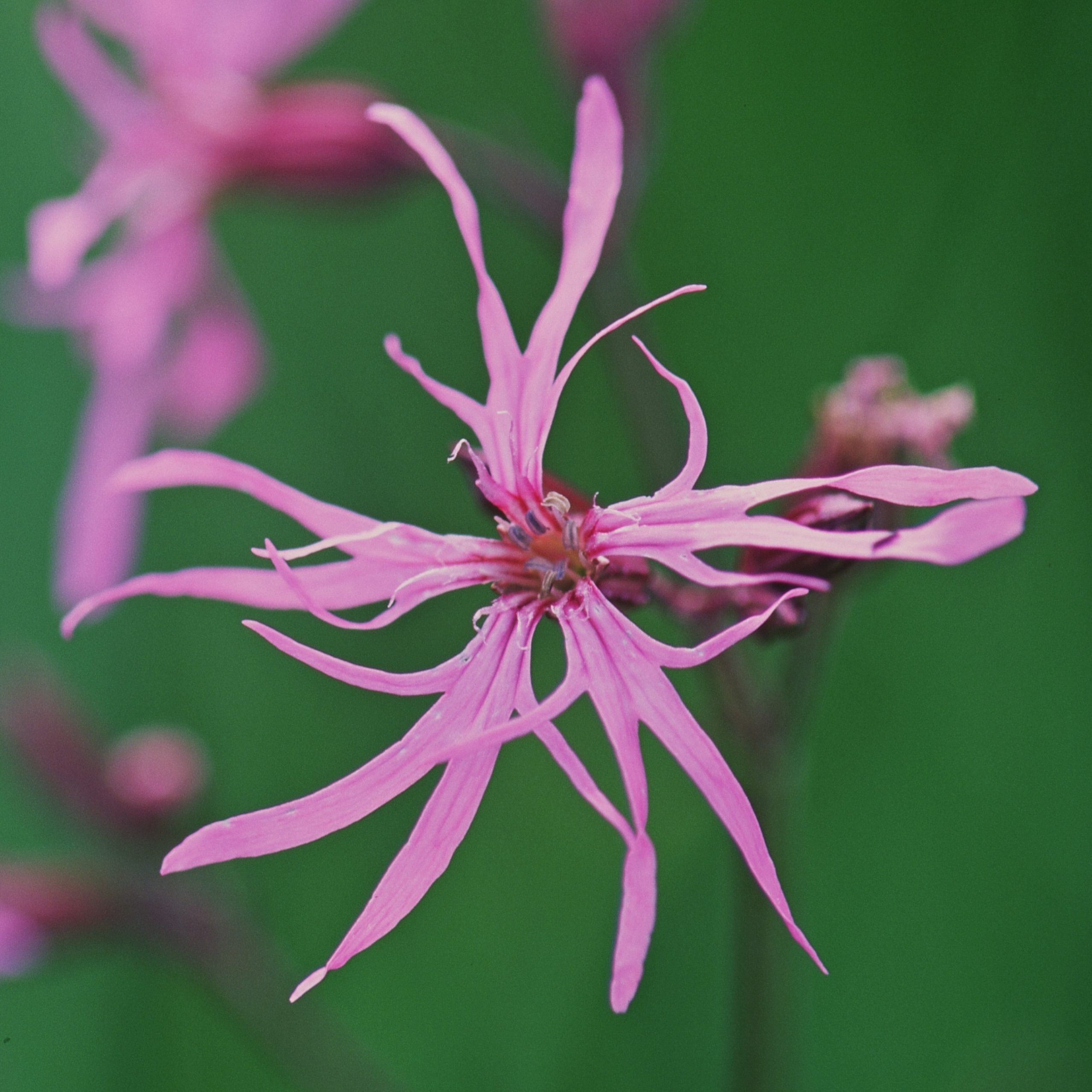
Ragged-robin
Tousled pink flowers of Ragged-robin sway on their tall stems from late spring through to summer’s end. Photo: © Natural England/Chris Gomersall
-
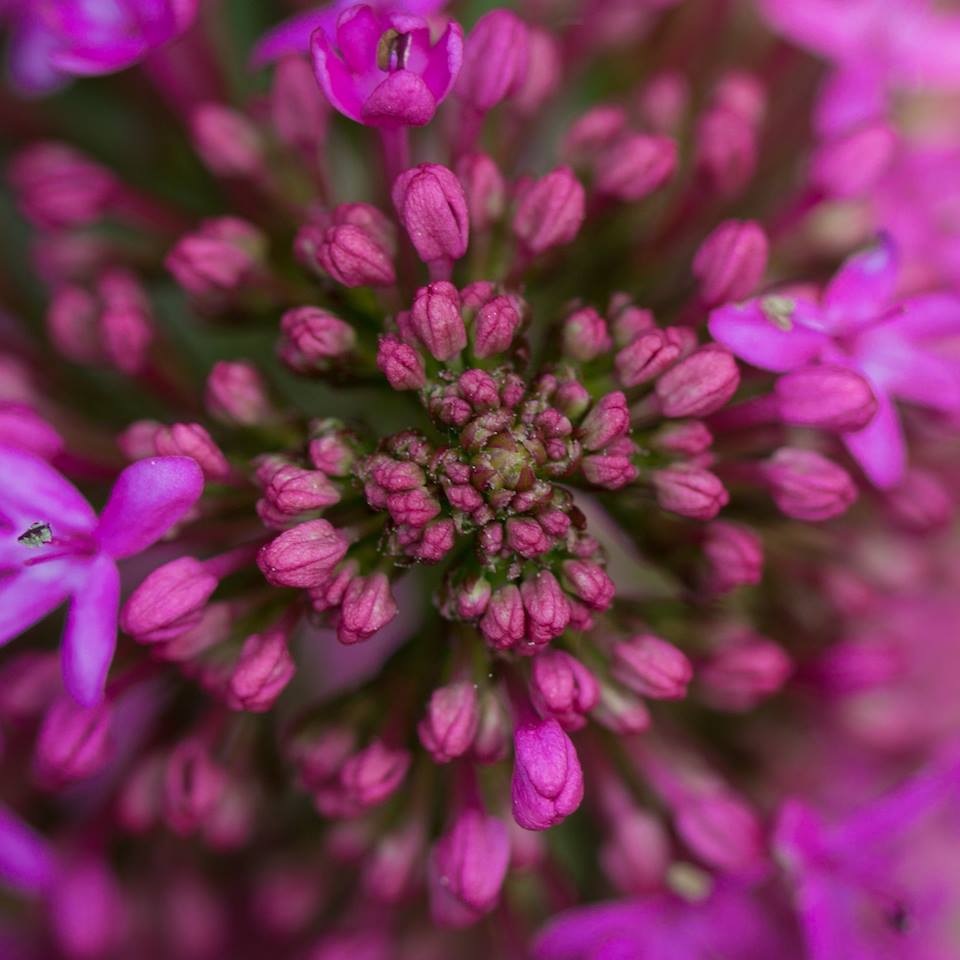
Red Valerian
The rich magenta and ruby hues of Red Valerian are a lovely sight in the summer, whispering of the Mediterranean. Photo: Amanda Scott
-
Common Crab Spider
This little crab spider was spotted scuttling across the beach at Church Cove, near Gunwalloe, but they can be found in many habitats, especially open, undisturbed ground. Photo: Amanda Scott
-
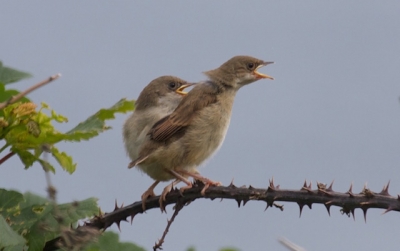
It’s fledging time….
Right now hedges, trees, heath and grassland as well as nestboxes are all of a flutter as the breeding season gets into full swing. Birds are busy diving into all manner of hidey holes and secret places, beaks packed with insect food for their hungry chicks. Egg-laying season is typically between late March and May,…
Got any book recommendations?