
Mindblown: a blog about philosophy.
-

Wild Teasel
The dried spiny seedheads of Wild Teasel persist throughout the autumn and winter. They can be found in many habitats, including sand dunes, providing food for birds like Goldfinches. Photo: © Natural England/Allan Drewitt
-

Marsh Ragwort
Marsh Ragwort can be seen flowering in the marshier places and wet meadows on the Lizard from high summer to early autumn. Photo: Marsh Ragwort , Baltasound by Mike Pennington, via Wikimedia Commons
-

Yarrow
The books may tell you Yarrow flowers until September, but on The Lizard it will often keep going strong into October. Photo: Amanda Scott
-

Grey Seal
In the UK, Grey Seal pups are born between September and December. Photo: © Richard Birchett
-
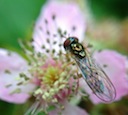
Chequered Hoverfly
There are many species of hoverfly in the UK. While most are known only by their scientific name, this one is distinguished by having a common name of its own. Photo: Amanda Scott
-
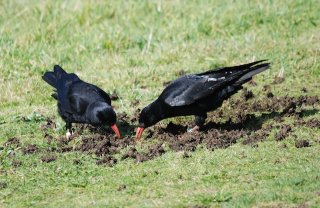
Poo sticks (article)
Have you ever looked really closely at a cow pat? Photo: Anthony Miners
-
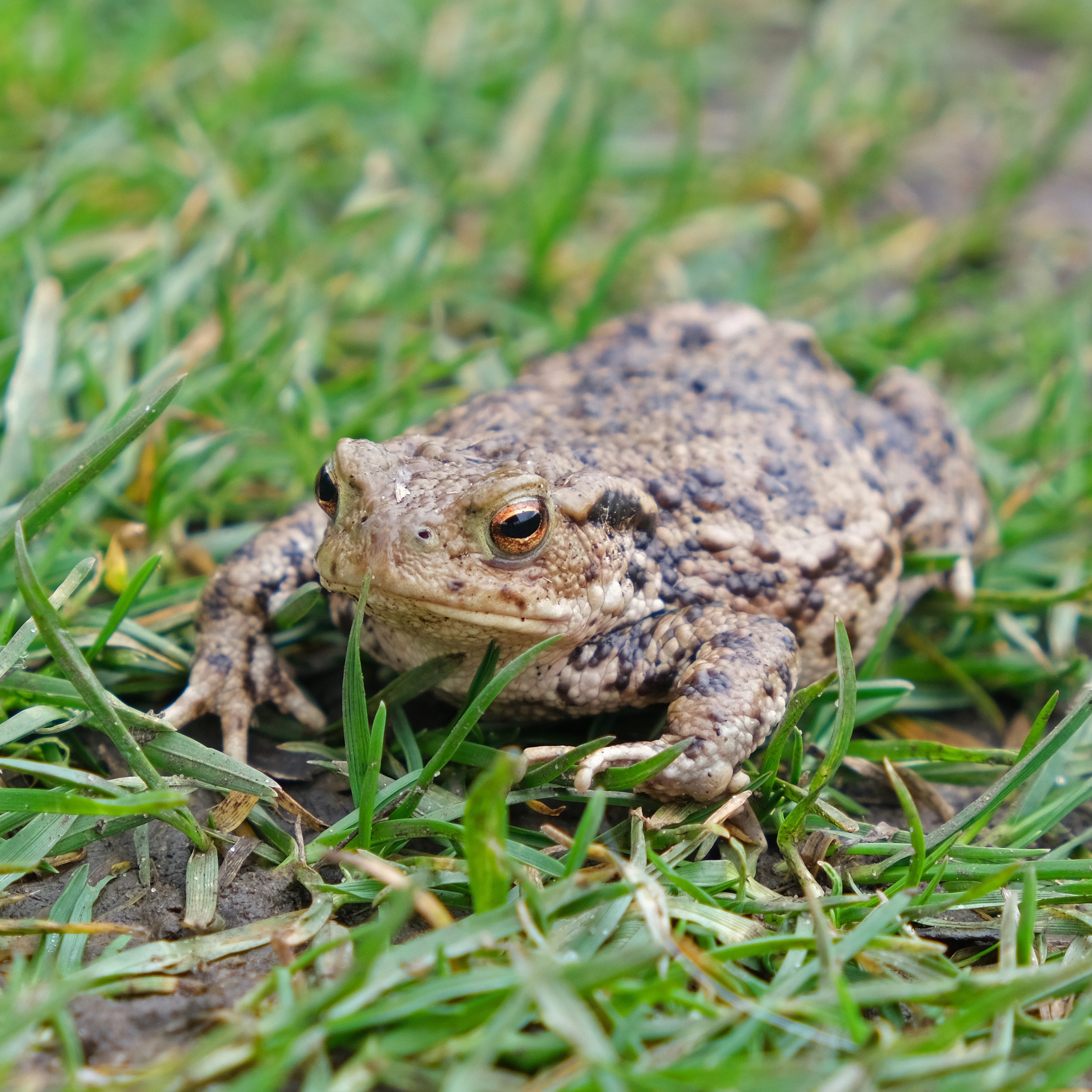
Common Toad
Common Toads begin their migration back to their breeding pool in the autumn, when this mainly nocturnal species can therefore be more easily spotted. Photo: © Natural England/Peter Roworth
-

Small Copper
The fast-flying Small Copper is on the wing into autumn; watch out on warmer days for its coppery colours. Photo: Amanda Scott
-

Garden Spider
In late summer and early autumn, you may notice orb spiderwebs covering the shrubs and long grass alongside the coastal paths on the Lizard, glistening with dew in the early morning. They will have been made by the Garden Spider, common in Cornwall. Photo: Amanda Scott
-

Speckled Wood
Speckled Woods can be spotted in the shadier habitats of The Lizard. Flying from May to October, this is one of the butterflies that brightens the days into early autumn. Photo: Amanda Scott
-

Pied Wagtail
Pied Wagtails are a familiar but welcome sight round The Lizard. Photo: © Natural England/Allan Drewitt
-

Common Knapweed
A valuable source of nectar for insects in late summer, Common Knapweed is found on the grasslands and scrub of The Lizard from July to September. Photo: Amanda Scott
-

Common Fleabane
From August to September, the golden flowers of Common Fleabane brighten up damp meadows and stream edges. Photo: Amanda Scott
-

Blackberry Bonanza
Autumn is a wonderful time to be a Blackberry muncher – you cannot fail to notice bramble bushes hanging heavily with fruit at this time of year. According to archaeological evidence (seeds found in the stomach of a Neolithic Essex man), man has been blackberrying for at least 8000 years – and that really is…
-
Speckled Bush-cricket
This is a species that is often hard to spot with its leaf-coloured camouflage. Photo: Ray Surridge
-
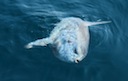
Ocean Sunfish
The warm weather of summer brings Ocean Sunfish to seas around the Lizard. Photo: Amanda Scott
Got any book recommendations?