
Tag: Dragonflies
-
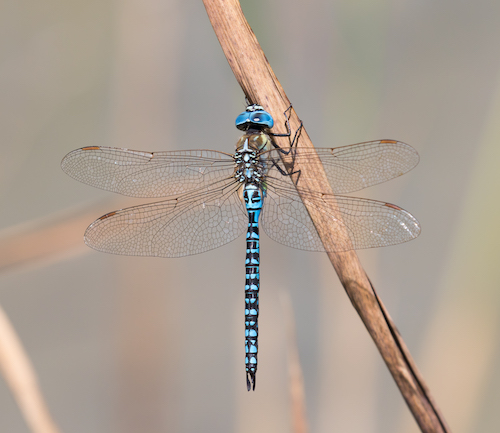
Some rare migrants: dragonflies and a locust
In this article, originally published as a blog post on our website in 2019, Tony Blunden describes some of the migratory dragon- and damselflies you might be lucky enough to see on The Lizard. He also describes an encounter in 2018 with a Migratory Locust. One of the joys of The Lizard is its location…
-
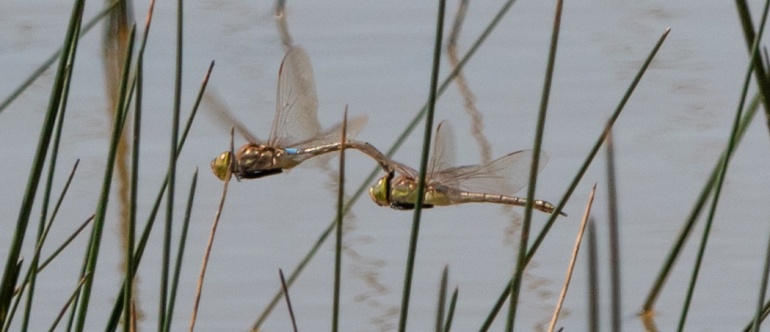
Identifying the three ‘Emperor’ dragonflies
In this article, Dougy Wright, warden of Windmill Farm Nature Reserve on The Lizard, explains how to tell three related species of dragonfly apart: the Emperor, the Lesser Emperor and the Vagrant Emperor (a rare migrant). All three species have been seen at Windmill Farm. Dougy first wrote this article as a blog post on…
-
Dragonflies galore at Windmill Farm
Windmill Farm Nature Reserve is one of the best sites for dragonflies and damselflies on The Lizard, and perhaps in Cornwall. Find out more in this article, originally written as a blog post for our website by the reserve warden, Dougy Wright. Although originally written in August 2013, the article mentions species that can all…
-

Broad-bodied Chaser
Windmill Farm is a haven for dragon- and damselflies, including species such as this Broad-bodied Chaser. Photo: © Natural England/Allan Drewitt
-

Common Darter
The Common Darter is one of our latest-flying dragonflies: it is on the wing from June into October, and even November in warmer autumns. Photo: © Natural England/Paul Lacey
-

Four-spotted Chaser
A common sight in the summer, watch out for the darting, hovering flight of the Four-spotted Chaser dragonfly. Photo: © Natural England/Allan Drewitt
-

Gold-ringed Dragonfly
Gold-ringed Dragonflies have a mostly western distribution in the UK. Look out for them on The Lizard’s heathland. Photo: © Natural England/Isabel Alonso