
Tag: The Lizard
-

Small Copper
The fast-flying Small Copper is on the wing into autumn; watch out on warmer days for its coppery colours. Photo: Amanda Scott
-

Garden Spider
In late summer and early autumn, you may notice orb spiderwebs covering the shrubs and long grass alongside the coastal paths on the Lizard, glistening with dew in the early morning. They will have been made by the Garden Spider, common in Cornwall. Photo: Amanda Scott
-

Speckled Wood
Speckled Woods can be spotted in the shadier habitats of The Lizard. Flying from May to October, this is one of the butterflies that brightens the days into early autumn. Photo: Amanda Scott
-

Pied Wagtail
Pied Wagtails are a familiar but welcome sight round The Lizard. Photo: © Natural England/Allan Drewitt
-

Common Knapweed
A valuable source of nectar for insects in late summer, Common Knapweed is found on the grasslands and scrub of The Lizard from July to September. Photo: Amanda Scott
-

Common Fleabane
From August to September, the golden flowers of Common Fleabane brighten up damp meadows and stream edges. Photo: Amanda Scott
-

Great Green Bush-cricket
The Great Green Bush-cricket’s preferred habitat is brambly scrubland, bracken and hedges. Photo: Amanda Scott
-

Pineappleweed
With its long flowering period (May to early autumn) and beautiful scent when crushed, Pineappleweed is a common find by paths, on wasteland and in arable grass on The Lizard. Photo: Amanda Scott
-

Autumn Squill
As the swallows prepare to leave in the early autumn, delicate blooms of Autumn Squill appear on The Lizard. Photo: Amanda Scott
-
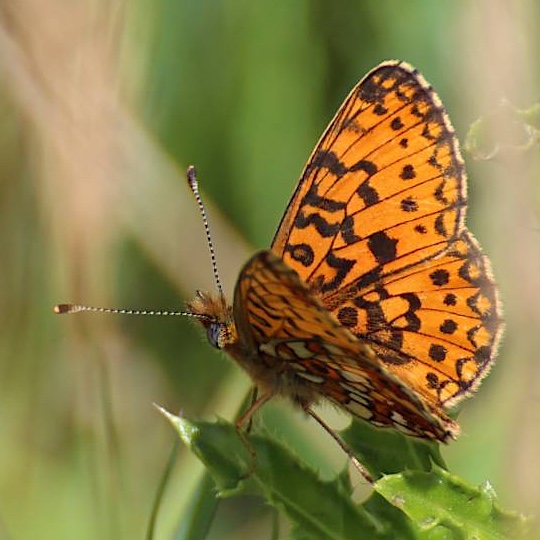
Small Pearl-bordered Fritillary
On The Lizard, this pretty butterfly is mainly a coastal species. Photo: Amanda Scott
-

Clouded Yellow
Clouded Yellow butterflies are summer visitors, arriving from May to June. The coast is a good place to watch out for them. Photo: Dougy Wright
-

Common Centaury
With a long flowering period from June to October, the pink flowers of Common Centaury can be found across The Lizard from summer to autumn. Photo: Amanda Scott
-

Gold-ringed Dragonfly
Gold-ringed Dragonflies have a mostly western distribution in the UK. Look out for them on The Lizard’s heathland. Photo: © Natural England/Isabel Alonso
-

Hemp-agrimony
The fluffy pink flowers of Hemp-agrimony blossom in damp places on The Lizard in mid- to late-summer. Photo: Amanda Scott
-

Lesser Water-plantain
This pretty three-petalled plant can be found in the summer at the edges of water and in boggy puddles. Good places to look are Goonhilly, Windmill Farm and the Grochall Track down to Kynance. Photo: Manakamana-Gorkha, via Wikimedia Commons
-

Yellow Centaury
Delicate Yellow Centaury, which blooms in high summer, only opens its tiny flowers in bright sunshine, so go looking in decent weather. Windmill Farm and the Grochall Track are two good places to find it. Photo: Amanda Scott