
Tag: The Lizard
-

Cinnabar
Cinnabar moths are on the wing from mid-May to early August, and their yellow and black banded caterpillars munch on Ragwort through the summer. Photo: Amanda Scott
-

Merlin
The Merlin is our smallest bird of prey, but it makes up for its size with lots of grit and steely determination. Photo: © Richard Birchett
-
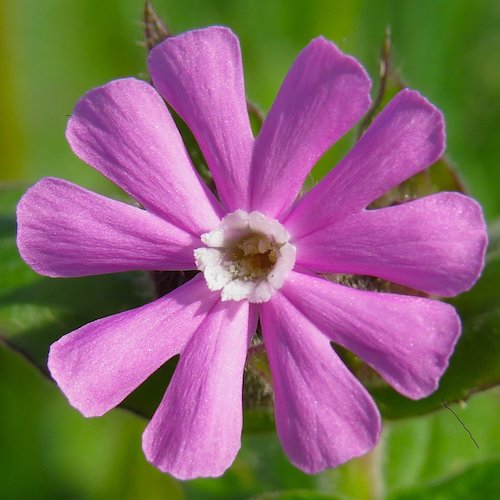
Red Campion
Red Campion is at its most vibrant from the spring into summer. Find it in woodland edges, hedgerows and roadside verges. Photo: Steve Townsend
-
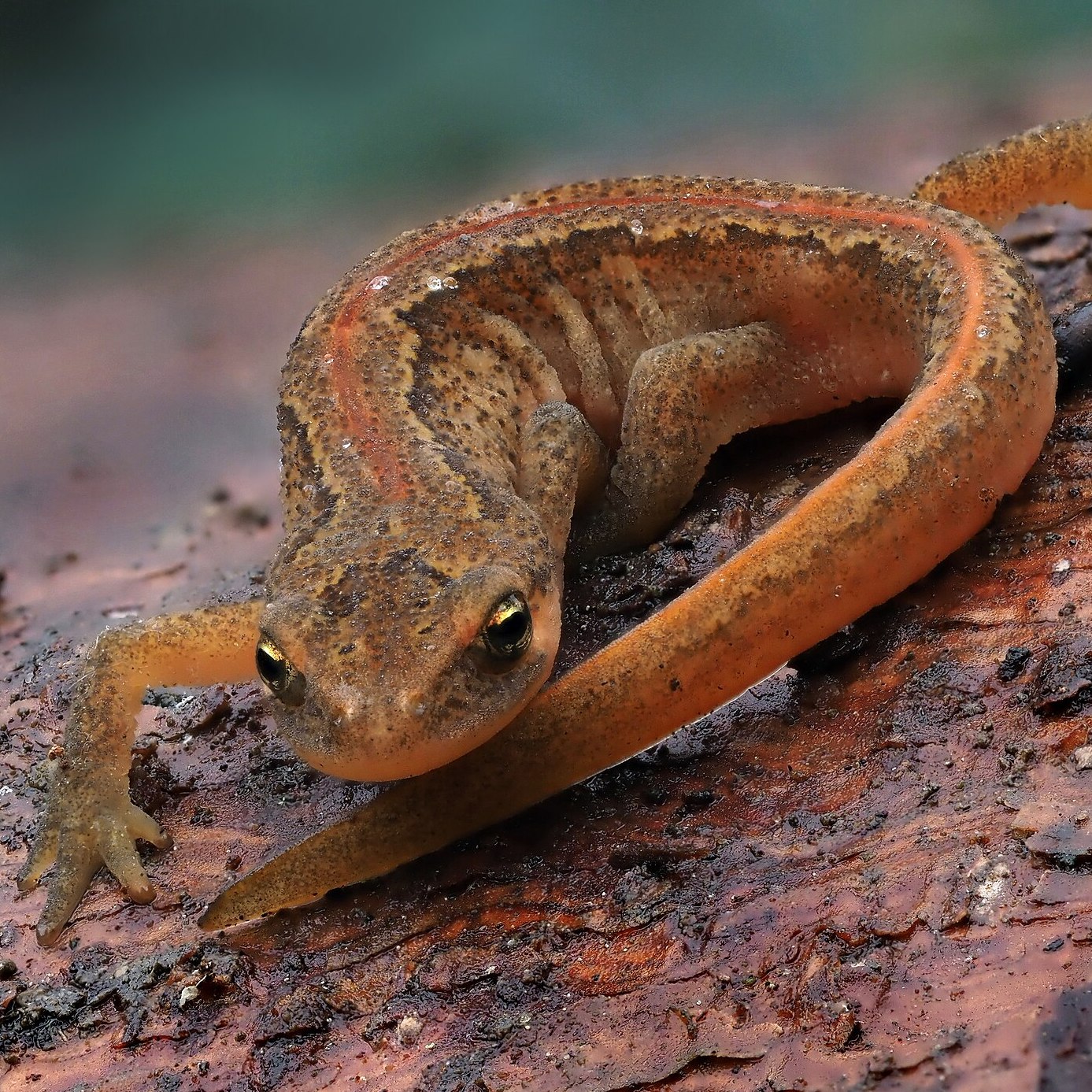
Palmate Newt
For those of you with garden ponds, keep an eye out for Palmate Newts enjoying the water in spring. Photo: Frank Vassen from Brussels, Belgium, CC BY 2.0, via Wikimedia Commons
-
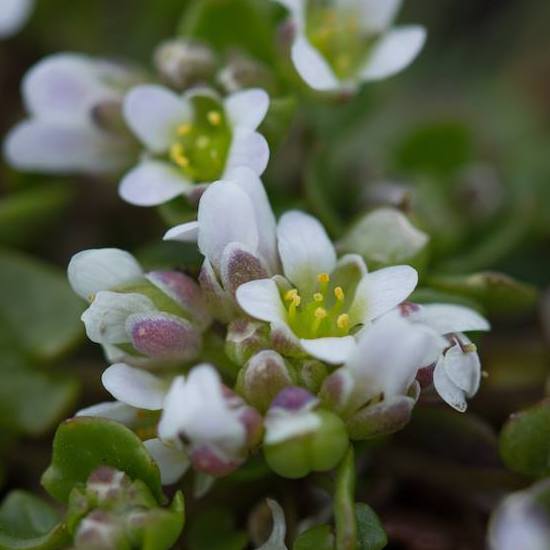
Common Scurvygrass
From May to August, Common Scurvygrass can be found along the clifftops of The Lizard. Photo: Amanda Scott
-

Nuthatch
Nuthatches fiercely defend their nesting sites. A bird of broadleaf woodlands, it is also a frequent visitor to garden birdfeeders. Photo: © Richard Birchett
-
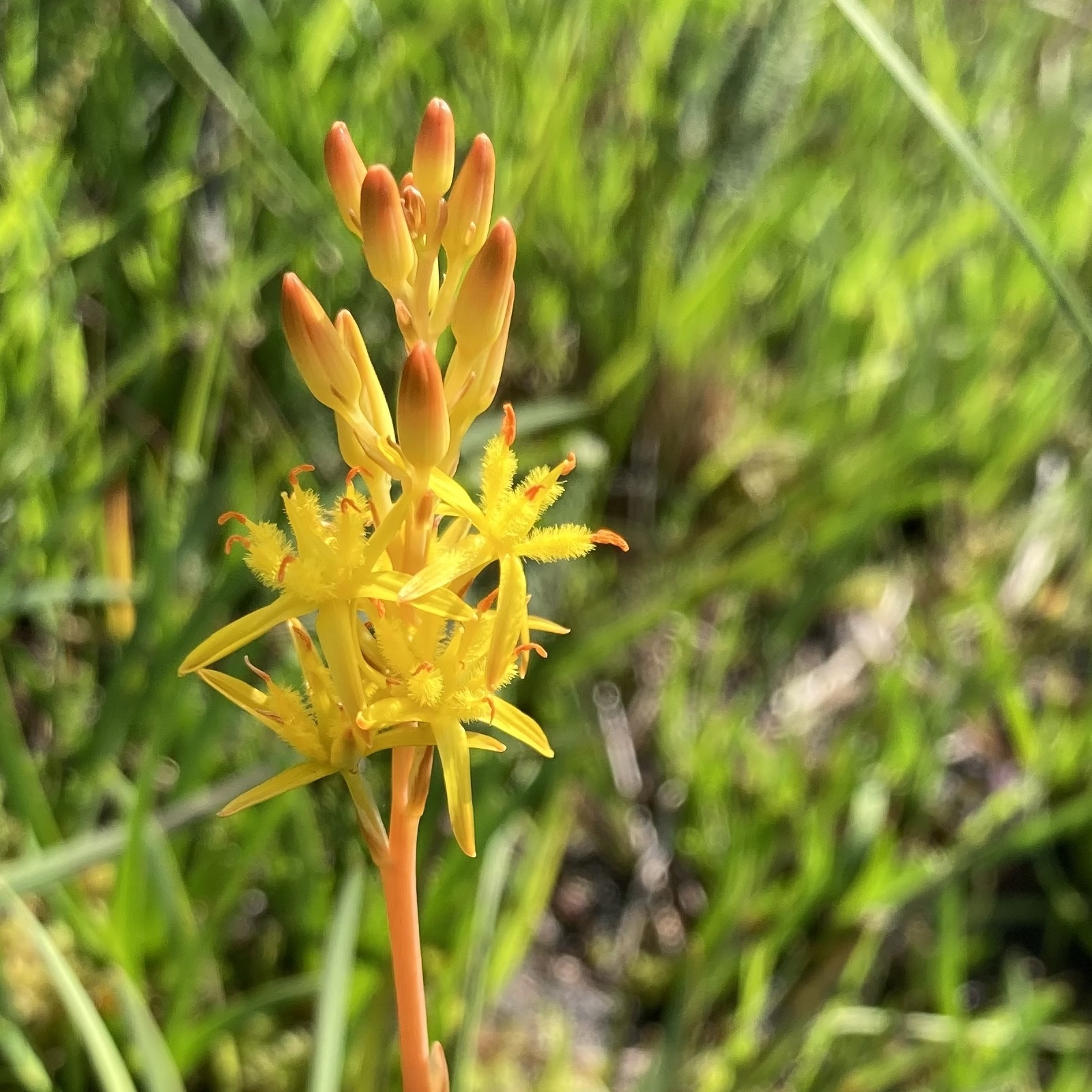
Bog Asphodel
This bright plant of boggy areas on the heathland puts on an amazing display in early summer. Photo: Amanda Scott
-
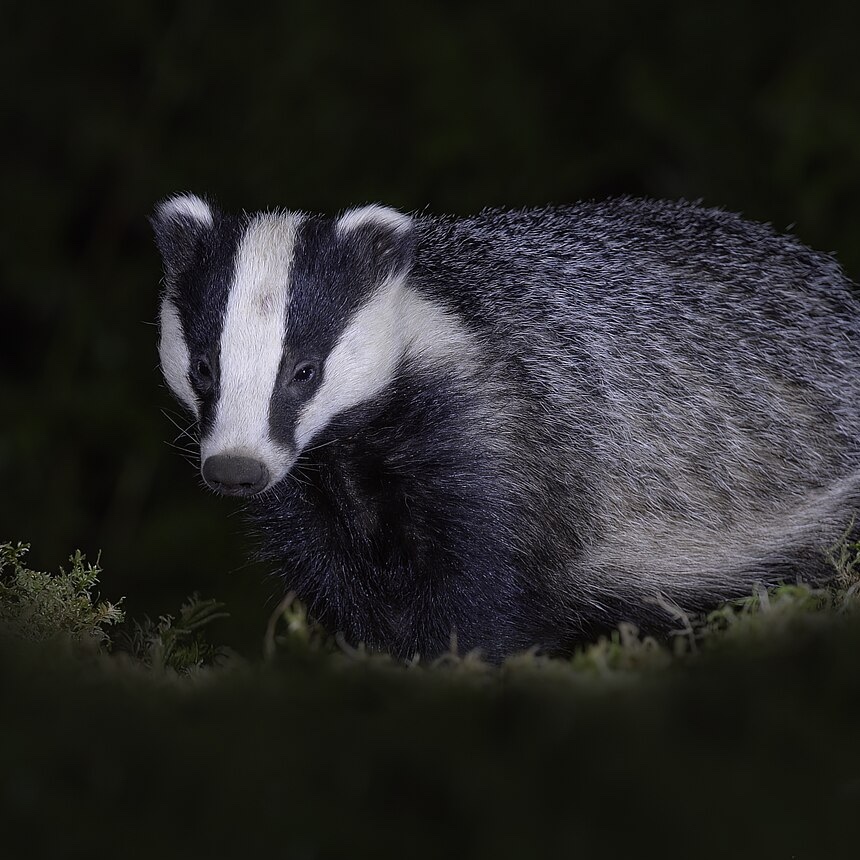
Badger
With its striking black and white striped head, the badger is one of our most instantly recognisable mammals. Photo: Caroline Legg, CC BY 2.0, via Wikimedia Commons
-

Pallas’s Warbler
This autumn and winter visitor to The Lizard was hanging out at Coverack’s sewage works in early 2019. Photo: Dougy Wright
-
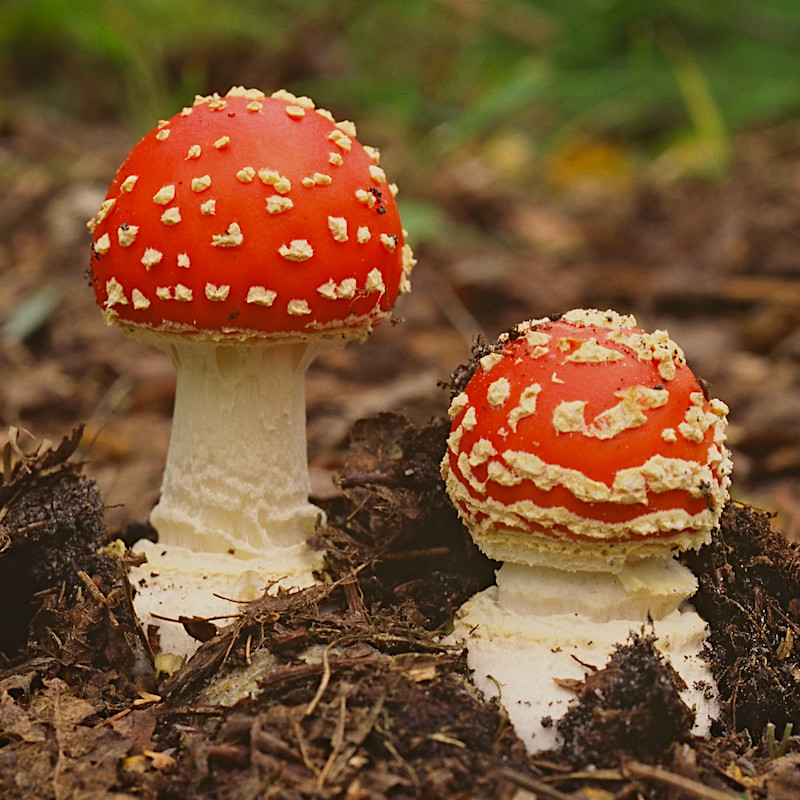
Fly Agaric
It’s the picturebook ‘pixie toadstool’ – and there’s lots of it about in the autumn. Look for it in woodland. Photo: © Natural England/Peter Wakely
-
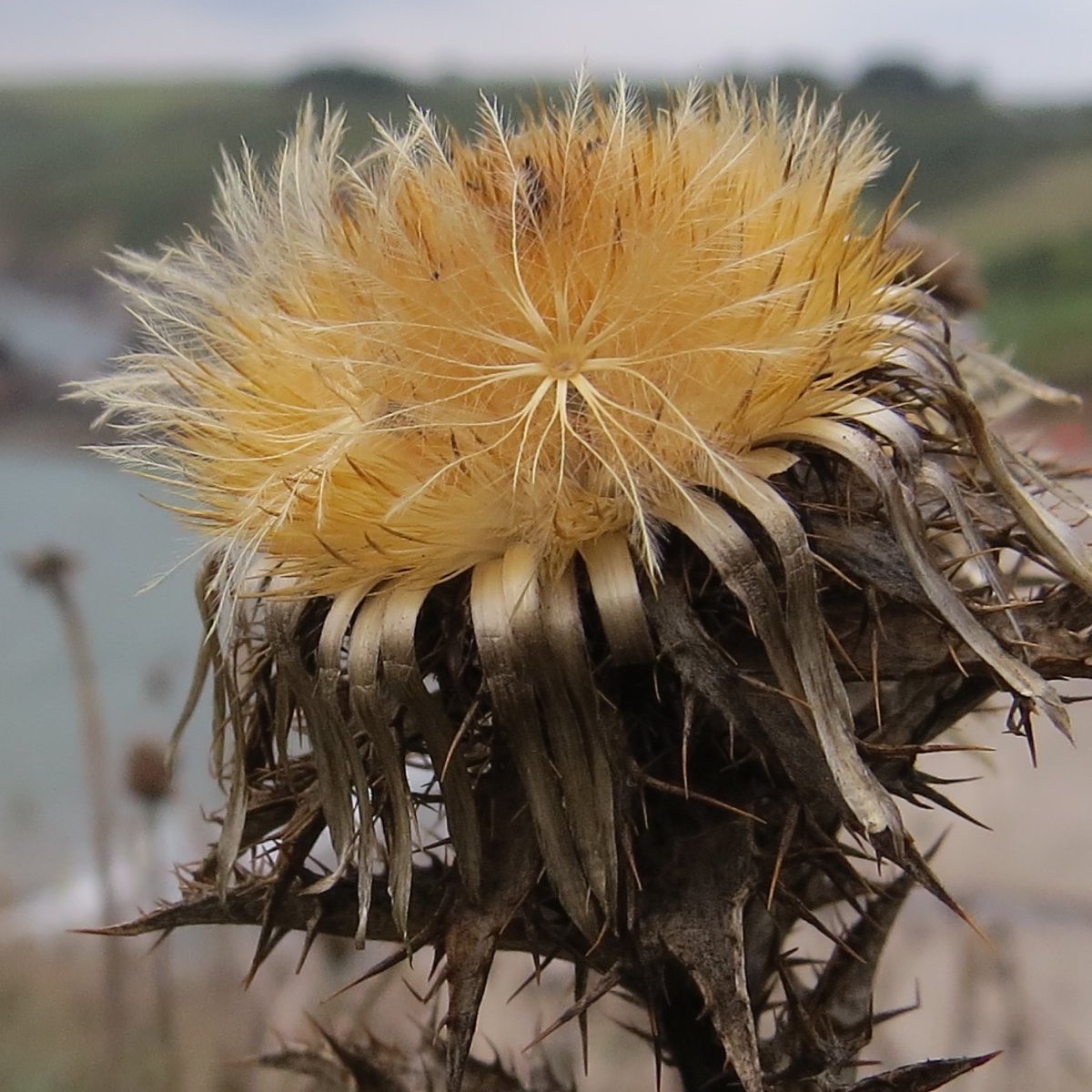
Carline Thistle
Late-flowering Carline Thistles bring a touch of gold to the early autumn landscape at Kennack Sands. The dry flowerheads persist through the winter. Photo: Steve Townsend
-

Barn Owl
Also known as the Ghost Owl, this nocturnal bird of prey can sometimes be seen hunting during the day. An early evening or dusk walk through the National Trust’s Penrose estate or Windmill Farm may well be accompanied by a Barn Owl’s screeching, or perhaps even a glimpse of its ghostly flight. Photo: © Richard Birchett
-

Broad-bodied Chaser
Windmill Farm is a haven for dragon- and damselflies, including species such as this Broad-bodied Chaser. Photo: © Natural England/Allan Drewitt
-
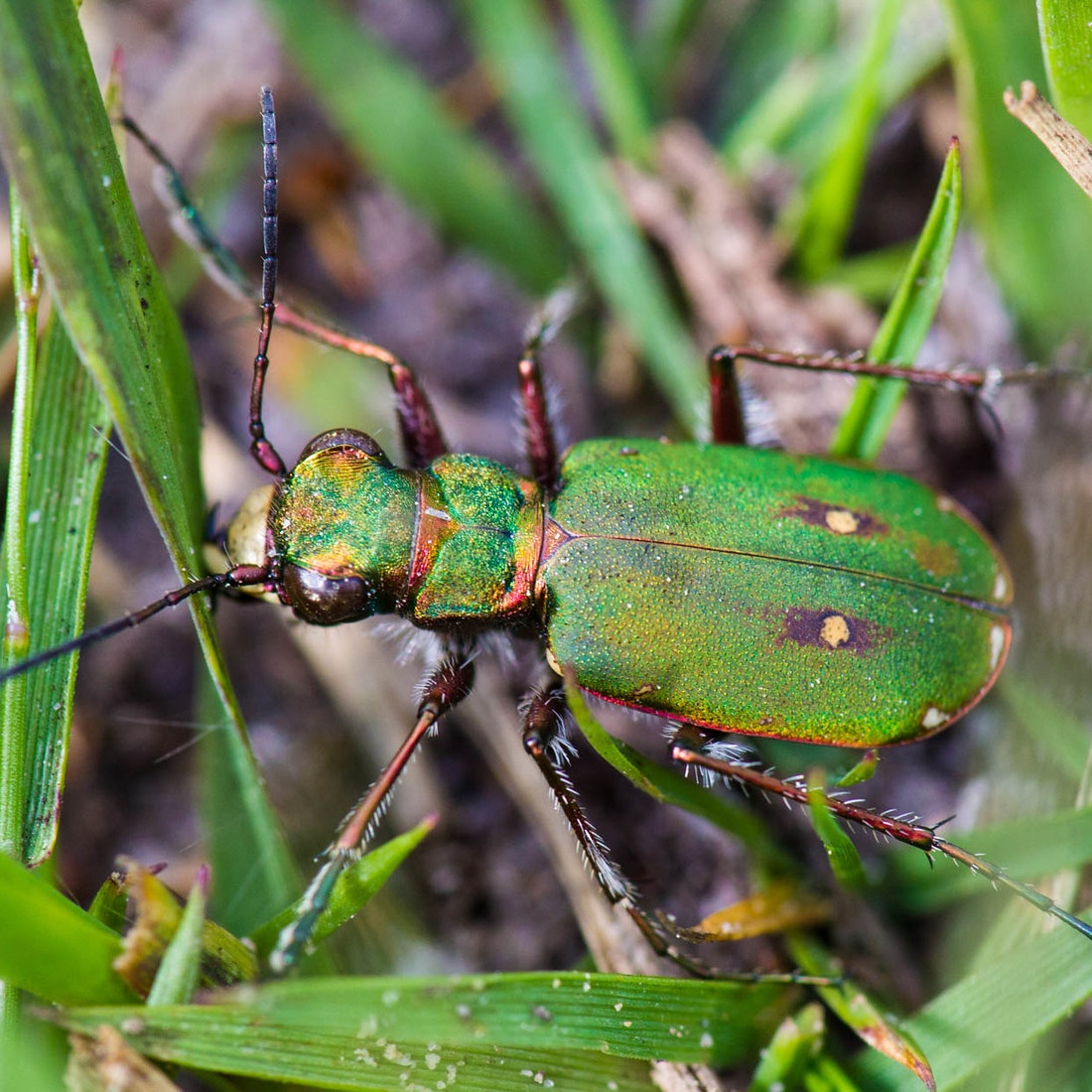
Green Tiger Beetle
This might be our commonest tiger beetle, but its metallic green hue and long-legged bursts of speed make it a delight to see in the spring and summer. Photo: © Natural England/Allan Drewitt
-

Firecrest
A flash of fiery bronze – watch out for flocks of beautiful Firecrests in the spring.Photo: © Richard Birchett
-
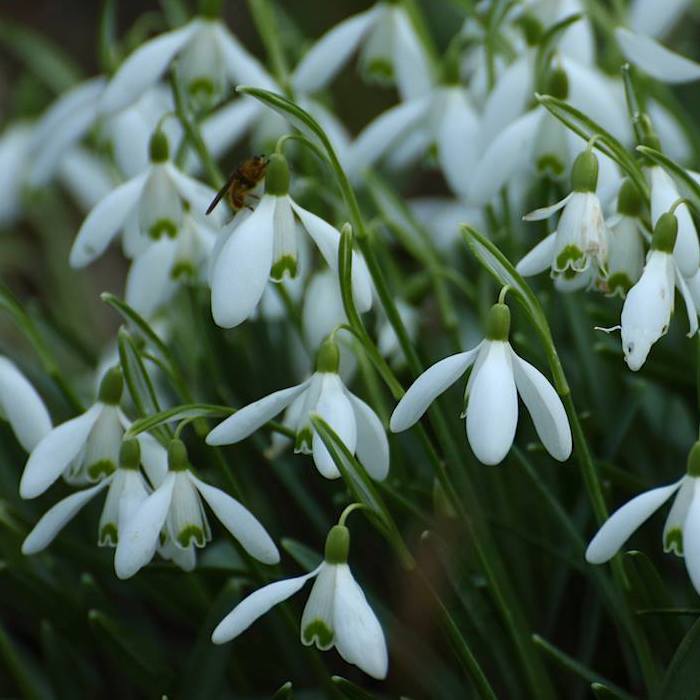
Snowdrops
In February, the weather might still be cold and blustery, but snowdrops, the early heralds of spring, are already poking out their gleaming white heads. Photo: Amanda Scott