
Author: Amanda Scott
-
Willow woes
During the summer of 2023 there was a subtle but significant browning of the leaves on some of the Grey Willow, Salix cinerea, in the willow carr (wet woodland) at Penrose. Although noticeable we were unable to get to the bottom of the issue then. However, this year the browning leaves have returned with a vengeance…
-
Back to the future: restoring threatened metapopulations on the Lizard Peninsula – update, August 2024
A progress update on The Lizard’s Species Recovery Programme-funded project Following our busy winter period of habitat management work across the west of the Lizard, we learnt in March 2024 that we had been successfully awarded Species Recovery Programme (SRP) funding to continue our Back to the Future Lizard SRP Project into a second year. This funding…
-

Common Bird’s-foot Trefoil
If you ever wondered how Bird’s-foot Trefoil got its name, you have to wait for the seedpods to appear. Photo: Amanda Scott
-
Nature recovery on The Lizard
The following is the text of a National Trust press release, issued on 27/3/2024, reporting on a landscape-scale project to conserve rare species on The Lizard, funded by Natural England’s Species Recovery Programme. Nature recovery on the Lizard is working from the ground up Down on the Lizard, in deepest Cornwall, a landscape-scale coastal project…
-
Update February 2024: Back to the future: restoring threatened metapopulations on the Lizard Peninsula
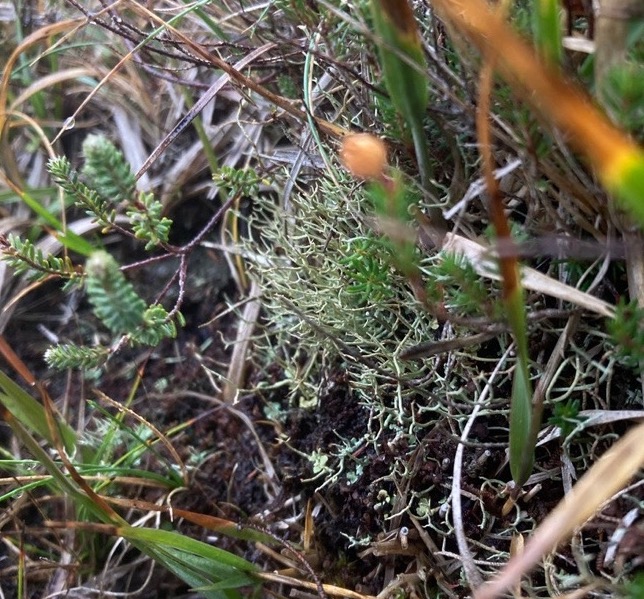
A progress update on The Lizard’s Species Recovery Programme-funded projectFebruary 2024 Over the winter period, the focus of our Species Recovery Programme within The Lizard NNR, Back to the Future: restoring threatened metapopulations on the Lizard Peninsula, has been habitat management works. This follows completion of various vegetation, vascular plant, lichen and bryophyte surveys that have been…
-
Wildlife Groundswell: swift and bat box making
Wildlife Groundswell and Cornwall National Landscape organised two workshops on the 9th and 10th February 2024 to make swift and bat boxes. Both days were great fun and productive – thanks to all the volunteers! Putting up the Swift boxes They now want to get on with putting up the swift boxes before the swifts…
-
Funding received for the National Trust’s Lizard Rarities Project
The Lizard is one of the most biodiverse areas in the country, renowned for unique assemblages of vascular plants, bryophytes and lichens – many of which are confined to the Lizard. However, despite the Lizard retaining large areas of semi-natural habitat, many of these species are in decline due to the impacts of climate change,…
-
Back to the future: restoring threatened metapopulations on the Lizard Peninsula
Species Recovery Programme 2023/2024 The Natural England National Nature Reserve (NNR) team on The Lizard in Cornwall have been successful in securing £216k of Species Recovery Programme funding to support the recovery of a suite of rare species on the Lizard Peninsula. The Lizard has been famed amongst naturalists, and especially botanists, since the late…
-
The story of The Lizard’s Choughs
Choughs are among the most iconic birds of The Lizard. Locals and visitors alike love to see them, feeding in the short turf of the coast or soaring in the air on outstretched wings, red legs and red bills bright against their black feathers. It’s hard to believe that they were absent from The Lizard’s…
-

Nightjar
Summer visitors to the UK, the churring call of the male nightjar is an iconic sound of warm heathland evenings. Photo: © Natural England/Allan Drewitt
-
Flora of The Lizard in summer
A small selection of some of the wonderful plants you are likely to spot in the summer in some of the different habitats across The Lizard.
-
History in the landscape
Wild it may be, but humans have played their part in creating the heathland landscapes of The Lizard, from prehistory to the Second World War buildings of Goonhilly Downs and present-day sustainable farming and grazing practices. The land has been shaped by people, and they have left traces of their passing on the land. On…
-
Birds and other animals
The Lizard is a special place for birdwatchers. There are many resident species to see – from the iconic red-legged, red-billed Chough to soaring Skylarks. The Lizard’s southerly location on the mainland also means that passage migrants pass overhead in autumn and spring, many stopping off before the embarking on the next stage of their…
-
Botanical riches
The Lizard is one of the most botanically biodiverse regions in the UK. Why? Well, to a large part because The Lizard has a unique geology. Large areas comprise a serpentine base rock – which is metamorphic and basic (alkaline) – overlain by neutral to acid heathland, while elsewhere igneous rocks lie beneath more fertile…
-

Blackcap
We are more used to seeing Blackcaps in the summer months, but increasing numbers now overwinter in the UK. Photo: Ron Knight (via Wikimedia Commons)