
Author: Amanda Scott
-
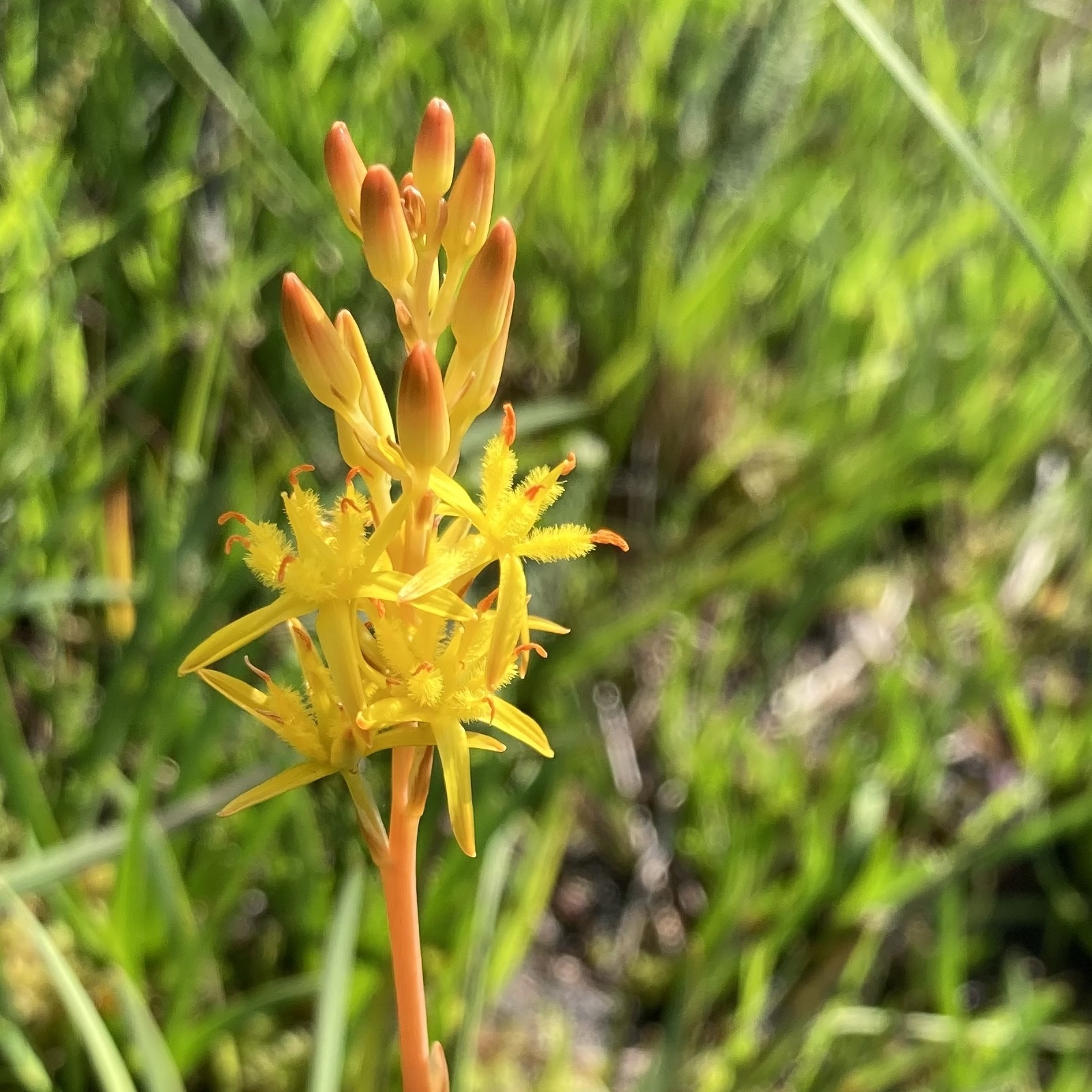
Bog Asphodel
This bright plant of boggy areas on the heathland puts on an amazing display in early summer. Photo: Amanda Scott
-
Dartmoor Pony
Dartmoor Ponies are a favourite breed for conservation grazing. You can find them on our East Cornwall National Nature Reserves. Photo: Debbie Sea-Kay
-
Sexton beetle
As spring arrives, we can look forward not only to budding flowers, but also to insects, like this Sexton beetle, greeting another year. Photo: Debbie Sea-Kay
-
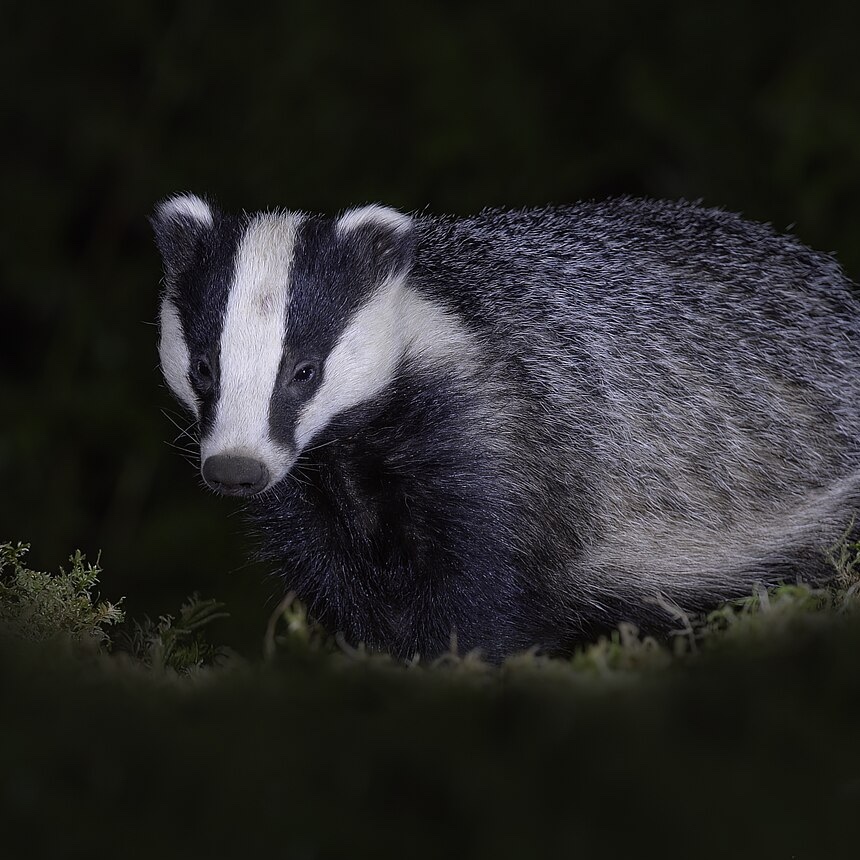
Badger
With its striking black and white striped head, the badger is one of our most instantly recognisable mammals. Photo: Caroline Legg, CC BY 2.0, via Wikimedia Commons
-

Pallas’s Warbler
This autumn and winter visitor to The Lizard was hanging out at Coverack’s sewage works in early 2019. Photo: Dougy Wright
-
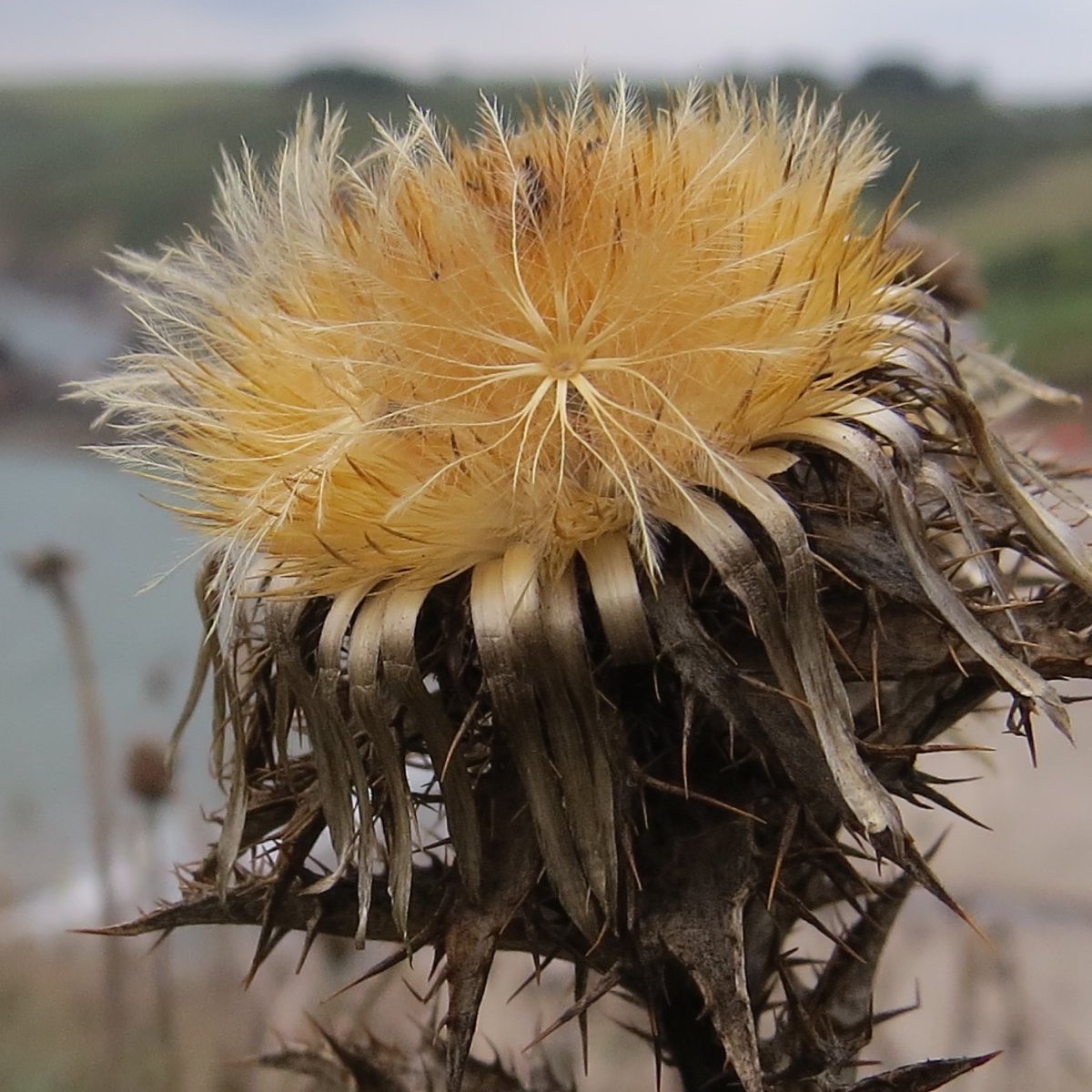
Carline Thistle
Late-flowering Carline Thistles bring a touch of gold to the early autumn landscape at Kennack Sands. The dry flowerheads persist through the winter. Photo: Steve Townsend
-

Glossy Ibis
This beautiful wader used to be considered a vagrant, but is becoming a more common, if still occasional, migratory visitor. Croft Pascoe Pool, on Goonhilly Downs is a good place to spot one. Photo: Charles J. Sharp, CC BY-SA 4.0, via Wikimedia Commons
-

Barn Owl
Also known as the Ghost Owl, this nocturnal bird of prey can sometimes be seen hunting during the day. An early evening or dusk walk through the National Trust’s Penrose estate or Windmill Farm may well be accompanied by a Barn Owl’s screeching, or perhaps even a glimpse of its ghostly flight. Photo: © Richard Birchett
-

Broad-bodied Chaser
Windmill Farm is a haven for dragon- and damselflies, including species such as this Broad-bodied Chaser. Photo: © Natural England/Allan Drewitt
-
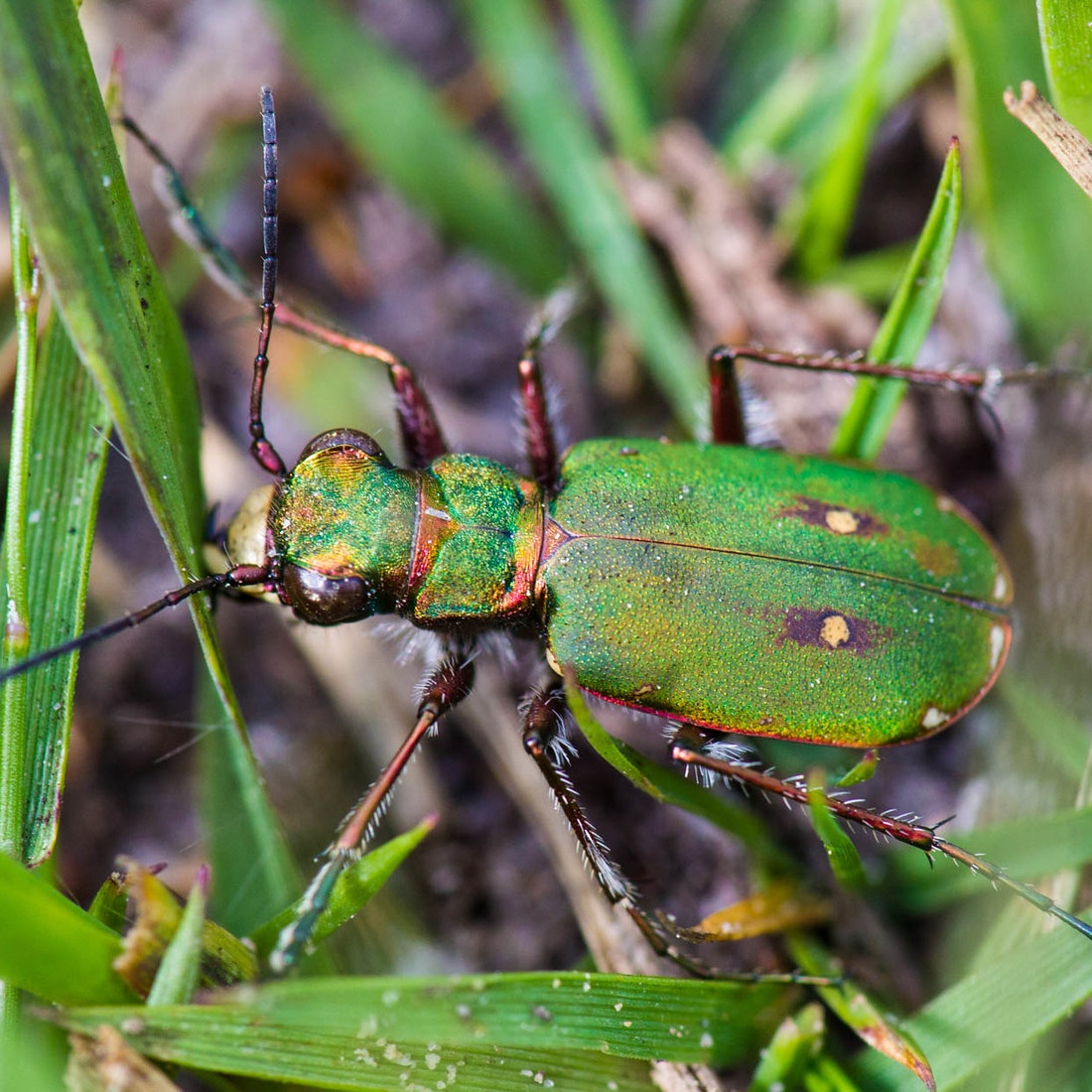
Green Tiger Beetle
This might be our commonest tiger beetle, but its metallic green hue and long-legged bursts of speed make it a delight to see in the spring and summer. Photo: © Natural England/Allan Drewitt
-

Firecrest
A flash of fiery bronze – watch out for flocks of beautiful Firecrests in the spring.Photo: © Richard Birchett
-
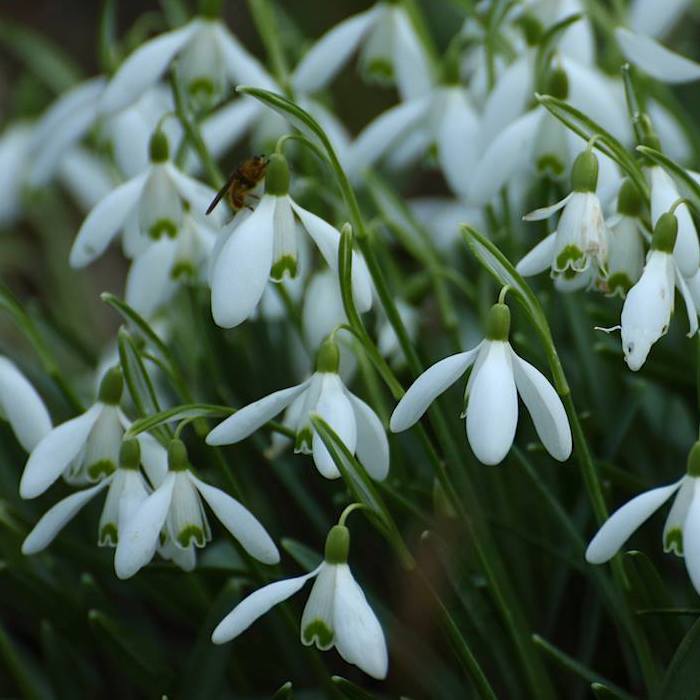
Snowdrops
In February, the weather might still be cold and blustery, but snowdrops, the early heralds of spring, are already poking out their gleaming white heads. Photo: Amanda Scott
-
Exmoor Pony
This tough pony is another of our hard-working grazers, helping to conserve the heathland and coastal habitats of The Lizard. Photo: Steve Townsend
-
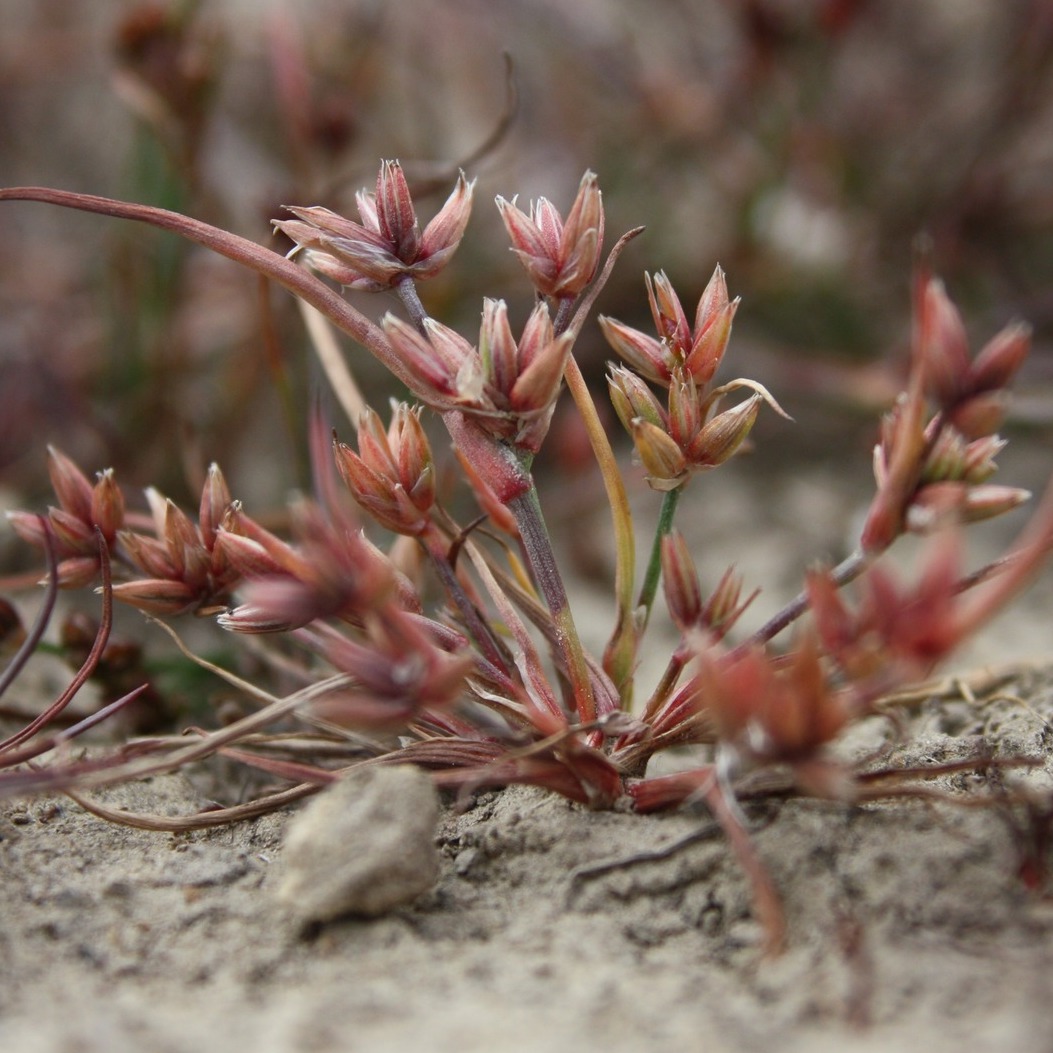
Pigmy Rush
In the early days of summer, look out for diminutive, pink-flushed Pigmy Rush along the ancient trackways of The Lizard. Photo: Amanda Scott
-
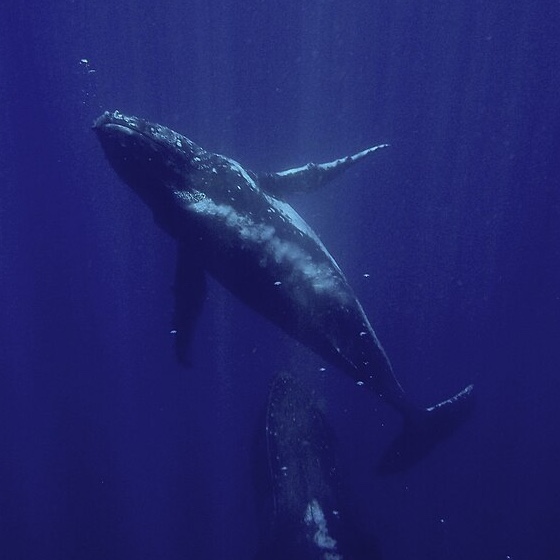
Humpback Whale
You never know – you may, with a pinch of luck, spot a Humpback Whale off The Lizard’s coastline over the autumn and winter months.Photo: Sylke Rohrlach, CC BY-SA 2.0, via Wikimedia Commons
-
Highland Cattle
The hardiness of this distinctive breed makes it an excellent choice for conservation grazing. Photo: Steve Townsend