
Author: raysurridge
-

Lesser Celandine
The bright buttery glint of Lesser Celandine in the hedgerows and fields is a welcome early sign of spring. Photo: Amanda Scott
-

Three-lobed Crowfoot
This speciality of muddy tracks and ruts on The Lizard starts to show its delicate, tiny white flowers in February and March. Photo: Amanda Scott
-

Dog’s Mercury
Found mainly in woodlands and hedgerows, Dog’s Mercury is far from showy, but is distinguished by being one of the earlier plants to flower each year. Photo: Krzysztof Ziarnek, Kenraiz, […]
-
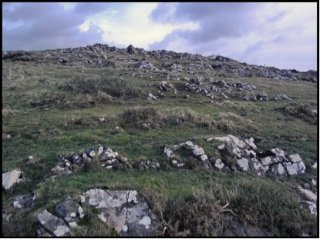
Championing the Lizard’s rare liverworts
The Lizard is justly recognised as a hotspot for mosses and liverworts, as much as it is for rare clovers, rushes and wild asparagus. This article explains more and highlights an […]
-
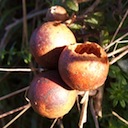
Oak Marble Gall
Oak Marble Galls, common on oak trees, are created by a parasitic gall-wasp. Photo: AnemoneProjectors, CC BY-SA 2.0, via Wikimedia Commons
-

Land Quillwort
Look out for the ‘Catherine Wheel’ leaf rosettes of Land Quillwort between autumn and spring, a plant that, in mainland Britain, is only found on The Lizard. Photo: Steve Townsend
-

Winter Heliotrope
This winter-flowering, vanilla-scented plant of waste places and roadsides is not native to Britain, but is a valuable source of nectar for emerging insects in the earliest days of spring. […]
-
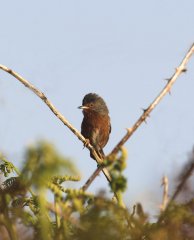
Dartford Warbler (article)
This small, dark, long-tailed warbler is a resident breeder in the UK but in low numbers. It has suffered in the past from severe winters: its population crashed to a […]
-

Rook
Rooks, familiar across the British countryside, also have an important place in our folklore. Photo: © Natural England/Allan Drewitt
-
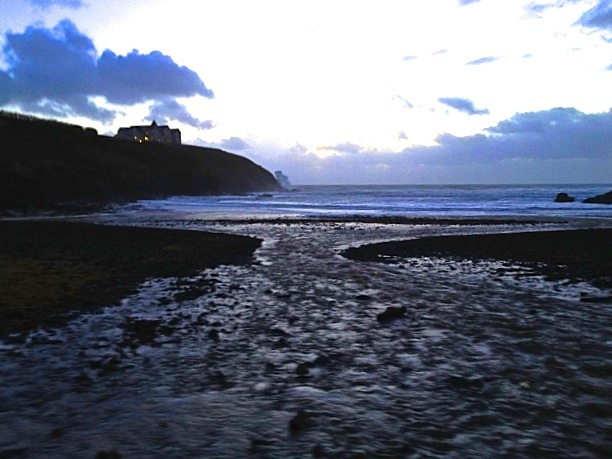
Sand dunes: unsung heroes of coastal defence
Visitors to Poldhu Beach might be shocked to discover that much of the sand has disappeared following the storms and high seas at the beginning of January, unveiling a very […]
-
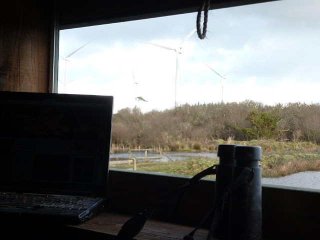
The Lizard’s Wildlife Web
The Word Wide Web is increasingly becoming a wonderful medium to help wildlife spotting and for sharing information. Obviously there is nothing quite like getting out there and immersing yourself […]
-

Sea Campion
Sea Campion, a flower of early to mid-summer, flowers into the autumn on The Lizard’s clifftops. Photo: Amanda Scott
-

Mute Swan
Watch for graceful Mute Swans on The Lizard. The creeks of the Helford River are a good place to look. Photo: © Amanda Scott
-
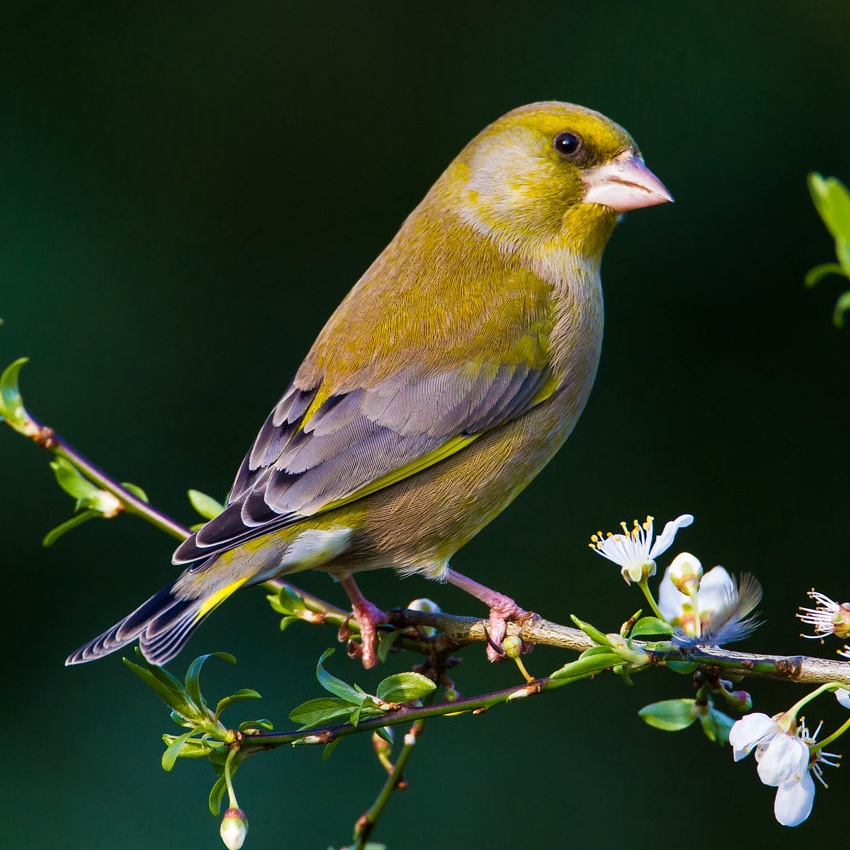
Greenfinch
If you feed your garden birds, you probably won’t need to go far to see Greenfinches, a regular garden visitor, on The Lizard. Photo: © Natural England/Allan Drewitt
-
Turnstone
The UK hosts an important overwintering population of Turnstones. Watch out for them on rockier shores round the Lizard coastline. Photo: © Natural England/Allan Drewitt
-
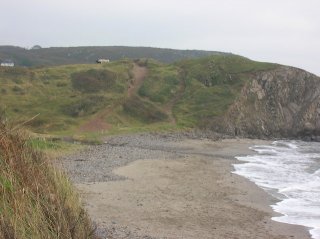
Kennack Towans: restoration of a dune
The many thousands of locals and visitors alike which stream onto Kennack Sands during the Spring and Summer months may well be unaware that a National Nature Reserve backs onto […]