
Author: raysurridge
-
Wilding Guidlines
Things we can ALL do# Mow less often – allow Buttercups, Daisies, Dandelions and Clovers to flower, even if only a patch.# Avoid using pesticides and artificial fertilisers# Leave a corner/ area wild for nature – try to do nothing to it.# Build a log pile or spindly prunings pile for wildlife and bugs to…
-
Groundswell aims
1) Increasing BiodiversityThrough the joined action of the community of the people who live on The Lizard, we hope to stimulate and encourage wildlife. We will try to bring together the existing actions of farmers, The National Trust, National England, Cornwall Wildlife Trust, other organisations such as Bug’s Life, and the community of residents, to…
-

Cinnabar
Cinnabar moths are on the wing from mid-May to early August, and their yellow and black banded caterpillars munch on Ragwort through the summer. Photo: Amanda Scott
-
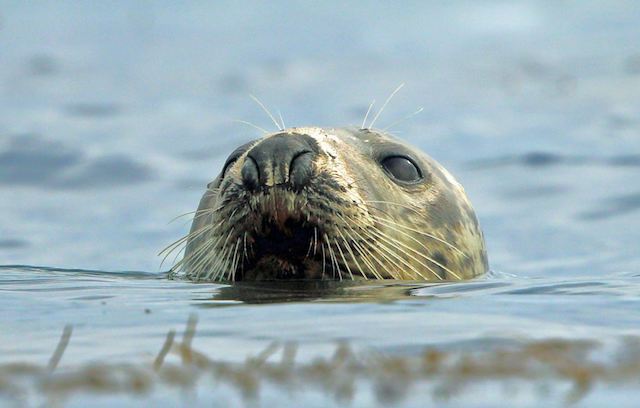
Do not disturb! Watch seals well – admire from a distance
The Lizard natural attractions are its wild coastlines and amazing marine life, including our globally rare grey seals. A glimpse of a seal makes a holiday. In Cornwall this summer, disturbance hit record levels with seals at one site being subjected to 10 stampedes caused by walkers in 70 minutes and 13 boat visits in…
-
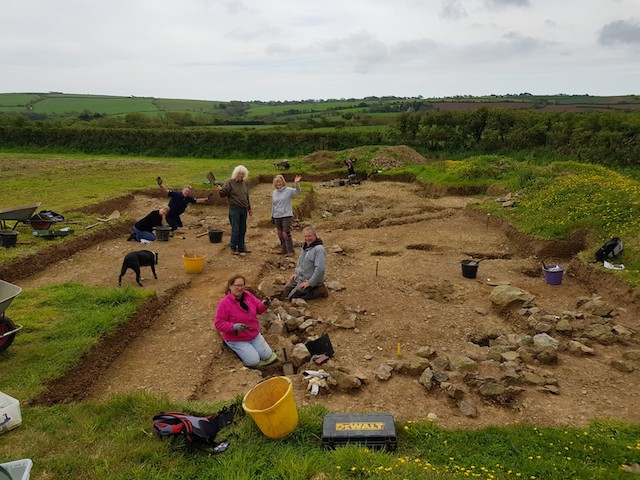
Romano-British settlement at Boden, near Manaccan
Meneage Archaeology Group – The excavation of a Romano-British settlement at Boden, near Manaccan. Following the excavation of an Iron Age fogou and Bronze Age house MAG are currently focussing their attention on two areas of apparent Romano-British date, where finds suggest activity between circa AD50 – AD200. Chronology is tentative at this stage, pending…
-
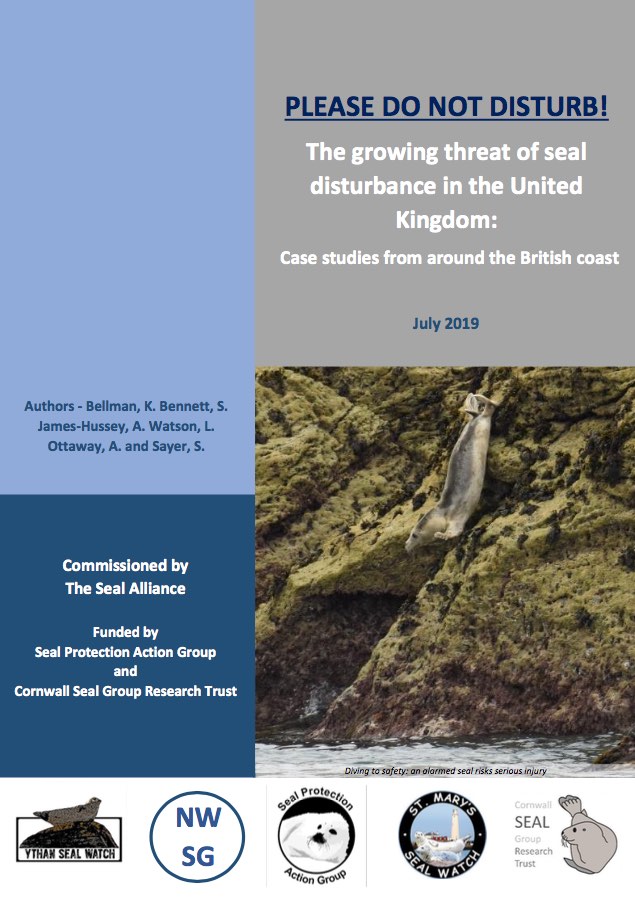
Do not disturb! The growing threat to our seals
For local residents and the many visitors to The Lizard, the chance to see our seals swimming and diving, or hauled out on the rocks is one of the many wildlife delights. Seals are however very vulnerable to disturbance – you should always give them space and observe from a distance – use binoculars if…
-
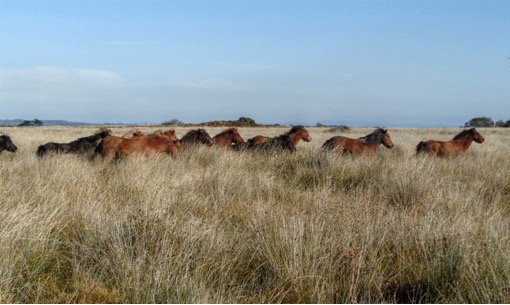
Conservation Ponies Part 2
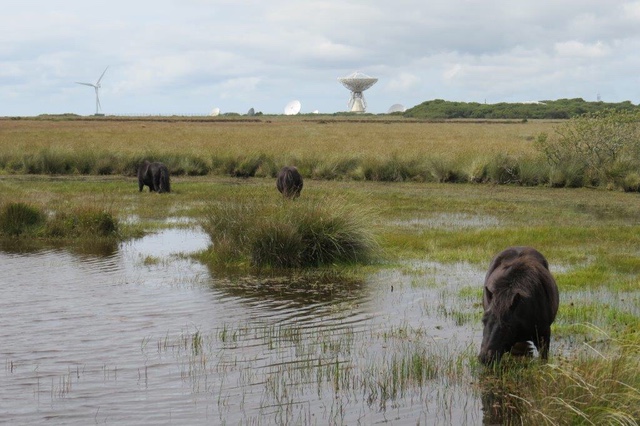
What is it? Benefits and Breeds What is it?Managing interesting landscapes in a low intensive way to encourage the wildlife and plants that these areas support. • Conservation grazing is livestock grazing that promotes biodiversity. • Many nature reserves are now managed using grazing animals.• Due to their typically hardy and thrifty nature, our…
-
Conservation Ponies Part 1
History For many people the bleak looking downs and moors of the Lizard are iconic parts of its landscape.Due to their wild appearance it is easy to imagine the downs and moors simply as natural landscapes, but their character has in part been formed, and maintained, by thousands of years of human activity, principally through…
-
The Crawfish Comeback
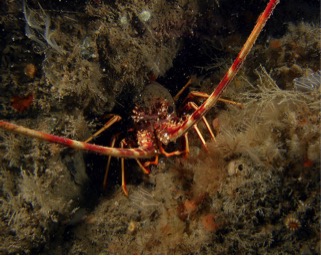
Waters around the Lizard appear to be playing an important role in the recovery of an iconic crustacean from a population crash that threatened it with near-extinction in the 70’s and 80’s. Crawfish under a rock crevice. Credit: Natural England Crawfish are a warm water species that are at the northern limit of their distribution…
-
Fly Agaric
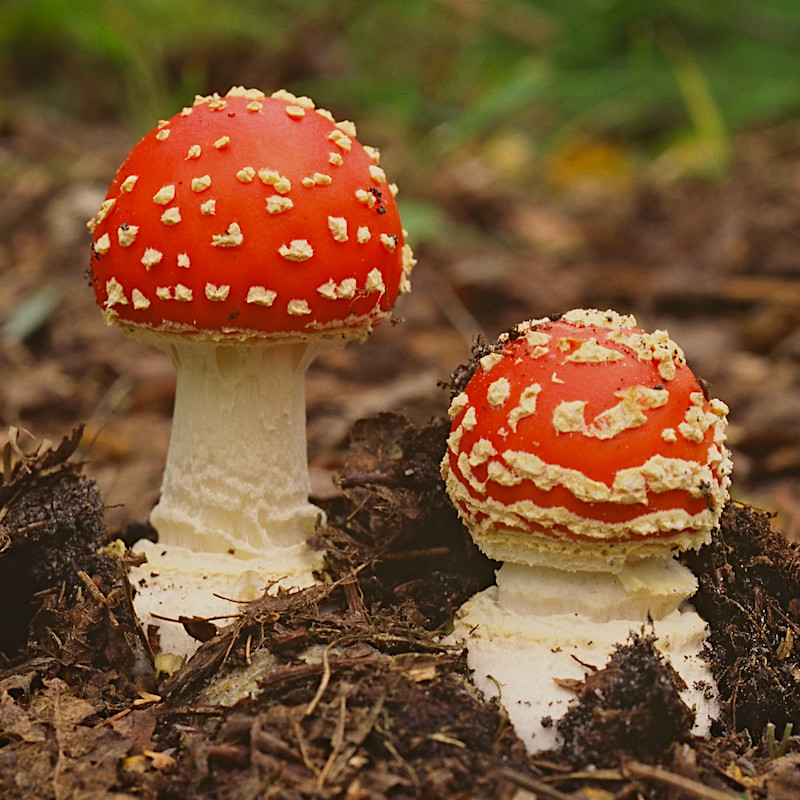
It’s the picturebook ‘pixie toadstool’ – and there’s lots of it about in the autumn. Look for it in woodland. Photo: © Natural England/Peter Wakely
-
Kennack Sands
-
Lowland Point (Coverack)
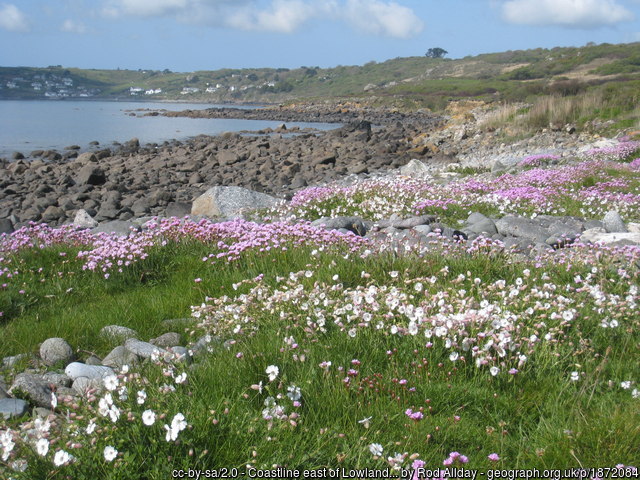
Mention The Lizard, and you may think of the wild west coast, with its serpentine cliffs and iconic coves, or the open expanse of heathland at Goonhilly. Delve a little deeper though and there are many less well known treasures waiting to be explored. One such place is Lowland Point, forming the northern edge of…
-
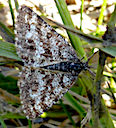
Common Heath
This day-flying moth species is on the wing in June across heathlands on The Lizard. Photo: Sarah Board
-
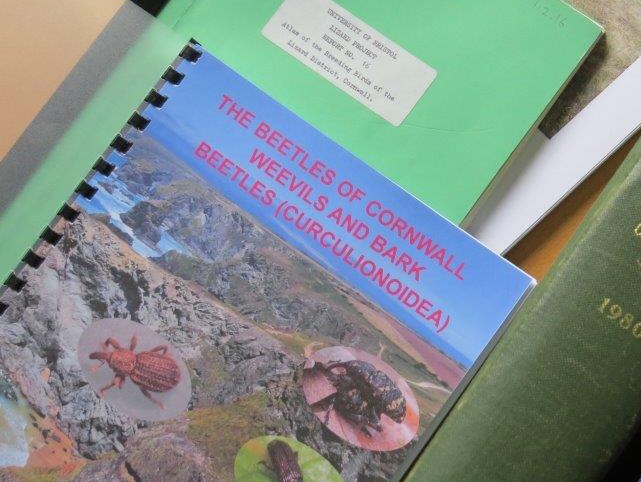
The Lizard Publications Reference Library
The Lizard is one of the most written about National Nature Reserves in the country. Its unique geology and flora have brought botanists, entomologists, ornithologists, and many other researchers and nature lovers, to walk its tracks and explore its heaths and coastlands. This website covers much information that has been borne of this interest in…
-
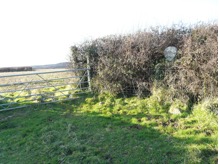
Lizard’s Cross Population
Not only has coastal erosion been whittling away at The Lizard peninsula but remnants of past civilisations are disappearing along with fireside tales and forgotten soliloquies. It is the often frustrated task of archaeologists to rescue artefacts and ideas from the vanished past and weave them into a pastiche of what might have been.A lament…
-
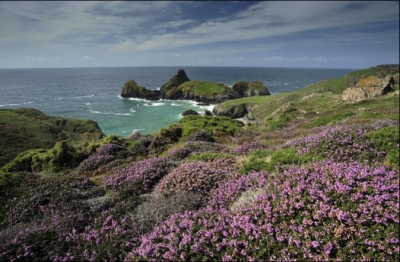
Digging beneath the surface – the importance of soils
Picture the stark landscapes synonymous with Cornwall; such as the purple heathers that contrast with the blue of the ocean below. I’ve included a beautiful reminder. This landscape is not only maintained by ungulate grazing, but is built upon the soil that not only holds so much life, but is vital to its continuation. The…