
Wild it may be, but the landscape of The Lizard has been shaped by people, and they have left traces of their passing that can still be seen today. You can explore a remote and atmospheric Neolithic village near Kynance or delight in the wide view of heathland from the roof of a Second World War radar station. There are ancient field boundaries alongside present-day sustainable farming and grazing practices, revealing a continuity from past to present and into the future.
It is important to care for this history – it’s a key part of what makes The Lizard so special – and staff and volunteers of the partners of Linking the Lizard have been involved in several projects, past and current. Explore this page to find out about the latest initiatives, places full of history to visit, and some background to the unique heritage of The Lizard.
Current and recent projects

Monumental Improvement Project
Our partners at Cornwall National Landscape have recently completed a five-year project to protect 40 scheduled monuments across Cornwall. The next two panels to the right and those in the row below link to information about the five exciting projects on The Lizard.
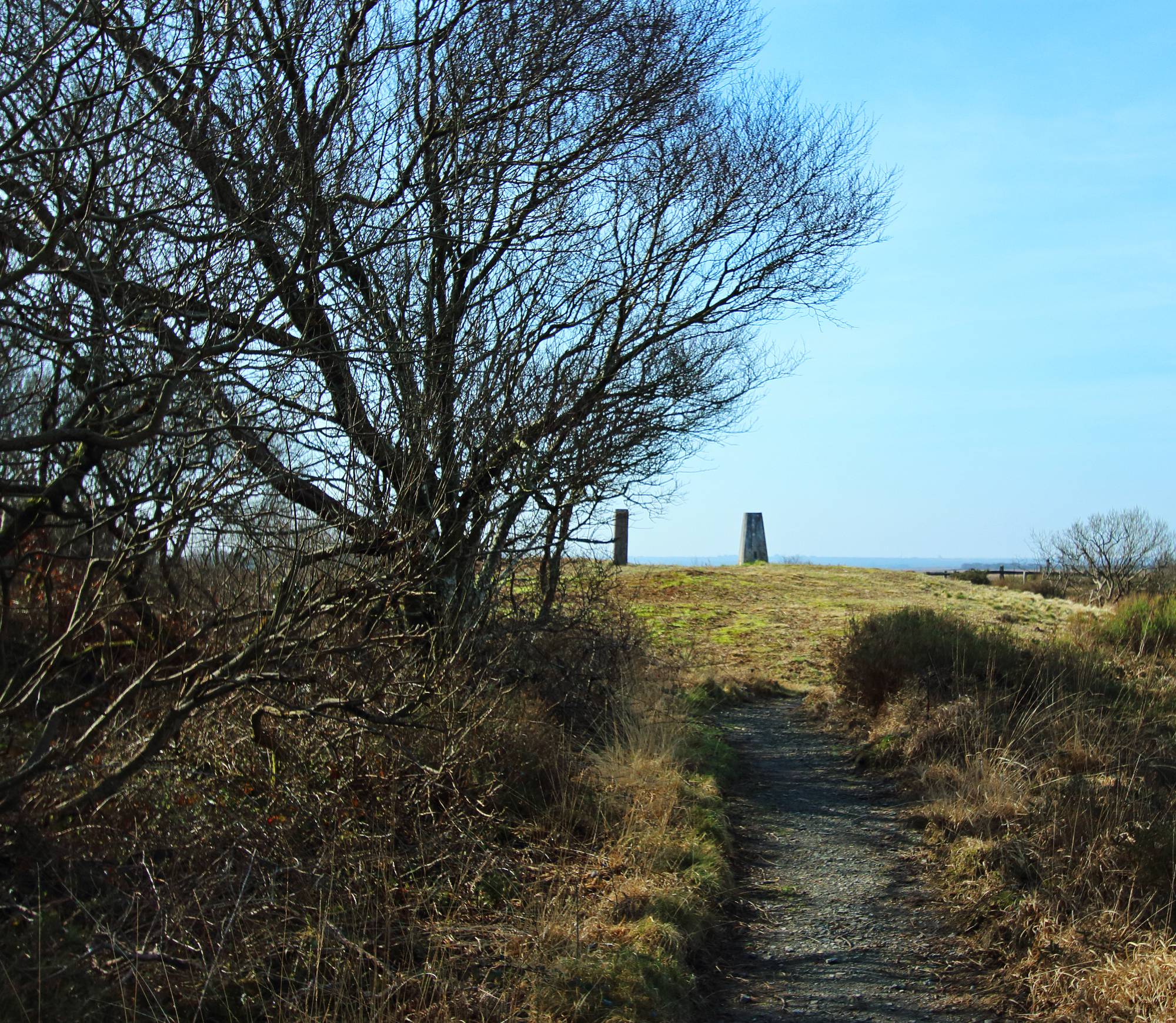
Goonhilly Barrows
These round barrows can be found across Goonhilly Downs. Included in Cornwall National Landscape’s Monumental Improvement Project, with funding from the Heritage Lottery Fund and others.
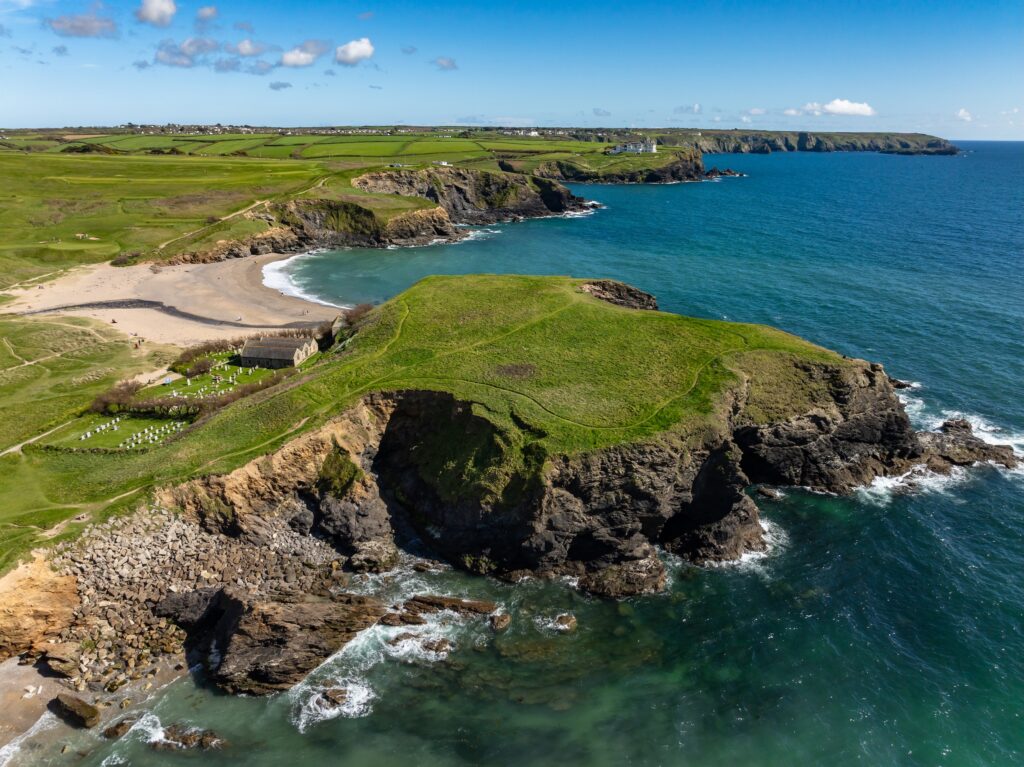
Gunwalloe Cliff Castle
This is an Iron Age promontory fort near Dollar Cove. In 2012, archaeologists identified the site as a constructed rampart. Included in Cornwall National Landscape’s Monumental Improvement Project, with funding from the Heritage Lottery Fund and others.
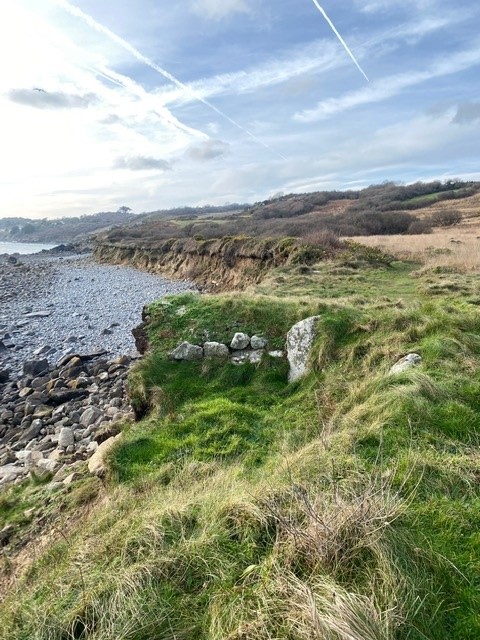
Trebarveth Settlement
You will find this gem of a site along the coast between Coverack and Lowland Point. Much is on private land, but on the coast you can find a Romano-British salt working site. Included in Cornwall National Landscape’s Monumental Improvement Project, with funding from the Heritage Lottery Fund and others.
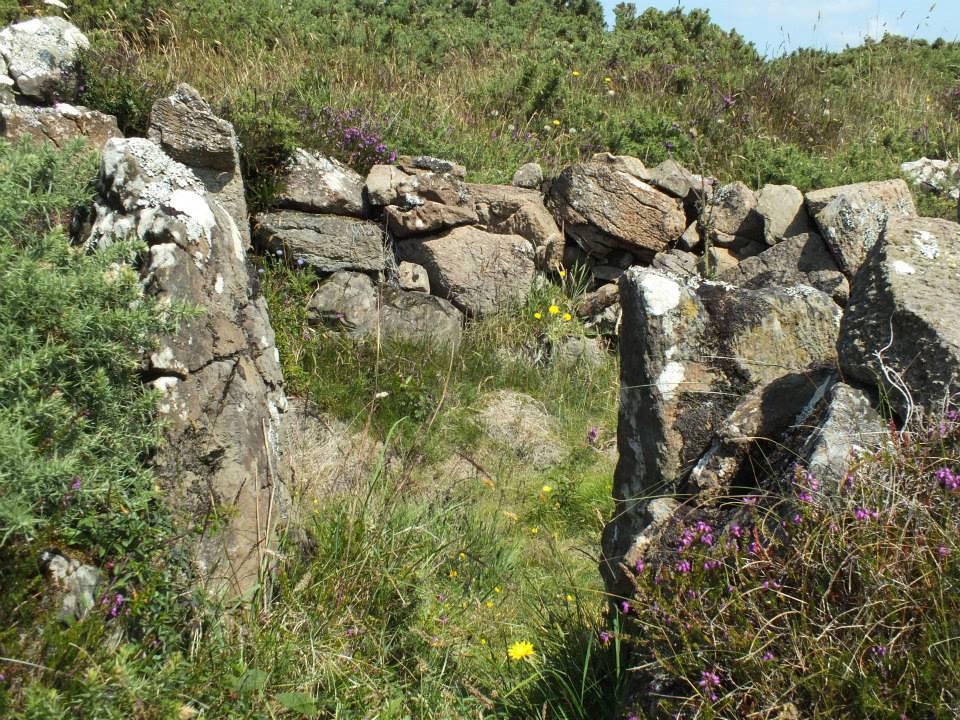
Kynance Gate
This ancient village, found in the heathland above Kynance Cove, comprises two groups of round houses. The settlement spanned the Bronze Age, Iron Age and Romano-British periods. Included in Cornwall National Landscape’s Monumental Improvement Project, with funding from the Heritage Lottery Fund and others.
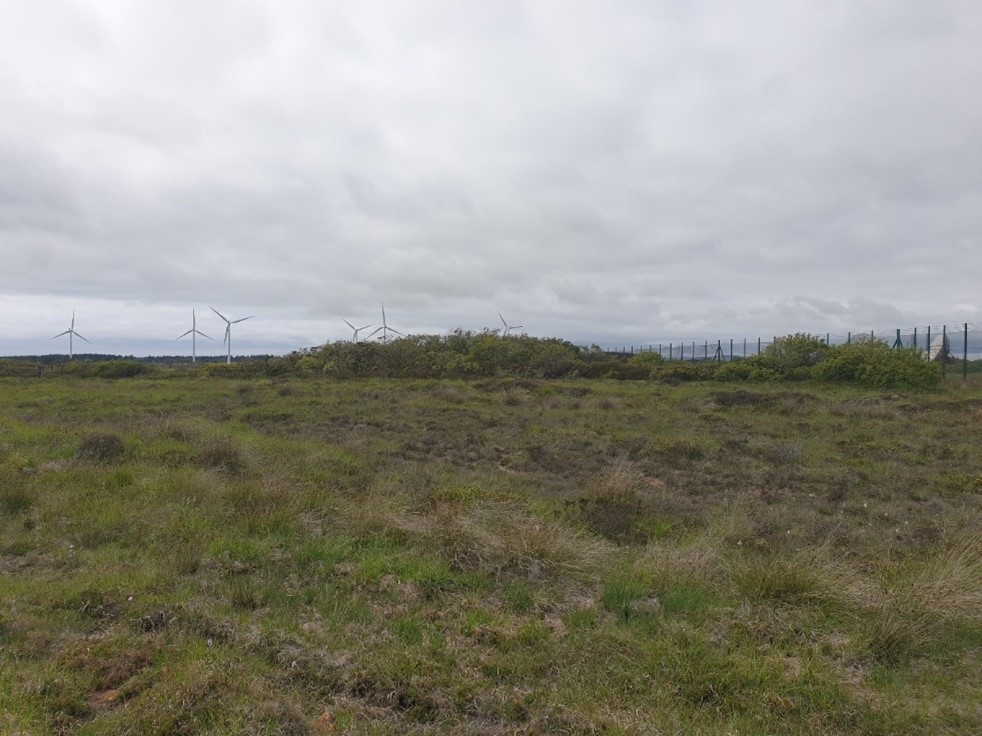
Dry Tree Barrow
This set of six Early Bronze Age barrows can be found on Goonhilly, not far from the satellite station. Dry Tree Barrow – a bowl barrow – is one of the largest in the group. Included in Cornwall National Landscape’s Monumental Improvement Project, with funding from the Heritage Lottery Fund and others.
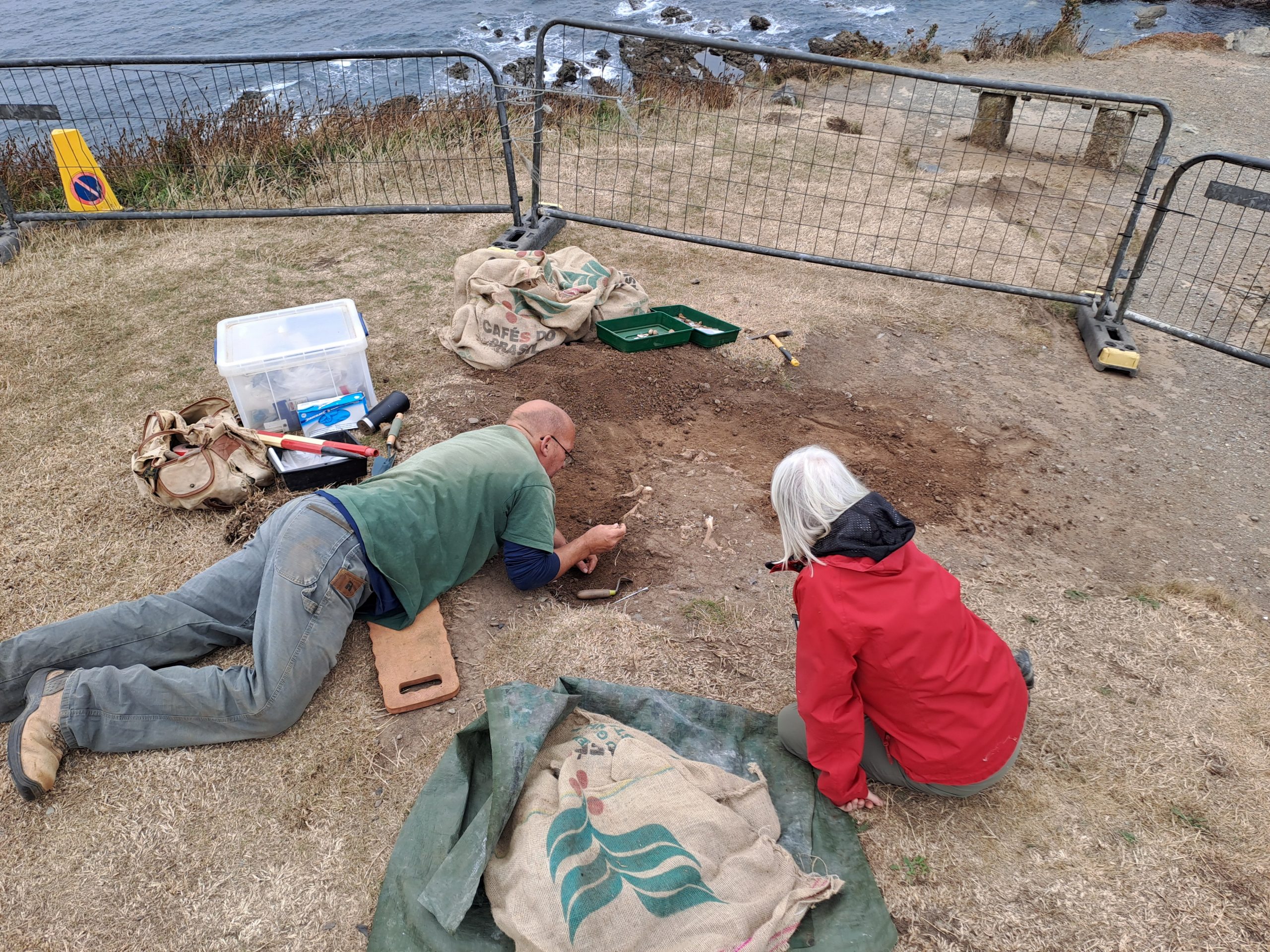
Exciting archaeological discovery
Find out about the historic bones and teeth discovered at Lizard Point earlier this year by a young visitor.
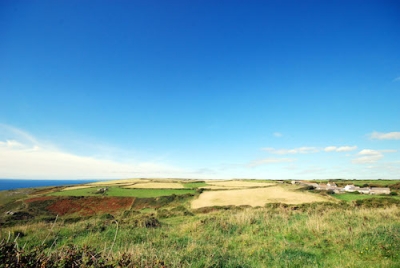
Boundary hedges
Many boundary hedges on The Lizard have followed the same pattern for centuries. Find out about the restoration of some of the hedge boundaries at Teneriffe Farm a few years ago.
History to visit
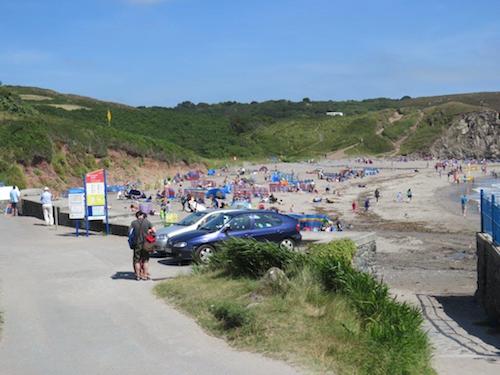
Kennack Sands
This popular beach isn’t just about sands and surfing! There’s a lot of history to explore as well, from shipwrecks to fishing to buildings of the Second World War.
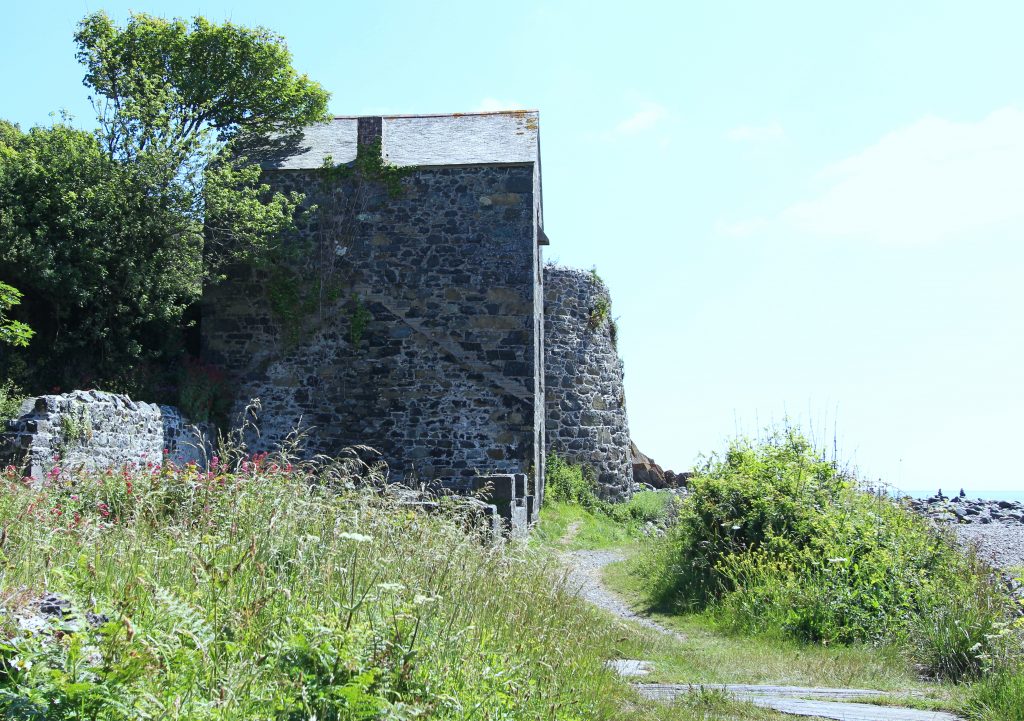
Poltesco
Discover mediaeval mills, a water wheel and a Victorian stoneware factory on this walk at Poltesco, and find the pebbly beach at Carleon Cove..
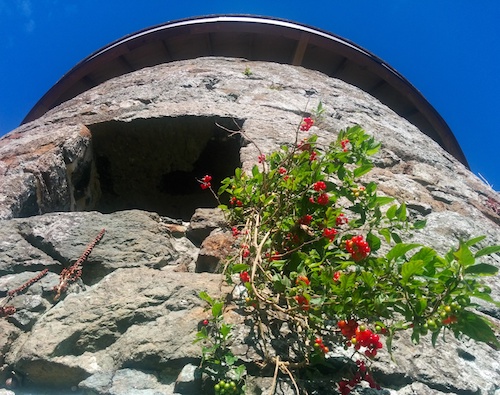
Windmill Farm
Known for its wildlife and flora, Windmill Farm has an actual seventeenth century windmill, as well as some World War Two buildings associated with nearby RAF Predannack.
Background
Landscape history
This article introduces the rich history and archaeology of The Lizard’s moors and downs.
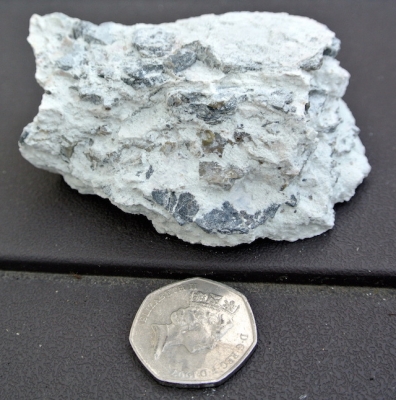
Soaprock and porcelain
The serpentine industry on The Lizard is perhaps more famous, but soaprock was also important economically in the eighteenth century.