
Mindblown: a blog about philosophy.
-
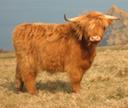
Highland Cattle
The hardiness of this distinctive breed makes it an excellent choice for conservation grazing. Photo: Steve Townsend
-
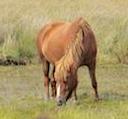
Shetland Pony
We might be at the other end of the land from the far northern isles, but you can still spot Shetland ponies on The Lizard, doing their bit for conservation. Photo: Steve Townsend
-

Black Bryony
Autumn is setting in, which means it’s almost berry season! You can look forward to Elder, Hawthorn, Holly, and the lovely but poisonous red berries of Black Bryony (pictured). Photo: © Natural England/Peter Wakely
-

Lesser Centaury
Look for for Lesser Centaury in summer and early autumn along coastal clifftops. Photo: Steve Townsend
-

Migrant Hawker
This dragonfly species is on the wing well into the autumn, and can often be seen away from the ponds where it breeds. Photo: Ray Surridge
-

Golden-haired Longhorn Beetle
This lovely and somewhat rare longhorn beetle species was spotted at Erisey Barton in July a few years ago. Photo: Sarah Board
-

Purple Hairstreak
This pretty butterfly is not uncommon, but hard to spot as it spends most of its time flying at the tops of oak trees. You might see one in July to August, when they occasionally come down to feed on bramble nectar; they have been seen at Erisey Barton on The Lizard. Photo: Sharp Photography (via…
-

Silver-washed Fritillary
The Silver-washed Fritillary is the largest of the UK Fritillaries. Look out for it at the height of summer, in July and August. Photo: Ray Surridge
-
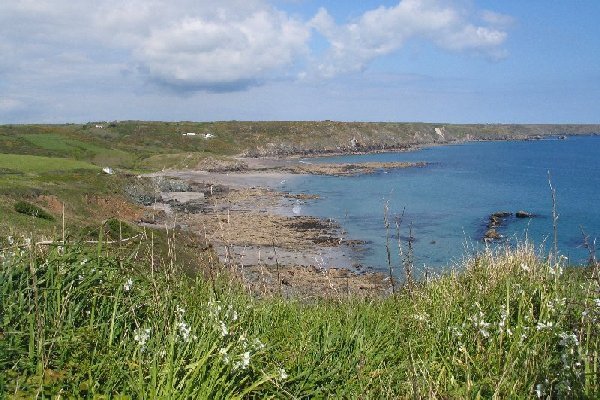
Life between the tides
In celebration of World Oceans Day (8th June), marine ecologist Caz Waddell delves into the exciting world of rocky shores and uncovers the extraordinary lives of rockpool creatures. Kennack Sands. Photo Simon Lewis www.westcountryviews.co.uk Spend some time rockpooling on any shore around the Lizard and you will almost immediately discover a wealth of fascinating plants…
-
Lizard Point – Beach
Polpeor Beach On the western side of the most southerly point a slipway makes it way down to the old lifeboat station and then on to Polpeor Beach. The beach itself is a small shingle beach that is completely covered at high tide. A small fleet of fishing boats launch from the beach. The…
-
Lizard Point – Heritage
Lizard Point: lifeboats and lighthouses Lizard Point, from the Cornish Lys Ardh meaning High Court, has a rich history including an abundance of maritime heritage. Famed as being the first location that the Spanish Armada was observed from mainland Britain in 1588, more recent history tells tales of shipwrecks and feats of bravery by…
-
Lizard Point – Wildlife
Lizard Point: rich in wildlife The most southerly point is home to an abundance of wildflowers and birdlife, whilst offering a haven for the Atlantic grey seals which live amongst the rocks just off the coast. The National Trust’s Wildlife Watchpoint, opened by volunteers April through September, offers a unique insight into the wildlife at…
-
Lizard Point – Geology
Lizard Point: continental collisions Lizard Point is a great place to discover how continents are created and for investigating the geology of The Lizard of The Lizard. The Lizard The southern part of the peninsula is a complex mix of serpentinite, schist, gabbro and granite. These rocks are over 600 million years old. The serpentine…
-
Lizard Point – Landing Page
Lizard Point is famed as being the most southerly point on the British mainland, but this is only one of the many reasons tens of thousands of visitors take in the fresh sea air here every year. Extraordinary cliffs and rock formations mixed with an abundance of wildflowers, birds and sealife mean there is never…
-
The Lizard – inspires literature
One of the great things about being a geographer is that it is an inherently interdisciplinary subject. Being a geographer is like having a passport and living in an intellectual world where there are no visa restrictions: you can roam wherever you please. My particular geographical interests have been shaped by a lifelong…
-

Woodchat Shrike
The Woodchat Shrike is a lovely species from further south that is an occasional vagrant to our shores. Photo: Dougy Wright
Got any book recommendations?