
Mindblown: a blog about philosophy.
-

Glossy Ibis
This beautiful wader used to be considered a vagrant, but is becoming a more common, if still occasional, migratory visitor. Croft Pascoe Pool, on Goonhilly Downs is a good place to spot one. Photo: Charles J. Sharp, CC BY-SA 4.0, via Wikimedia Commons
-
Kennack Sands
-

Barn Owl
Also known as the Ghost Owl, this nocturnal bird of prey can sometimes be seen hunting during the day. An early evening or dusk walk through the National Trust’s Penrose estate or Windmill Farm may well be accompanied by a Barn Owl’s screeching, or perhaps even a glimpse of its ghostly flight. Photo: © Richard Birchett
-
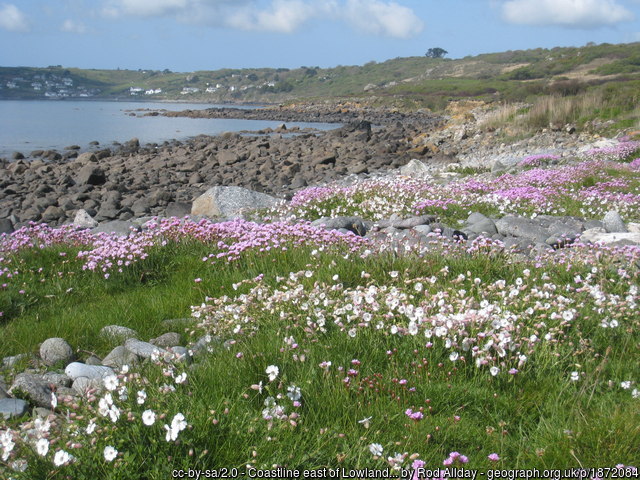
Lowland Point (Coverack)
Mention The Lizard, and you may think of the wild west coast, with its serpentine cliffs and iconic coves, or the open expanse of heathland at Goonhilly. Delve a little deeper though and there are many less well known treasures waiting to be explored. One such place is Lowland Point, forming the northern edge of…
-
Common Heath
This day-flying moth species is on the wing in June across heathlands on The Lizard. Photo: Sarah Board
-

Broad-bodied Chaser
Windmill Farm is a haven for dragon- and damselflies, including species such as this Broad-bodied Chaser. Photo: © Natural England/Allan Drewitt
-
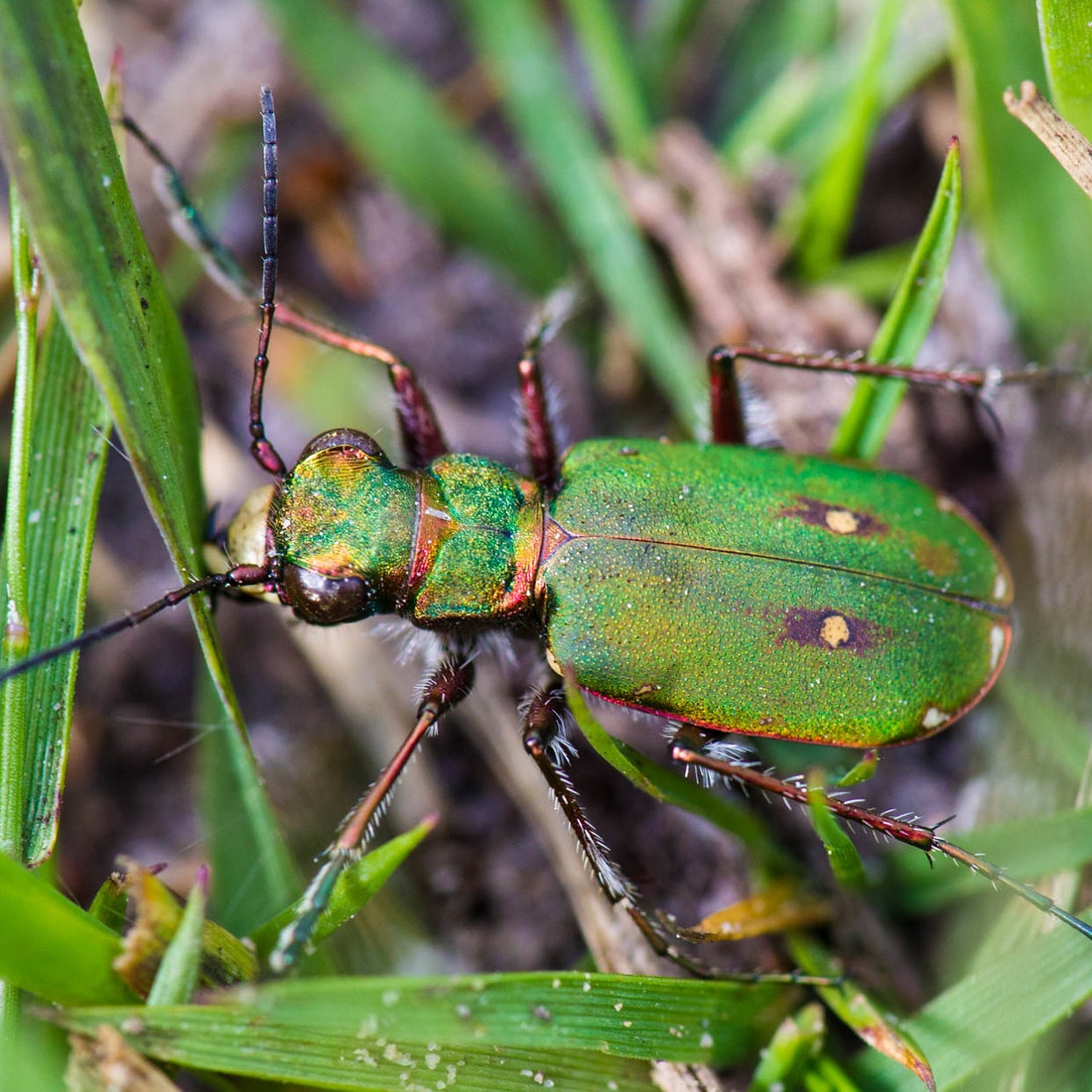
Green Tiger Beetle
This might be our commonest tiger beetle, but its metallic green hue and long-legged bursts of speed make it a delight to see in the spring and summer. Photo: © Natural England/Allan Drewitt
-

Firecrest
A flash of fiery bronze – watch out for flocks of beautiful Firecrests in the spring.Photo: © Richard Birchett
-
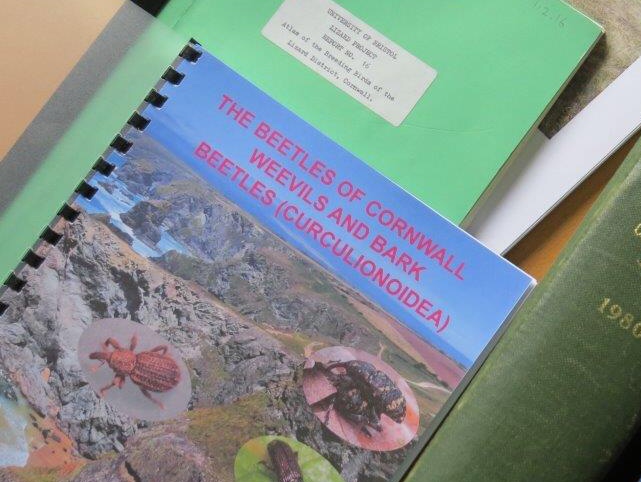
The Lizard Publications Reference Library
The Lizard is one of the most written about National Nature Reserves in the country. Its unique geology and flora have brought botanists, entomologists, ornithologists, and many other researchers and nature lovers, to walk its tracks and explore its heaths and coastlands. This website covers much information that has been borne of this interest in…
-
Lizard’s Cross Population
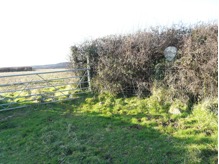
Not only has coastal erosion been whittling away at The Lizard peninsula but remnants of past civilisations are disappearing along with fireside tales and forgotten soliloquies. It is the often frustrated task of archaeologists to rescue artefacts and ideas from the vanished past and weave them into a pastiche of what might have been.A lament…
-
Snowdrops
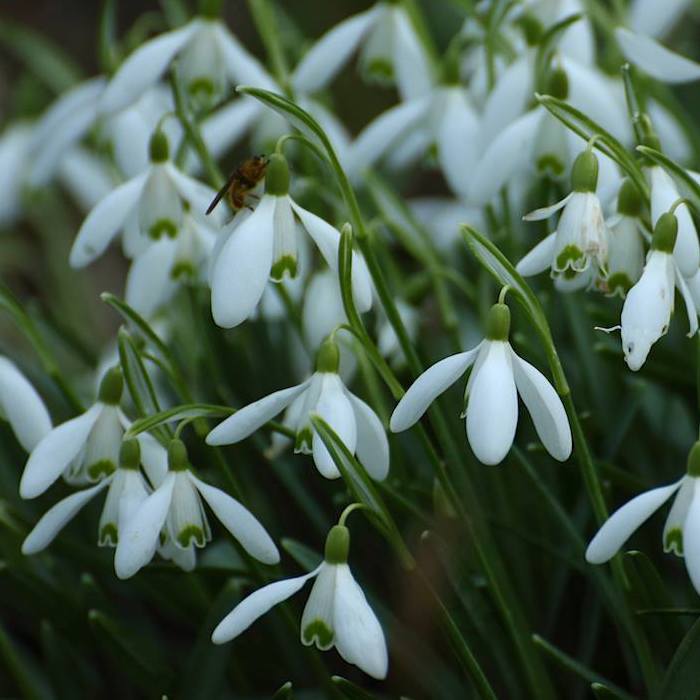
In February, the weather might still be cold and blustery, but snowdrops, the early heralds of spring, are already poking out their gleaming white heads. Photo: Amanda Scott
-
Digging beneath the surface – the importance of soils
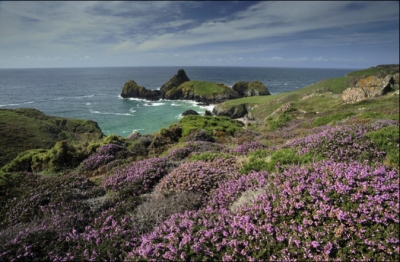
Picture the stark landscapes synonymous with Cornwall; such as the purple heathers that contrast with the blue of the ocean below. I’ve included a beautiful reminder. This landscape is not only maintained by ungulate grazing, but is built upon the soil that not only holds so much life, but is vital to its continuation. The…
-

Christmas and New Year Birding
When you are out and about, walking off the Turkey and mince pies (and wine), you may wish to keep your eye out for a few winter visitors to The Lizard. As with any season late autumn and early winter brings some different and often wonderful species onto The Lizard. Many species come south, migrating…
-
Exmoor Pony
This tough pony is another of our hard-working grazers, helping to conserve the heathland and coastal habitats of The Lizard. Photo: Steve Townsend
-
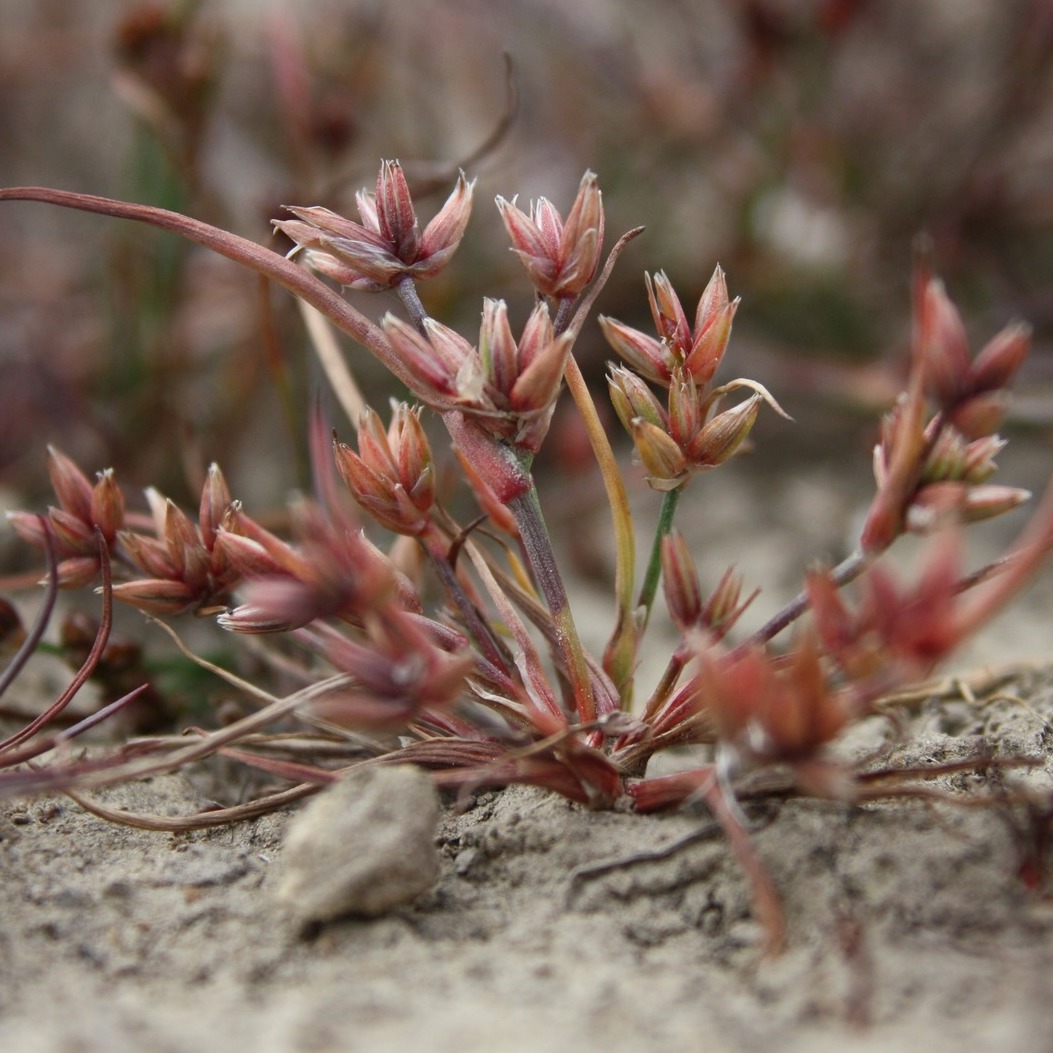
Pigmy Rush
In the early days of summer, look out for diminutive, pink-flushed Pigmy Rush along the ancient trackways of The Lizard. Photo: Amanda Scott
-
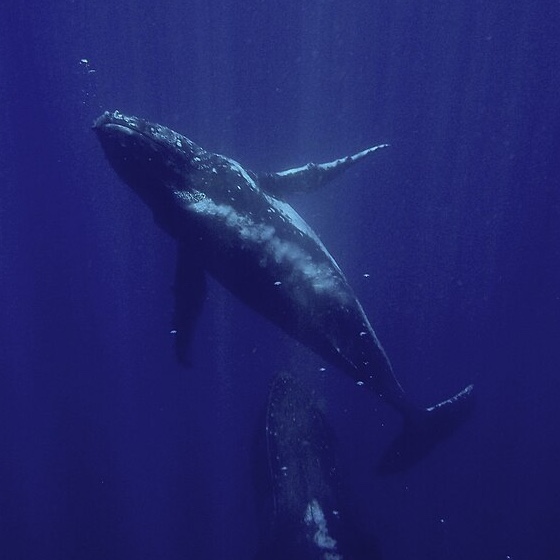
Humpback Whale
You never know – you may, with a pinch of luck, spot a Humpback Whale off The Lizard’s coastline over the autumn and winter months.Photo: Sylke Rohrlach, CC BY-SA 2.0, via Wikimedia Commons
Got any book recommendations?