
Mindblown: a blog about philosophy.
-
Birds and other animals
The Lizard is a special place for birdwatchers. There are many resident species to see – from the iconic red-legged, red-billed Chough to soaring Skylarks. The Lizard’s southerly location on […]
-
Botanical riches
The Lizard is one of the most botanically biodiverse regions in the UK. Why? Well, to a large part because The Lizard has a unique geology. Large areas comprise a […]
-
Events
-

Blackcap
We are more used to seeing Blackcaps in the summer months, but increasing numbers now overwinter in the UK. Photo: Ron Knight (via Wikimedia Commons)
-
Cookie policy
Cookies policy Privacy Statement: how we use cookies and essential cookies Cookies are very small text files that are stored on your computer when you visit websites. This website in […]
-
Search content
Use this page to search for content on the site.
-
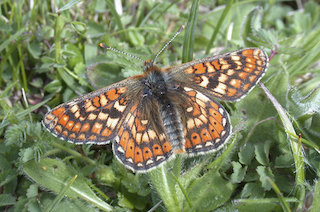
Conserving Marsh Fritillaries on The Lizard
The Lizard is home to one of the UK’s rarest butterflies: the beautiful Marsh Fritillary. Sadly, habitat destruction and agricultural intensification have, over the years, had serious consequences for the […]
-
History in the landscape
Wild it may be, but humans have played their part in creating the heathland landscapes of The Lizard. From prehistoric archaeology to the Second World War buildings of Goonhilly Downs […]
-
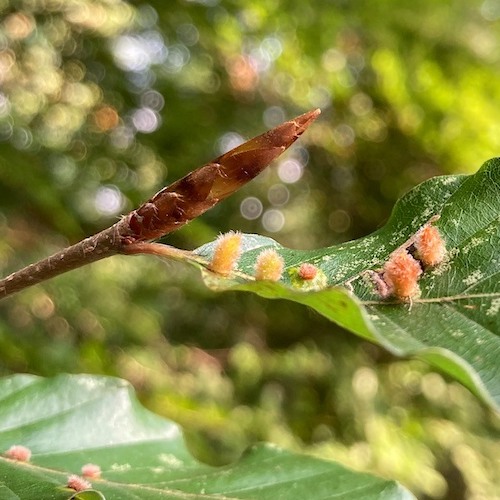
Hairy Beech Gall
Hairy Beech Galls, induced by a parasitic gall-midge, are one of the galls found on our native Beech trees. Head to our section on invertebrates to find out more. Photo: […]
-
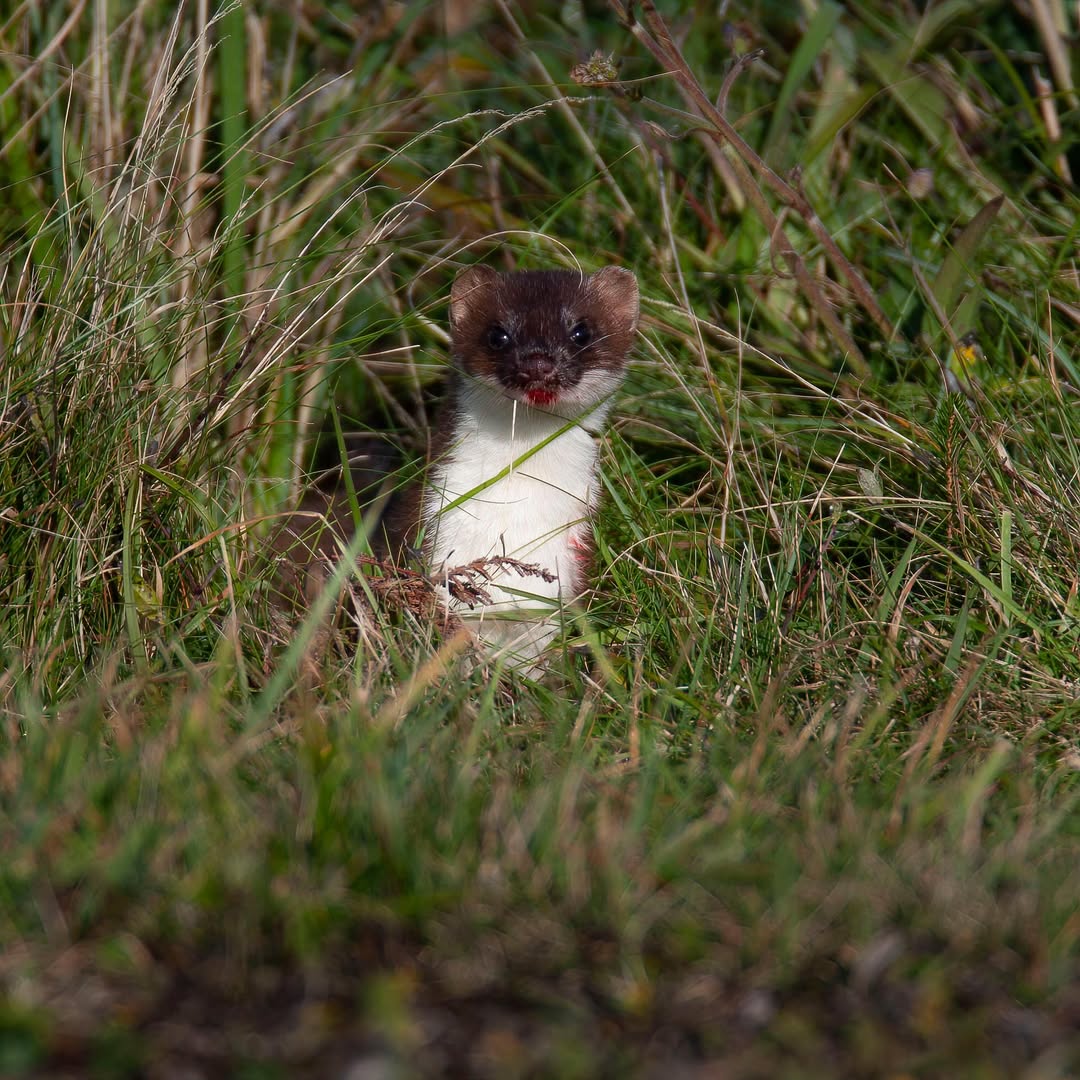
Stoat
Windmill Farm is a good place to see Stoats. Photo: Richard Birchett
-

Mistle Thrush
This Mistle Thrush found itself some tasty rowan berries near Gweek. Photo: © Richard Birchett
-
Hairy Beech Gall
In late summer into autumn, you may see small cylindrical growths on Beech leaves. These are made by the gall midge Hartigiola annulipes. Look out for them when exploring the […]
-
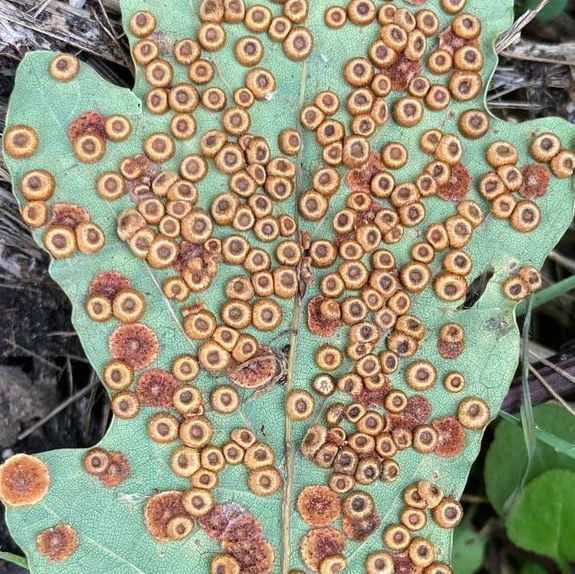
Silk Button Gall
Silk Button Galls, induced by a parasitic wasp, are one of the many kinds of galls found on our native oak trees. Head to our section on invertebrates to find […]
-
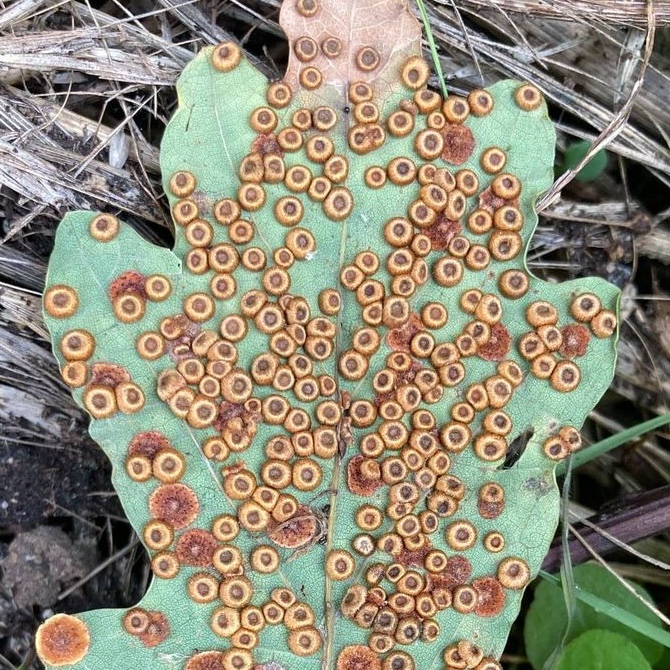
Silk Button Gall
Silk Button Galls, one of the many kinds of galls found on our native oaks, really do look as if they have been spun from silken thread. Photo: Amanda Scott
-
Wilding Guidlines
Things we can ALL do# Mow less often – allow Buttercups, Daisies, Dandelions and Clovers to flower, even if only a patch.# Avoid using pesticides and artificial fertilisers# Leave a […]
Got any book recommendations?