
Mindblown: a blog about philosophy.
-

Mistle Thrush
This Mistle Thrush found itself some tasty rowan berries near Gweek. Photo: © Richard Birchett
-
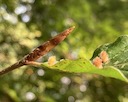
Hairy Beech Gall
In late summer into autumn, you may see small cylindrical growths on Beech leaves. These are made by the gall midge Hartigiola annulipes. Look out for them when exploring the woods of the Helford River. Photo: Amanda Scott
-
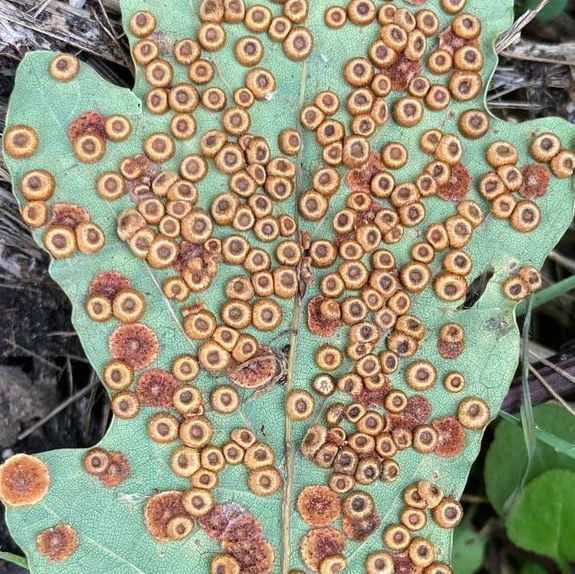
Silk Button Gall
Silk Button Galls, induced by a parasitic wasp, are one of the many kinds of galls found on our native oak trees. Head to our section on invertebrates to find out more. Photo: Amanda Scott
-
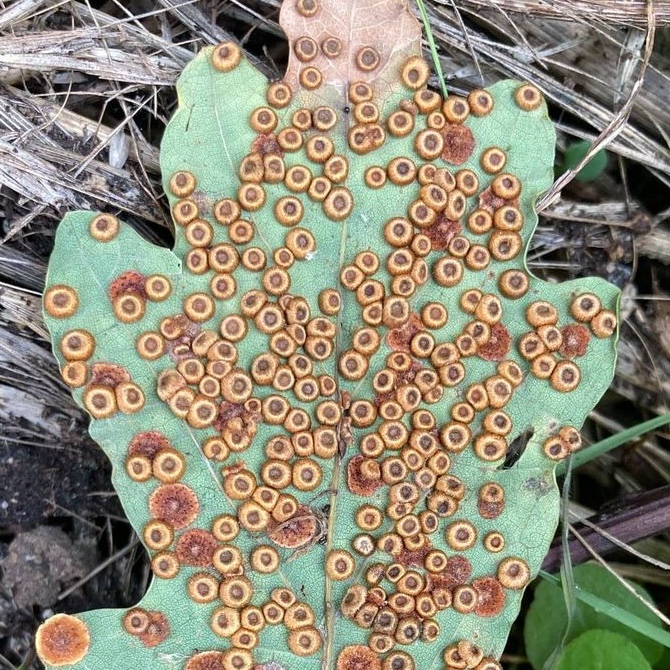
Silk Button Gall
Silk Button Galls, one of the many kinds of galls found on our native oaks, really do look as if they have been spun from silken thread. Photo: Amanda Scott
-
Wilding Guidlines
Things we can ALL do# Mow less often – allow Buttercups, Daisies, Dandelions and Clovers to flower, even if only a patch.# Avoid using pesticides and artificial fertilisers# Leave a corner/ area wild for nature – try to do nothing to it.# Build a log pile or spindly prunings pile for wildlife and bugs to…
-
Groundswell aims
1) Increasing BiodiversityThrough the joined action of the community of the people who live on The Lizard, we hope to stimulate and encourage wildlife. We will try to bring together the existing actions of farmers, The National Trust, National England, Cornwall Wildlife Trust, other organisations such as Bug’s Life, and the community of residents, to…
-

Carrion Crow
Carrion Crows can be seen throughout the year. All too often maligned in popular culture, these are amazing and intelligent birds. Photo: © Natural England/Julian Dowse
-
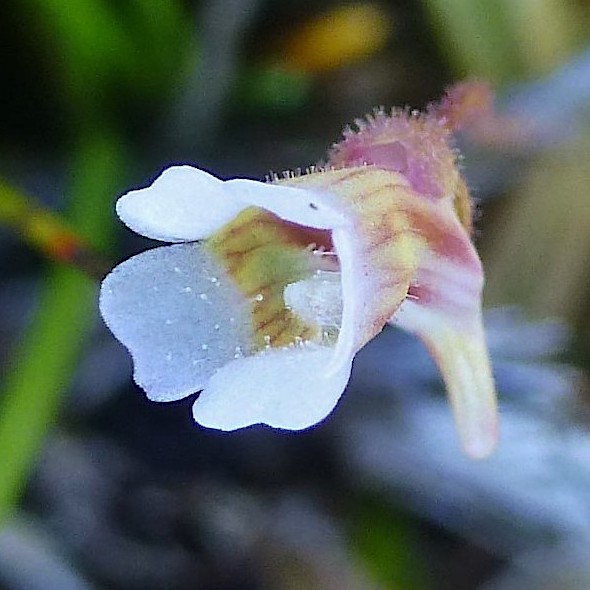
Pale Butterwort
A paler, smaller version of Common Butterwort, the Pale Butterwort is harder to find, but worth the search. Crousa Downs is a good place to look. Photo: Kate Dalziel
-

Hobby
Hobbies fly with such agility and speed, they can even snatch swallows and swifts on the wing. Photo: Lilly M, CC BY-SA 3.0, via Wikimedia Commons
-

Ring Ouzel
This member of the thrush family is easily mistaken at a distance for its cousin, the Blackbird, but a closer look gives the game away. A passage migrant across The Lizard, you may be fortunate and spot one in spring or autumn. Photo: © Natural England/Peter Roworth
-

Cinnabar
Cinnabar moths are on the wing from mid-May to early August, and their yellow and black banded caterpillars munch on Ragwort through the summer. Photo: Amanda Scott
-

Merlin
The Merlin is our smallest bird of prey, but it makes up for its size with lots of grit and steely determination. Photo: © Richard Birchett
-
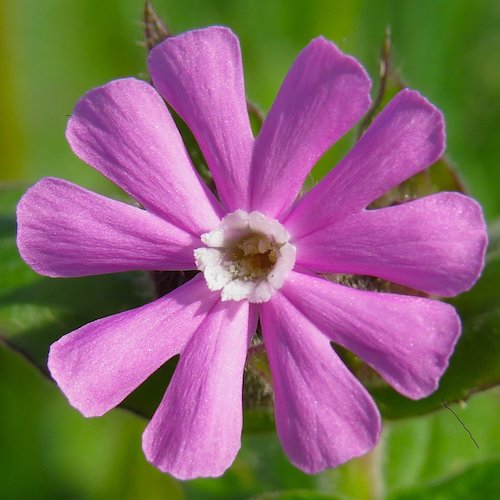
Red Campion
Red Campion is at its most vibrant from the spring into summer. Find it in woodland edges, hedgerows and roadside verges. Photo: Steve Townsend
-
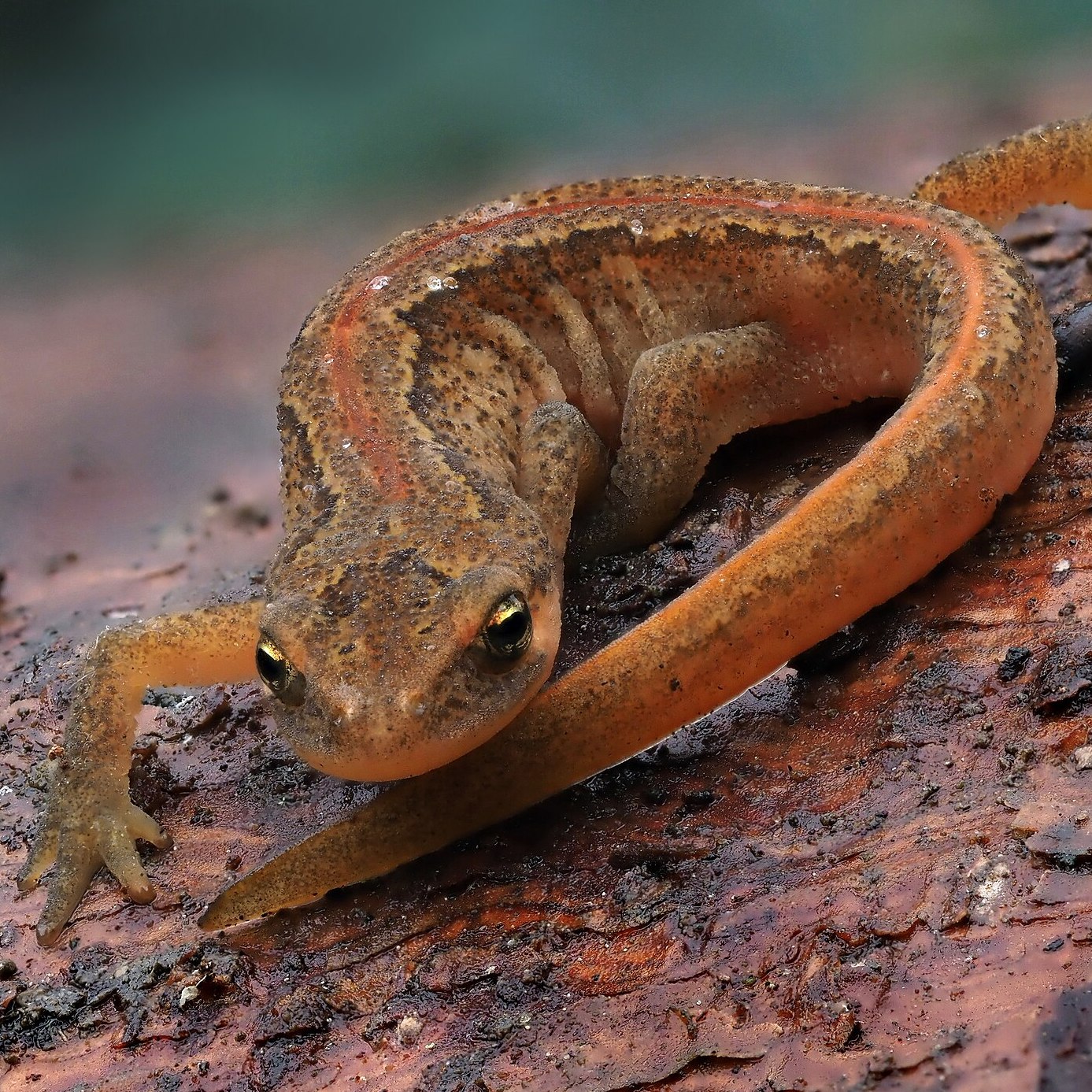
Palmate Newt
For those of you with garden ponds, keep an eye out for Palmate Newts enjoying the water in spring. Photo: Frank Vassen from Brussels, Belgium, CC BY 2.0, via Wikimedia Commons
-
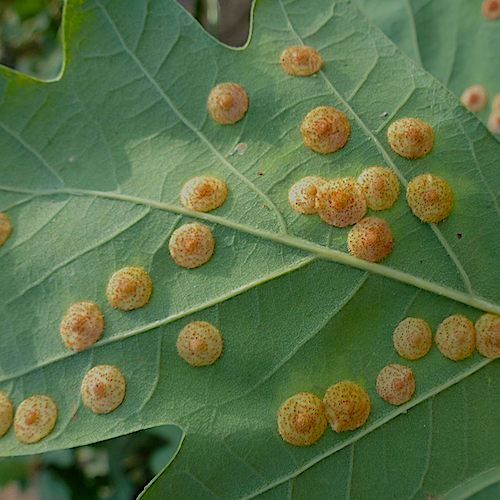
Spangle gall
Spangle Galls, created by a parasitic wasp, are one of the many kinds of galls found on oak trees. Head to our section on invertebrates to find out more. Photo: Steve Townsend
-
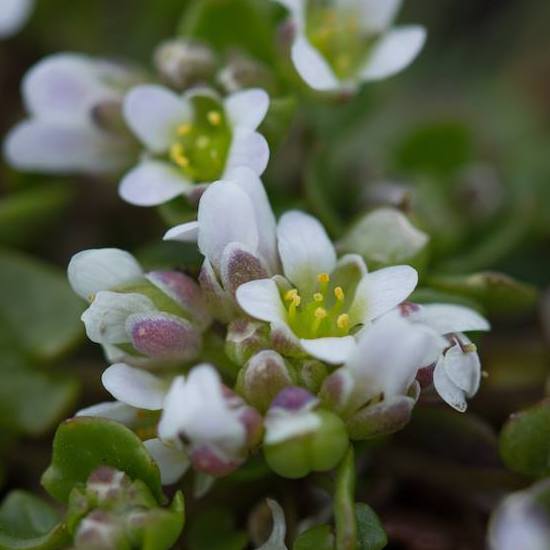
Common Scurvygrass
From May to August, Common Scurvygrass can be found along the clifftops of The Lizard. Photo: Amanda Scott
Got any book recommendations?