
Mindblown: a blog about philosophy.
-
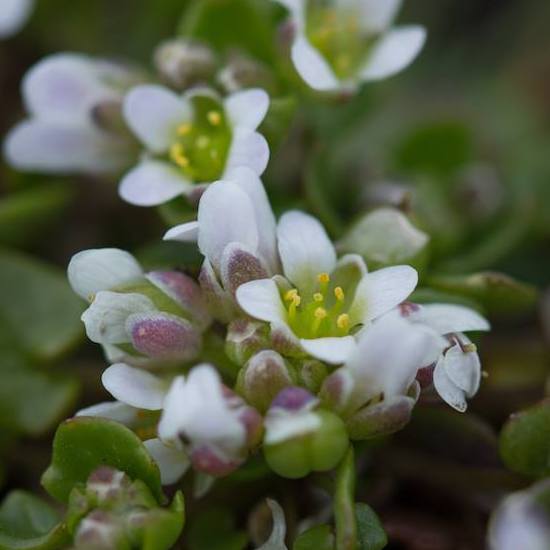
Common Scurvygrass
From May to August, Common Scurvygrass can be found along the clifftops of The Lizard. Photo: Amanda Scott
-
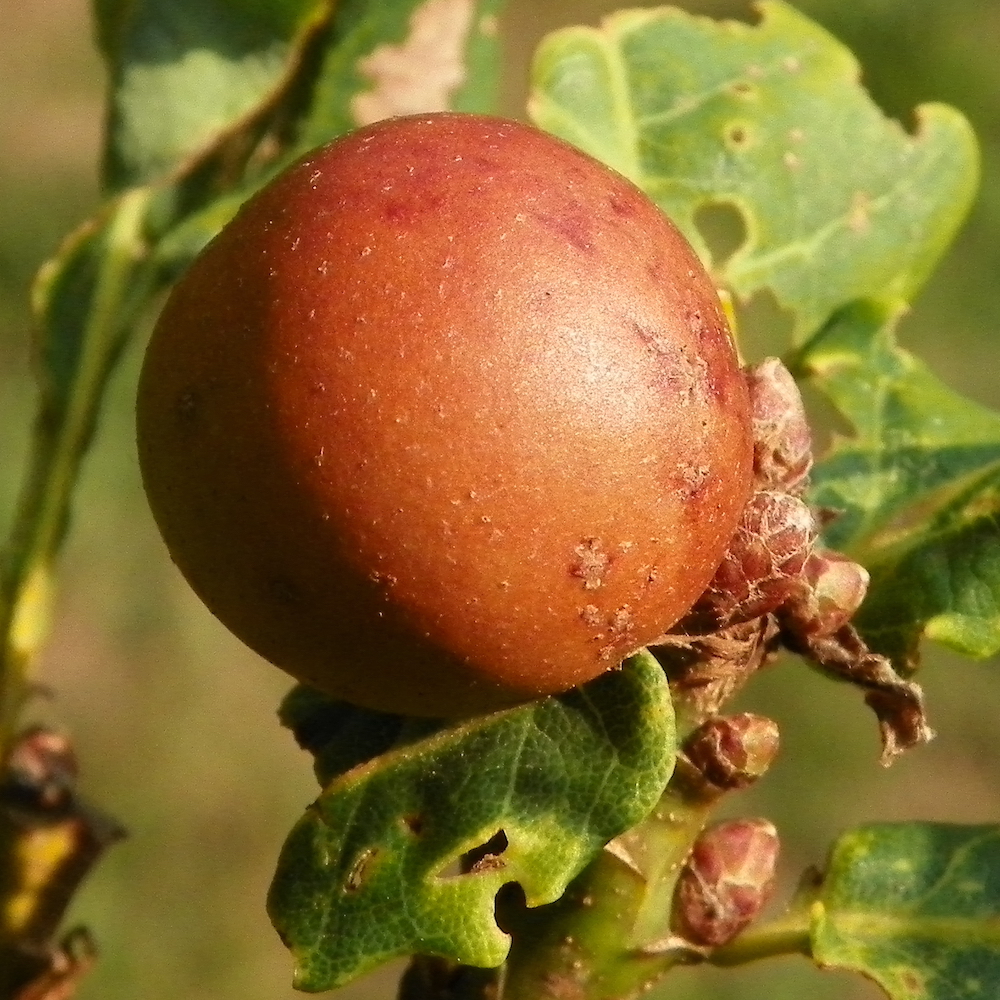
Oak Marble Gall
Oak Marble Galls, common on oak trees, are created by a parasitic gall-wasp. Head to our section on invertebrates to find out more. Photo: AnemoneProjectors, CC BY-SA 2.0, via Wikimedia Commons
-

Nuthatch
Nuthatches fiercely defend their nesting sites. A bird of broadleaf woodlands, it is also a frequent visitor to garden birdfeeders. Photo: © Richard Birchett
-
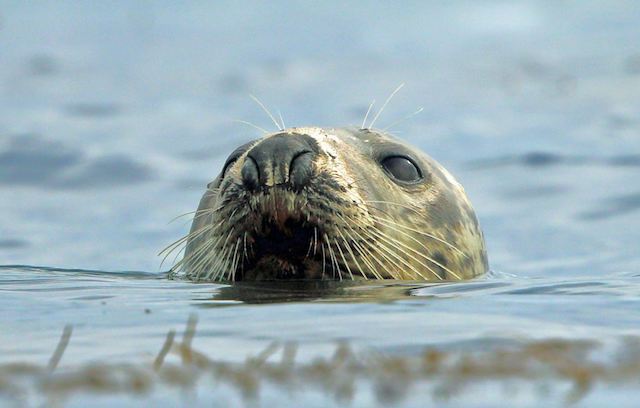
Do not disturb! Watch seals well – admire from a distance
The Lizard natural attractions are its wild coastlines and amazing marine life, including our globally rare grey seals. A glimpse of a seal makes a holiday. In Cornwall this summer, disturbance hit record levels with seals at one site being subjected to 10 stampedes caused by walkers in 70 minutes and 13 boat visits in…
-
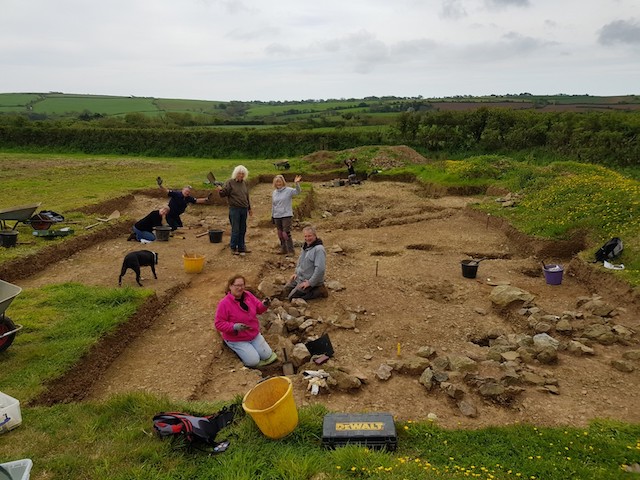
Romano-British settlement at Boden, near Manaccan
Meneage Archaeology Group – The excavation of a Romano-British settlement at Boden, near Manaccan. Following the excavation of an Iron Age fogou and Bronze Age house MAG are currently focussing their attention on two areas of apparent Romano-British date, where finds suggest activity between circa AD50 – AD200. Chronology is tentative at this stage, pending…
-
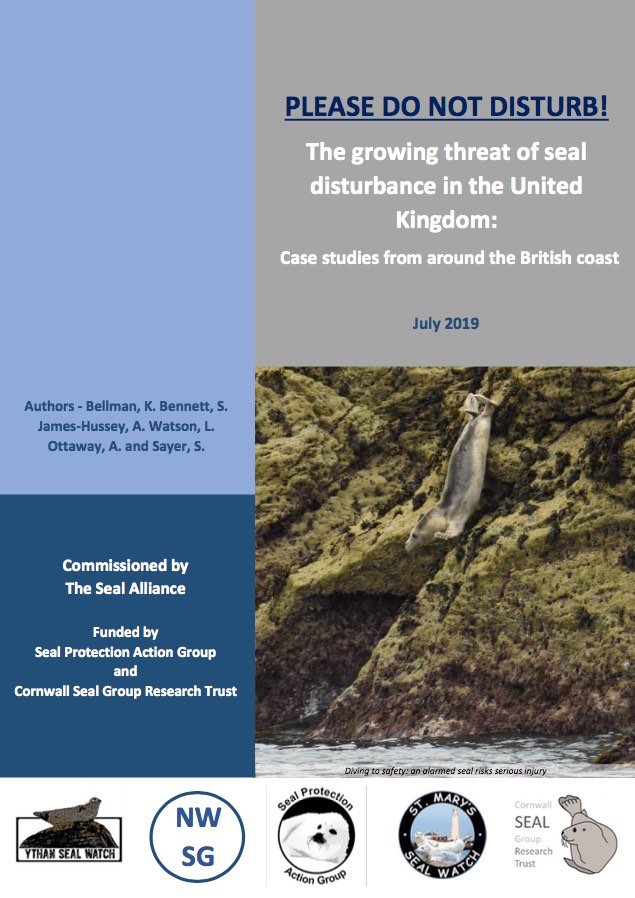
Do not disturb! The growing threat to our seals
For local residents and the many visitors to The Lizard, the chance to see our seals swimming and diving, or hauled out on the rocks is one of the many wildlife delights. Seals are however very vulnerable to disturbance – you should always give them space and observe from a distance – use binoculars if…
-
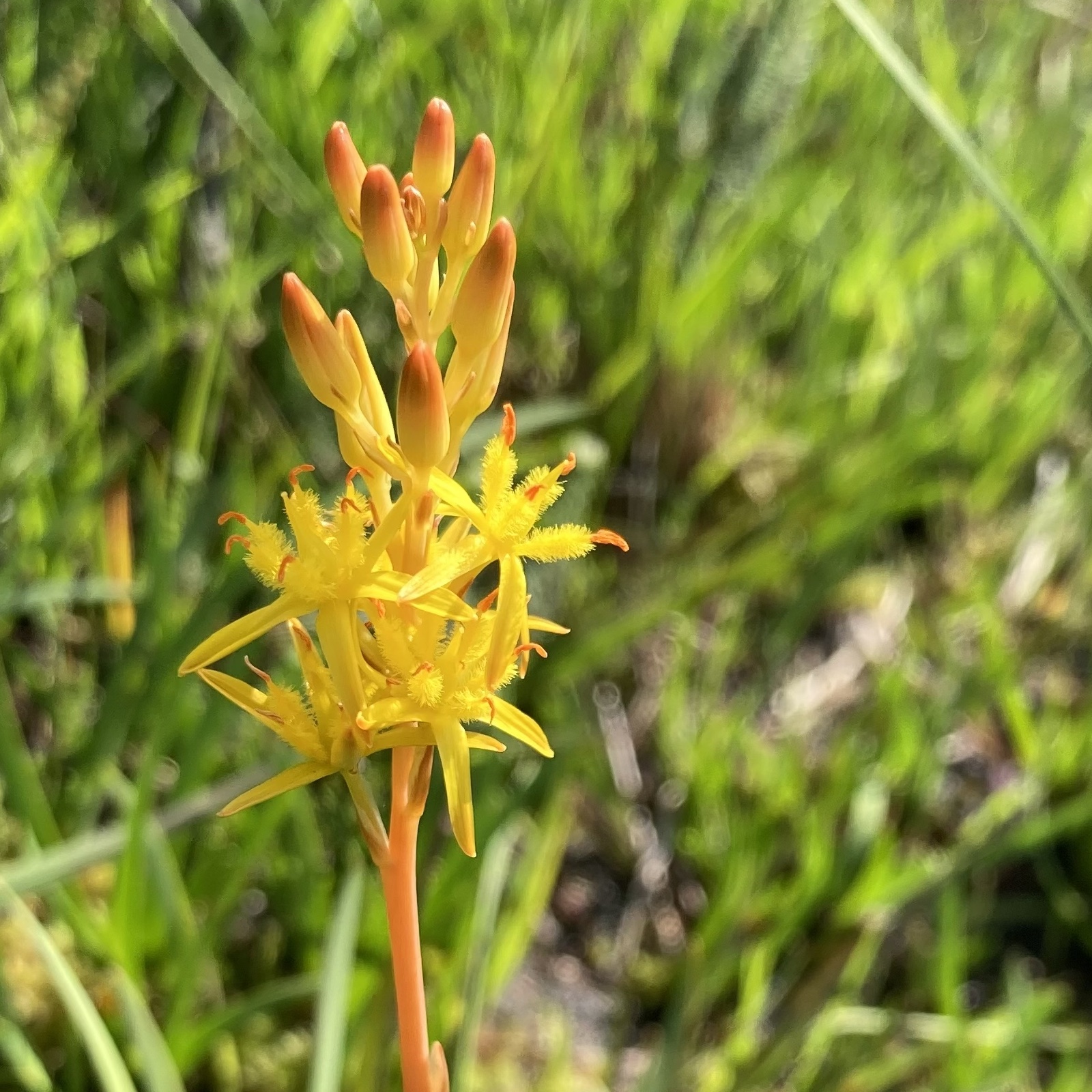
Bog Asphodel
This bright plant of boggy areas on the heathland puts on an amazing display in early summer. Photo: Amanda Scott
-
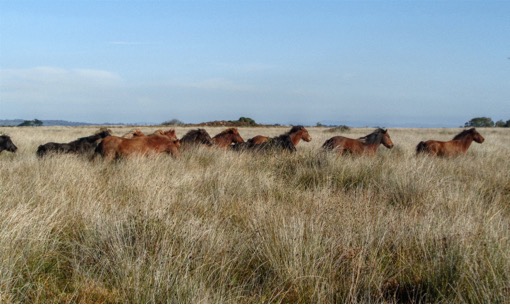
Conservation Ponies Part 2
What is it? Benefits and Breeds What is it?Managing interesting landscapes in a low intensive way to encourage the wildlife and plants that these areas support. • Conservation grazing is livestock grazing that promotes biodiversity. • Many nature reserves are now managed using grazing animals.• Due to their typically hardy and thrifty nature, our…
-
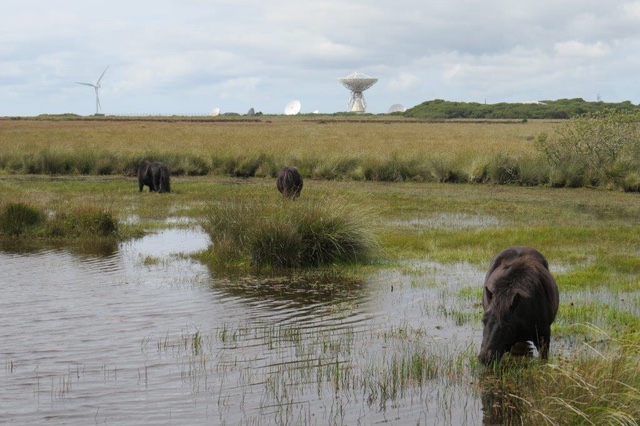
Conservation Ponies Part 1
History For many people the bleak looking downs and moors of the Lizard are iconic parts of its landscape.Due to their wild appearance it is easy to imagine the downs and moors simply as natural landscapes, but their character has in part been formed, and maintained, by thousands of years of human activity, principally through…
-
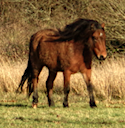
Dartmoor Pony
Dartmoor Ponies are a favourite breed for conservation grazing. You can find them on our East Cornwall National Nature Reserves. Photo: Debbie Sea-Kay
-
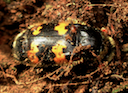
Sexton beetle
As spring arrives, we can look forward not only to budding flowers, but also to insects, like this Sexton beetle, greeting another year. Photo: Debbie Sea-Kay
-
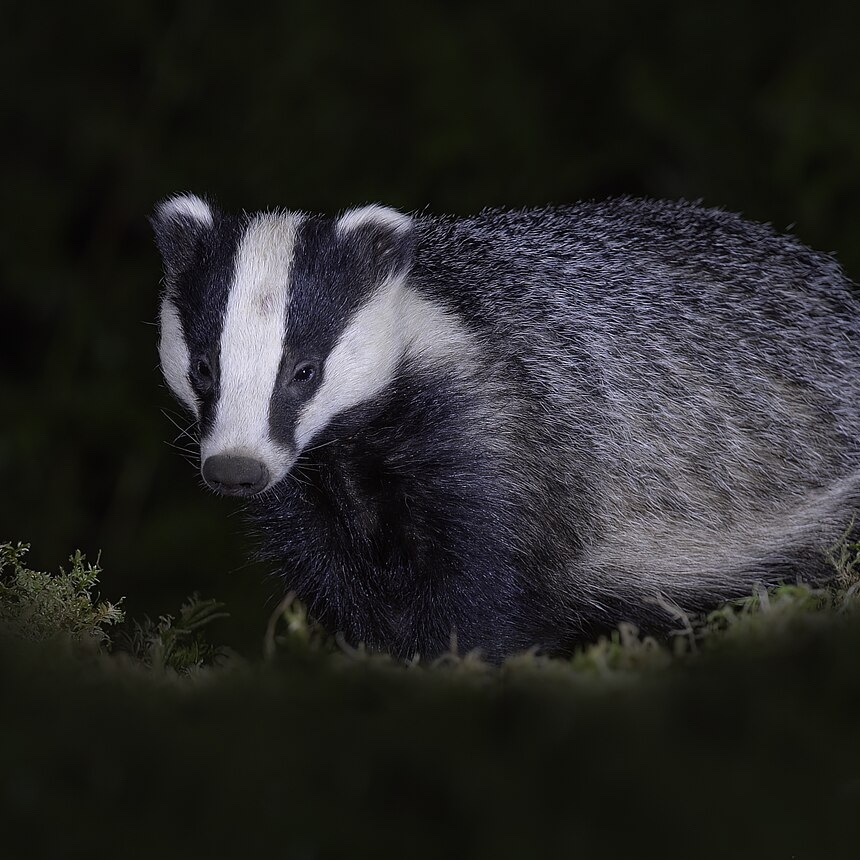
Badger
With its striking black and white striped head, the badger is one of our most instantly recognisable mammals. Photo: Caroline Legg, CC BY 2.0, via Wikimedia Commons
-

Pallas’s Warbler
This autumn and winter visitor to The Lizard was hanging out at Coverack’s sewage works in early 2019. Photo: Dougy Wright
-
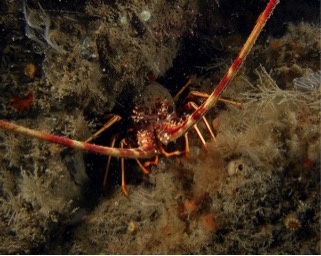
The Crawfish Comeback
Waters around the Lizard appear to be playing an important role in the recovery of an iconic crustacean from a population crash that threatened it with near-extinction in the 70’s and 80’s. Crawfish under a rock crevice. Credit: Natural England Crawfish are a warm water species that are at the northern limit of their distribution…
-
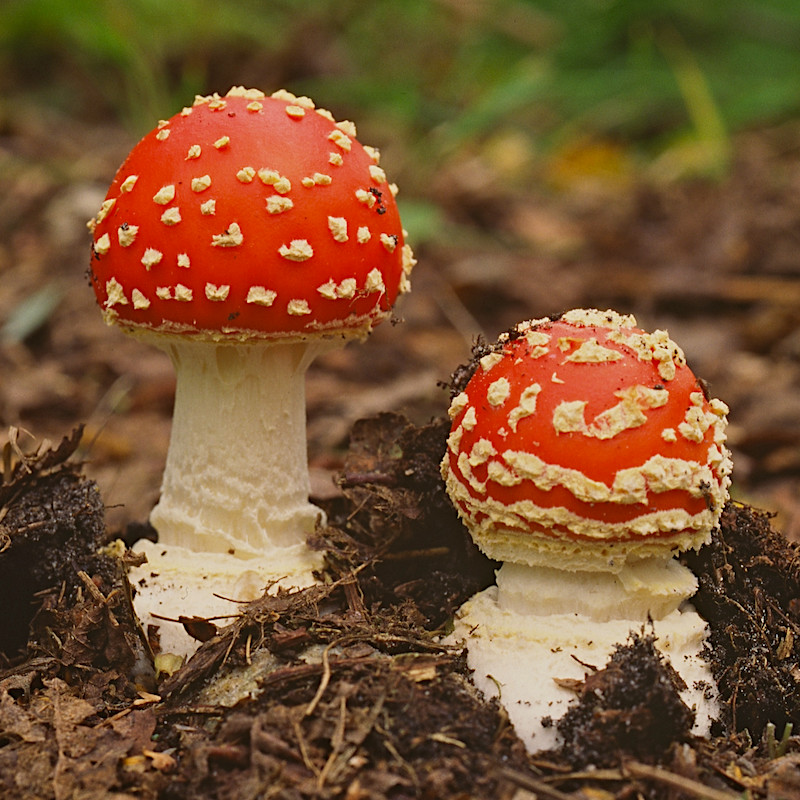
Fly Agaric
It’s the picturebook ‘pixie toadstool’ – and there’s lots of it about in the autumn. Look for it in woodland. Photo: © Natural England/Peter Wakely
-
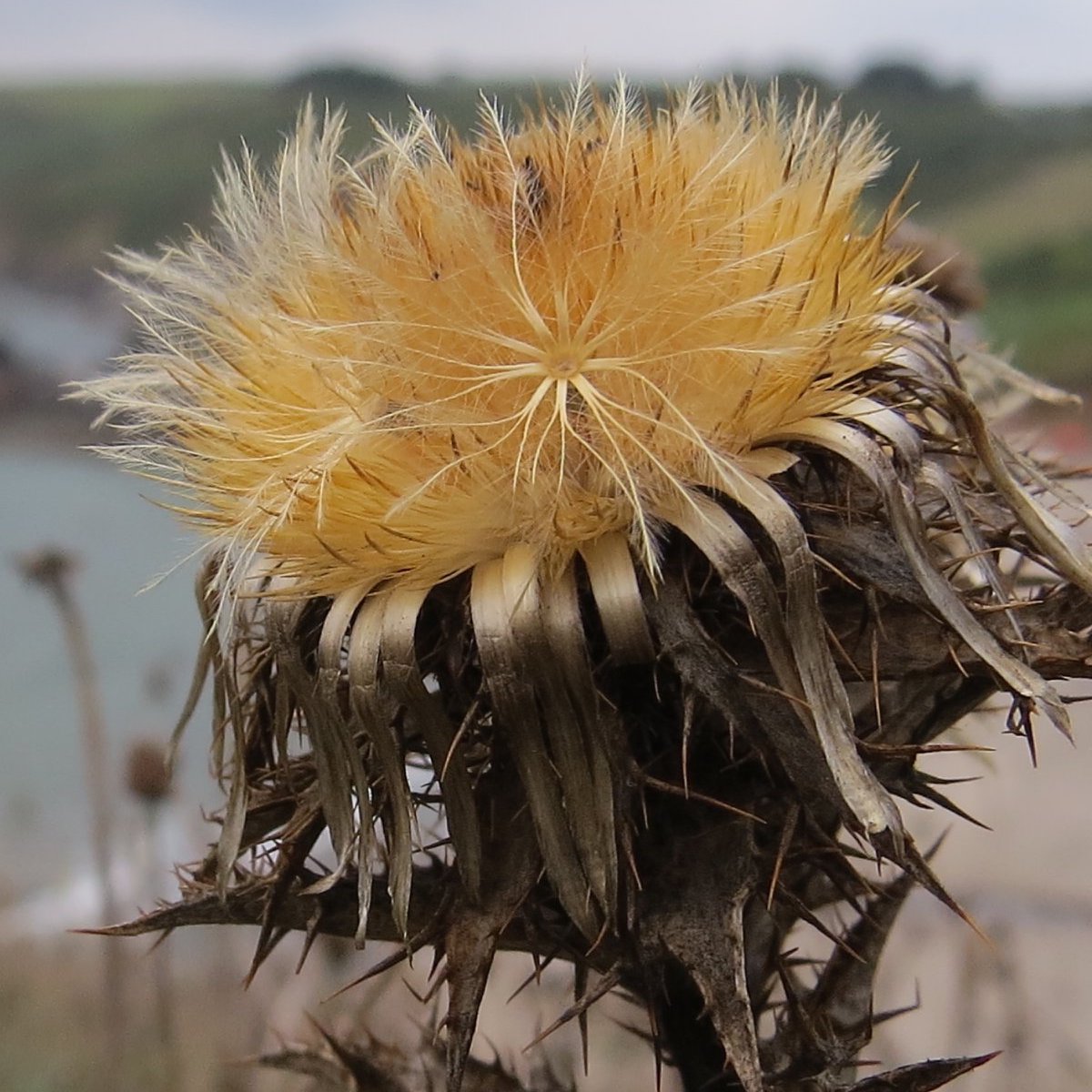
Carline Thistle
Late-flowering Carline Thistles bring a touch of gold to the early autumn landscape at Kennack Sands. The dry flowerheads persist through the winter. Photo: Steve Townsend
Got any book recommendations?