
Author: Amanda Scott
-
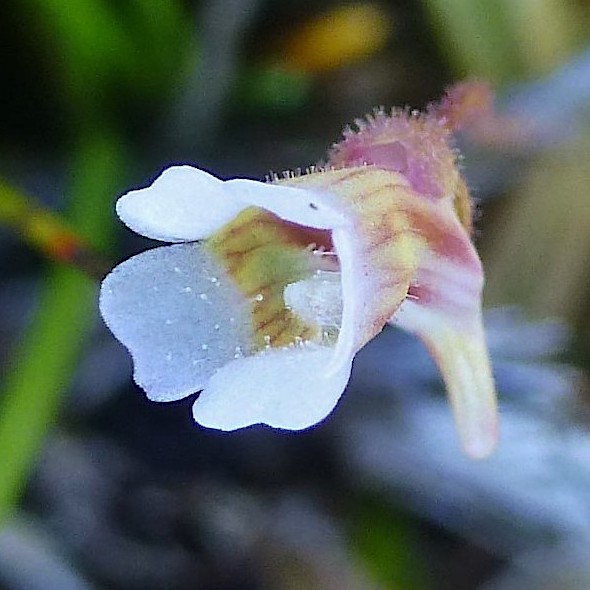
Pale Butterwort
A paler, smaller version of Common Butterwort, the Pale Butterwort is harder to find, but worth the search. Crousa Downs is a good place to look. Photo: Kate Dalziel
-

Hobby
Hobbies fly with such agility and speed, they can even snatch swallows and swifts on the wing. Photo: Lilly M, CC BY-SA 3.0, via Wikimedia Commons
-

Ring Ouzel
This member of the thrush family is easily mistaken at a distance for its cousin, the Blackbird, but a closer look gives the game away. A passage migrant across The […]
-

Merlin
The Merlin is our smallest bird of prey, but it makes up for its size with lots of grit and steely determination. Photo: © Richard Birchett
-
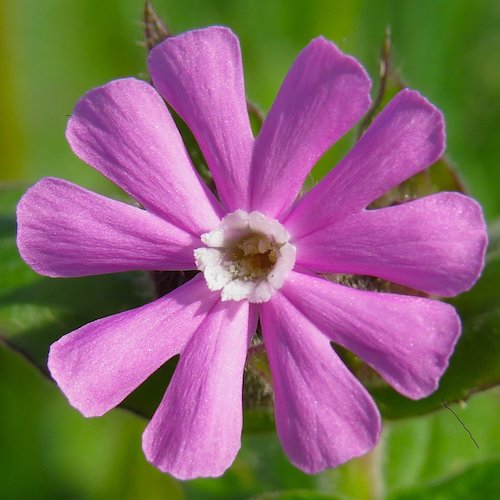
Red Campion
Red Campion is at its most vibrant from the spring into summer. Find it in woodland edges, hedgerows and roadside verges. Photo: Steve Townsend
-
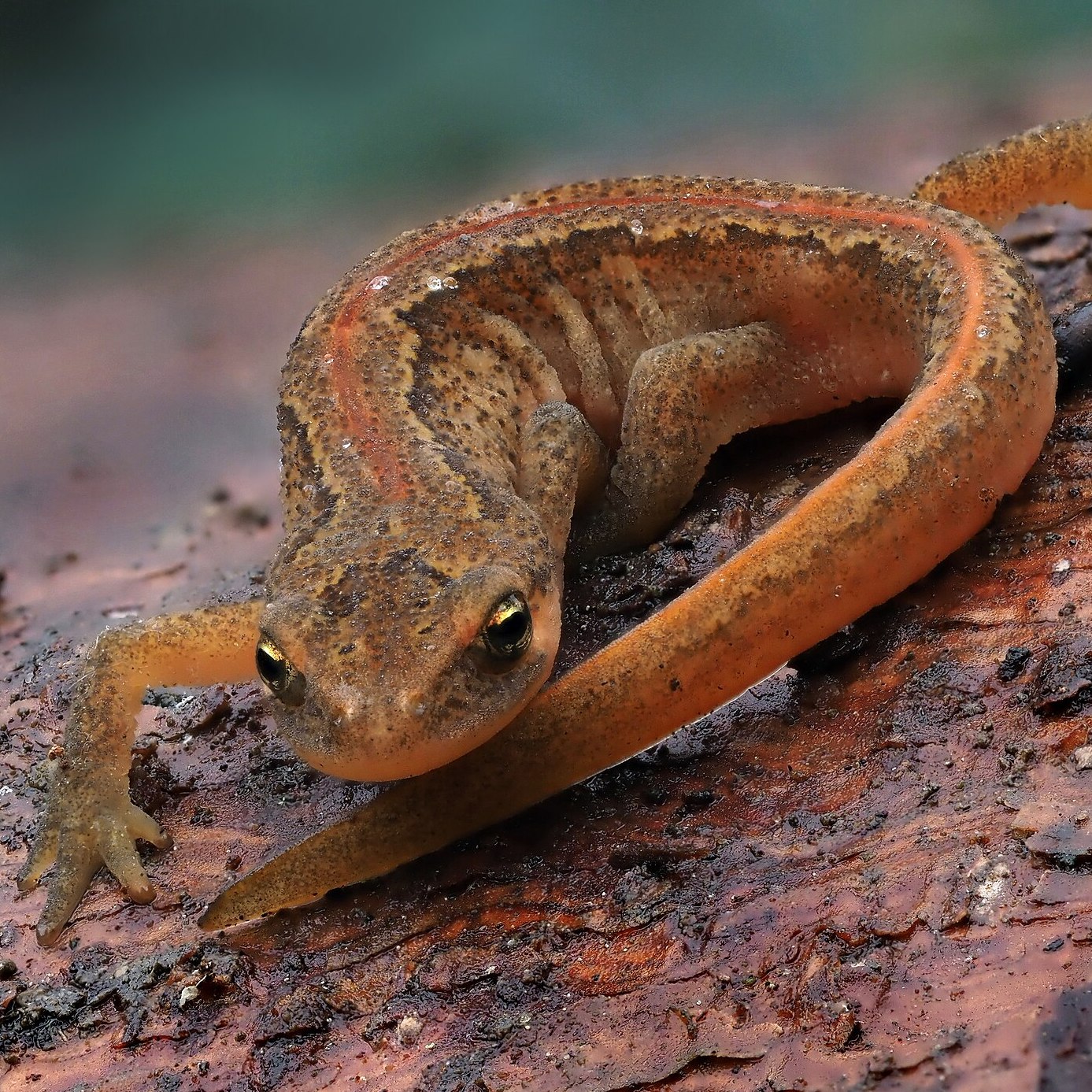
Palmate Newt
For those of you with garden ponds, keep an eye out for Palmate Newts enjoying the water in spring. Photo: Frank Vassen from Brussels, Belgium, CC BY 2.0, via Wikimedia […]
-
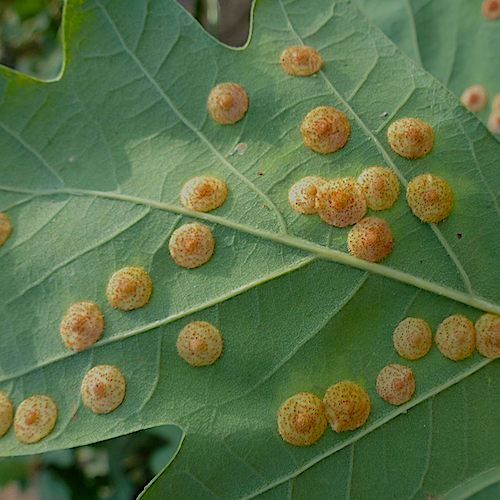
Spangle gall
Spangle Galls, created by a parasitic wasp, are one of the many kinds of galls found on oak trees. Head to our section on invertebrates to find out more. Photo: […]
-
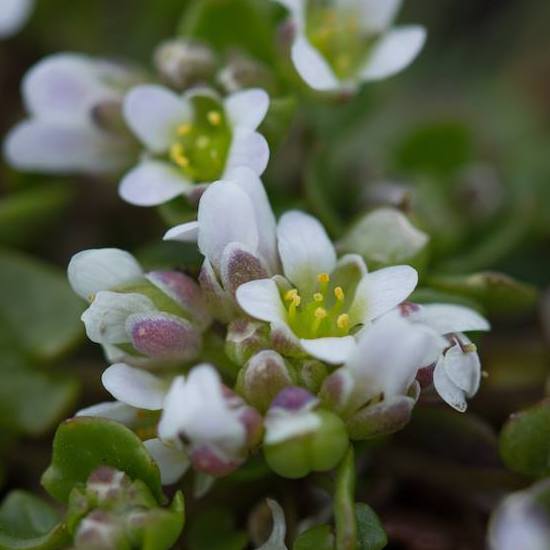
Common Scurvygrass
From May to August, Common Scurvygrass can be found along the clifftops of The Lizard. Photo: Amanda Scott
-
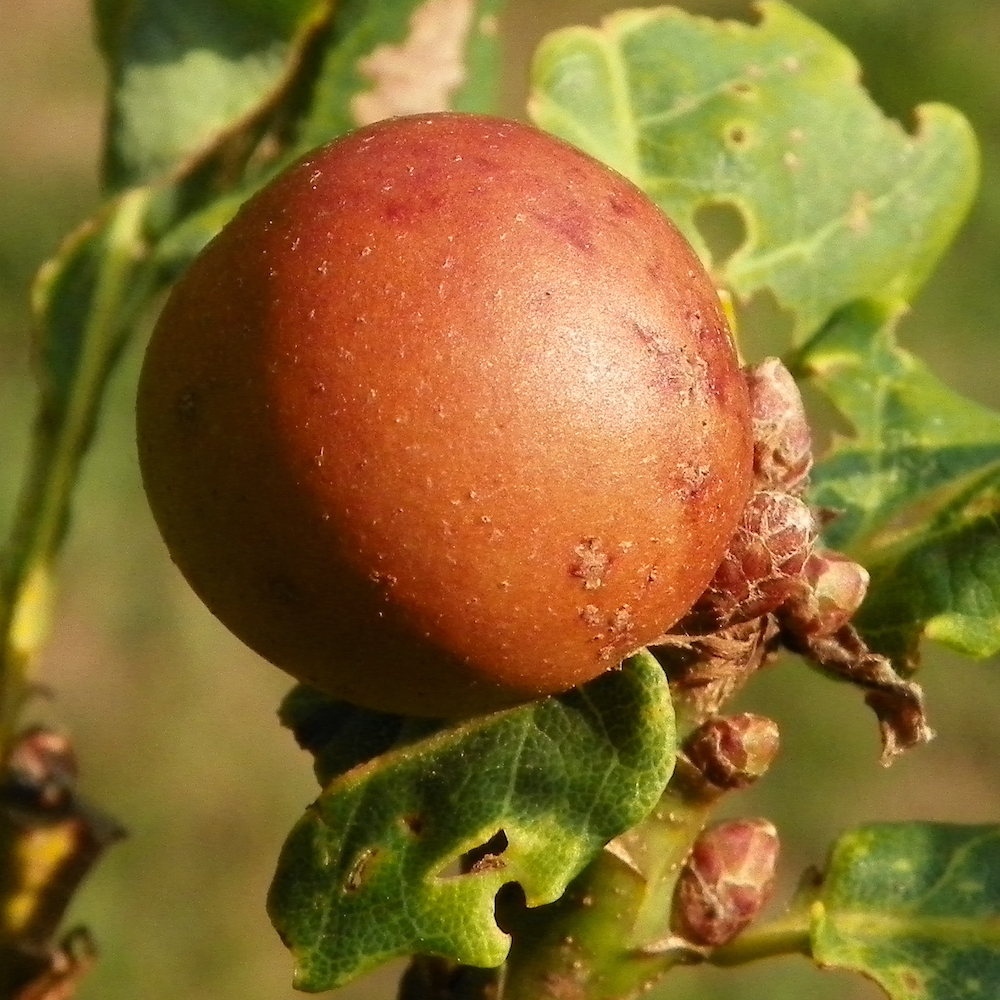
Oak Marble Gall
Oak Marble Galls, common on oak trees, are created by a parasitic gall-wasp. Head to our section on invertebrates to find out more. Photo: AnemoneProjectors, CC BY-SA 2.0, via Wikimedia […]
-

Nuthatch
Nuthatches fiercely defend their nesting sites. A bird of broadleaf woodlands, it is also a frequent visitor to garden birdfeeders. Photo: © Richard Birchett
-
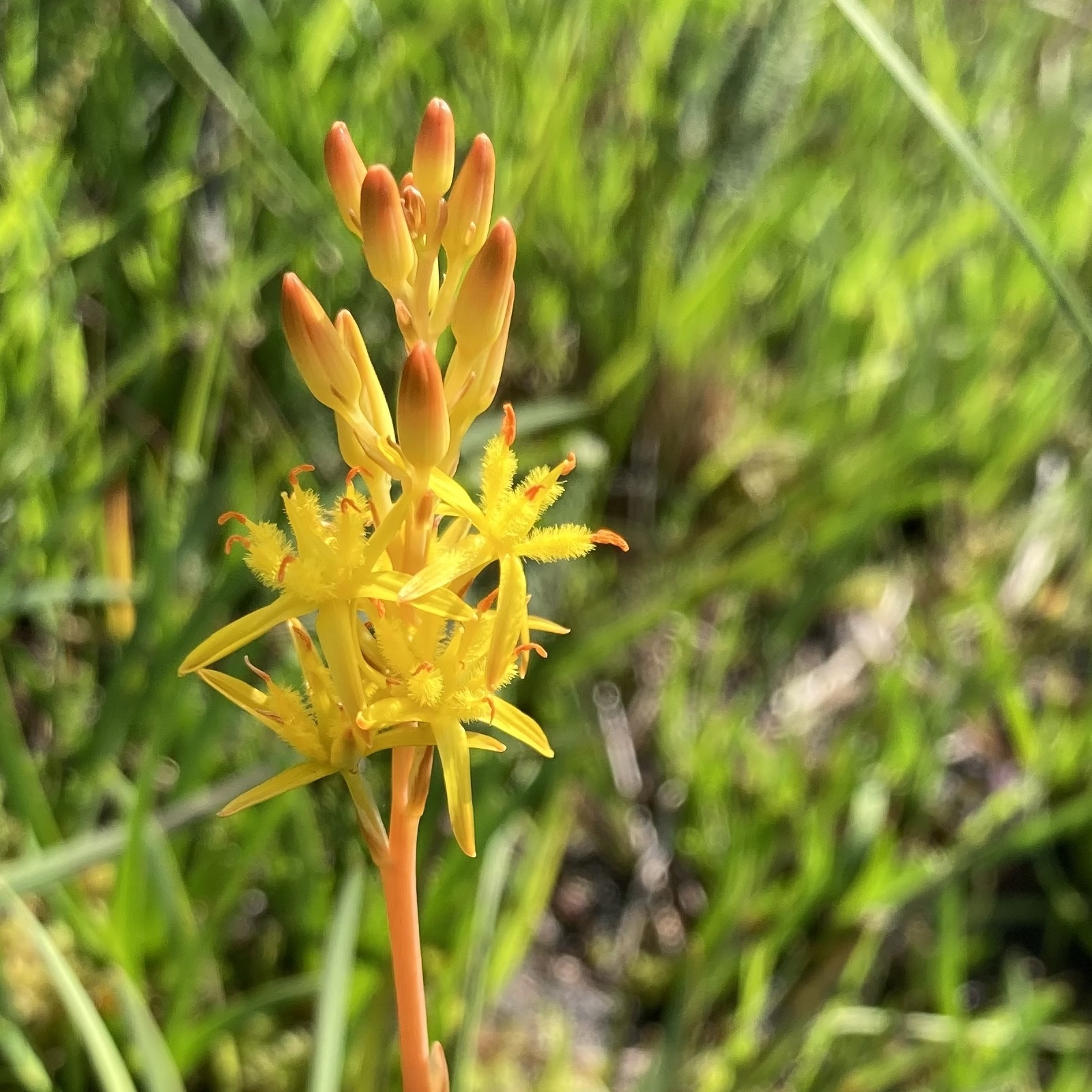
Bog Asphodel
This bright plant of boggy areas on the heathland puts on an amazing display in early summer. Photo: Amanda Scott
-
Dartmoor Pony
Dartmoor Ponies are a favourite breed for conservation grazing. You can find them on our East Cornwall National Nature Reserves. Photo: Debbie Sea-Kay
-
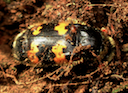
Sexton beetle
As spring arrives, we can look forward not only to budding flowers, but also to insects, like this Sexton beetle, greeting another year. Photo: Debbie Sea-Kay
-
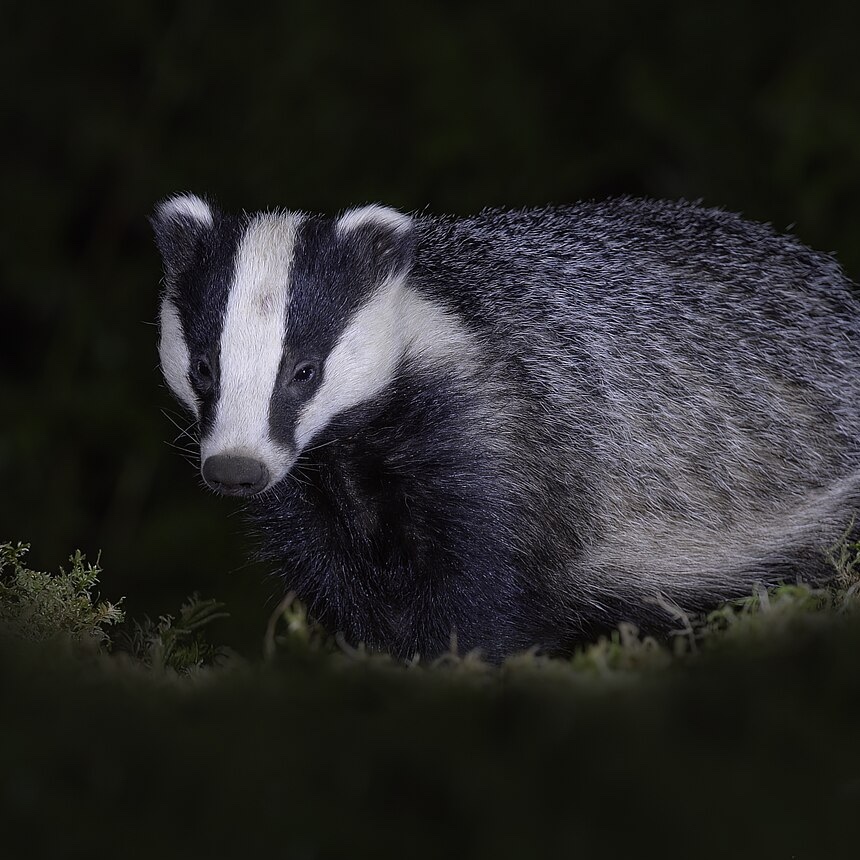
Badger
With its striking black and white striped head, the badger is one of our most instantly recognisable mammals. Photo: Caroline Legg, CC BY 2.0, via Wikimedia Commons
-

Pallas’s Warbler
This autumn and winter visitor to The Lizard was hanging out at Coverack’s sewage works in early 2019. Photo: Dougy Wright
-
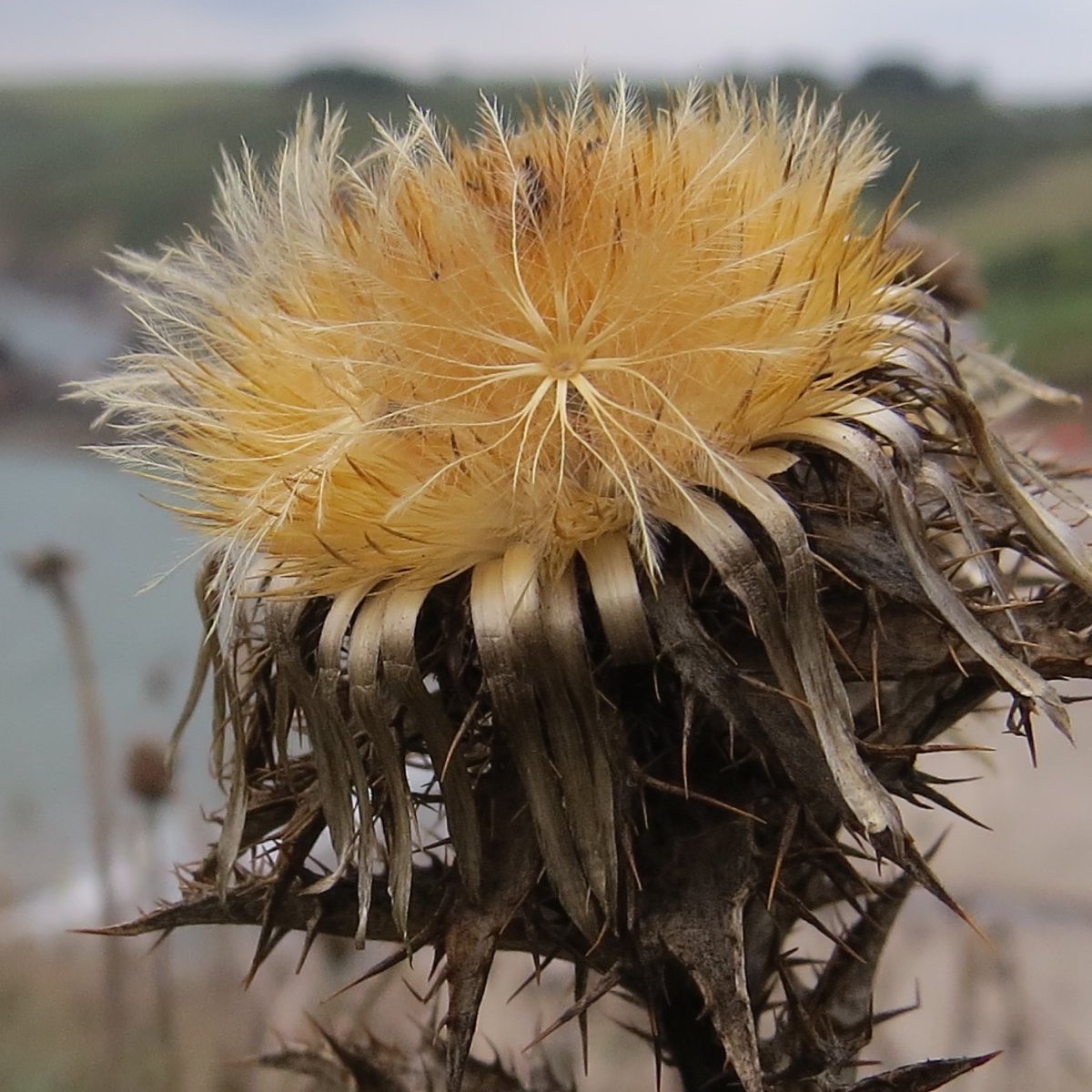
Carline Thistle
Late-flowering Carline Thistles bring a touch of gold to the early autumn landscape at Kennack Sands. The dry flowerheads persist through the winter. Photo: Steve Townsend