
Author: raysurridge
-
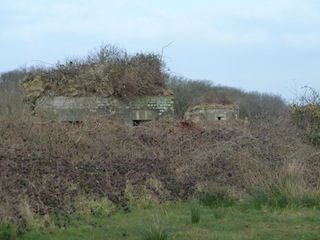
World War II discoveries at Windmill Farm
In this short article, originally published as a blog post on our website back in April 2013, Nick Marriott of the Cornwall Wildlife Trust describes the discovery of some pill boxes: archaeology from World War II. World War II discoveries at Windmill Farm Nature Reserve We knew Windmill Farm Nature Reserve had World War II…
-
Volunteering
Volunteers have always been, and will always be, important to Cornwall Wildlife Trust. Without volunteers the Trust would never have come into existence. Volunteering for the Trust is rewarding and beneficial for both you and us. Volunteers bring a wide variety of skills, expertise and experience, complemented by their enthusiasm for and commitment to wildlife.…
-
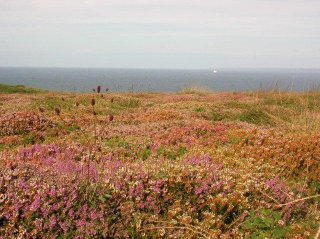
Habitats of The Lizard
This article is an extract from Classic British Wildlife Sites –The Lizard Peninsula by Andrew Byfield in British Wildlife, 3 (2), pp. 92–105 (1991). Travelling from north to south across the Peninsula one is immediately struck by the flat treeless nature of much of the landscape. The flatness is testimony to the force of wave action…
-
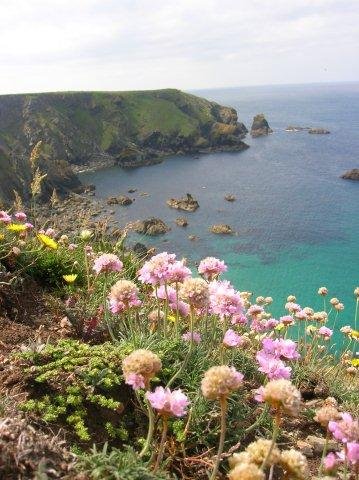
Where and When to see The Lizard Flora and Fauna
The Lizard peninsula more than warrants a visit at any time of year. March or April is the best time to see the early species such as Early Meadow Grass, Three-lobed Water
-
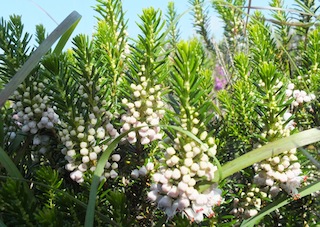
Wonderfully rich botanically
This article is an extract from Classic British Wildlife Sites –The Lizard Peninsula by Andrew Byfield in British Wildlife, 3 (2), pp. 92–105 (1991). So Why is The Lizard so wonderfully rich botanically? As long ago as 1848 the eminent botanist the Rev C A Johns commented `to the sharp eyed botanist I firmly believe that…
-
The Lizard land use
Location The most southerly point of England, The Lizard is sparsely populated, with just over 3% of the area being defined as urban: settlements are mainly being concentrated along the coastline. Almost all of the Character Area lies within the Cornwall National Landscape, 23% is defined as a Less Favoured Area, and 20% is designated…
-
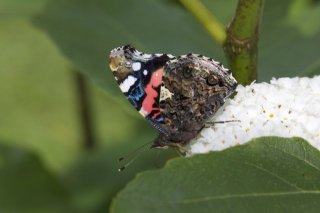
Butterflies on The Lizard
As ever with butterfly spotting the likelihood of finding a good diversity and number on the wing depends on the weather on the day, and the weather in preceeding weeks, months and years. There is plenty of protected wide open flower filled space on The Lizard, so given the right conditions numbers of some species…
-
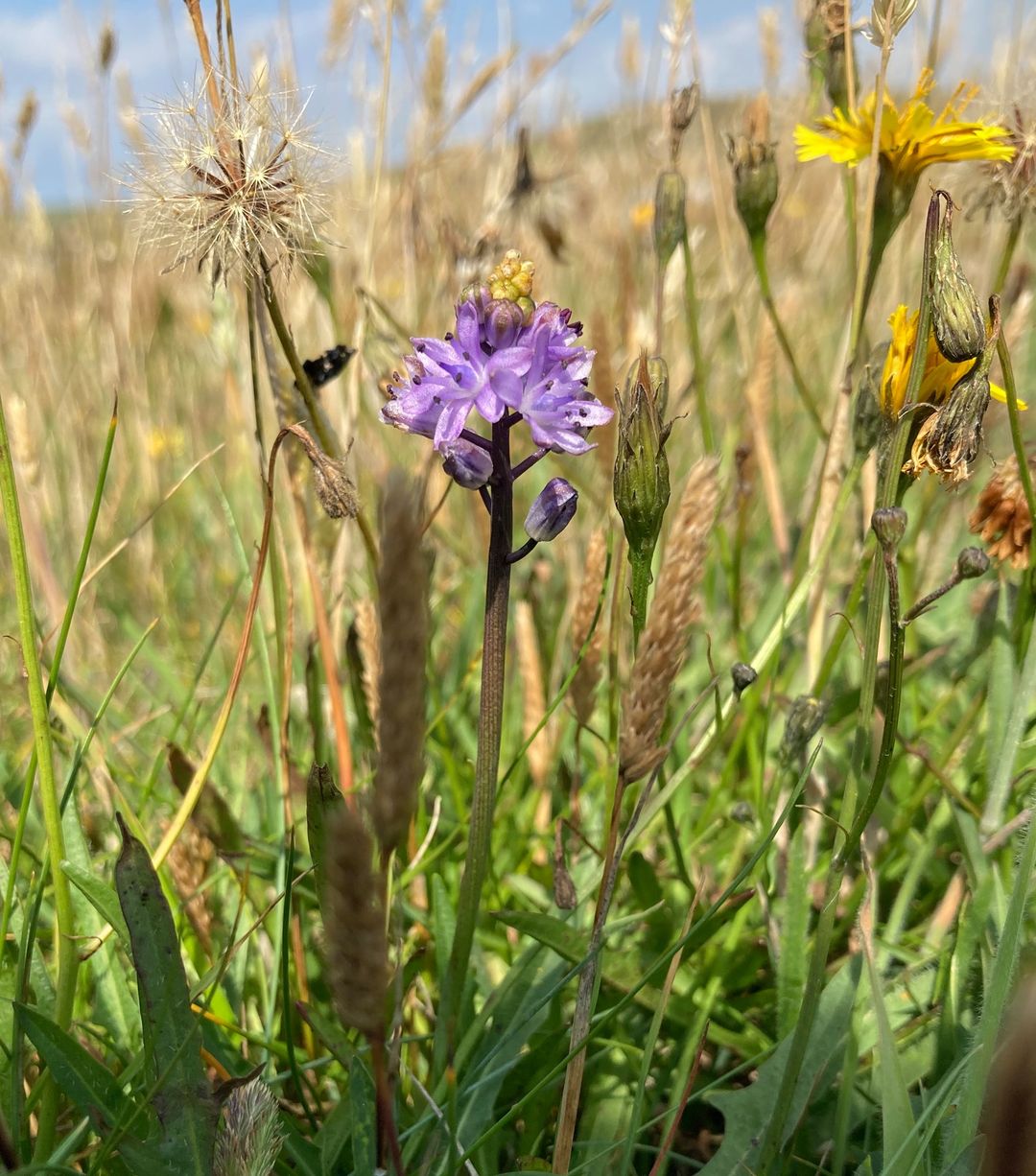
A short history of botanical discovery on The Lizard
This article is an extract from Classic British Wildlife Sites – The Lizard Peninsula by Andrew Byfield in British Wildlife, 3 (2), pp. 92–105 (1991). When the eminent Cambridge botanist, John Ray, recorded ‘Juniper or Firre-leaved heath (Erica vagans), with many flower, by the way-side going from Helston to Lizard point in Cornwall, plentifully’ [sic.] in 1667,…
-
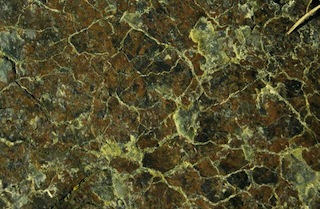
Lizard Geology
The rocks of the Lizard Peninsula form one of the most interesting suite of rocks in Britain. A Pre-Cambrian age (older than 600 million years) has been assigned to them, although their exact date is difficult to pin down. The southern half of the Peninsula comprises a complex array of metamorphic and igneous rocks including…
-
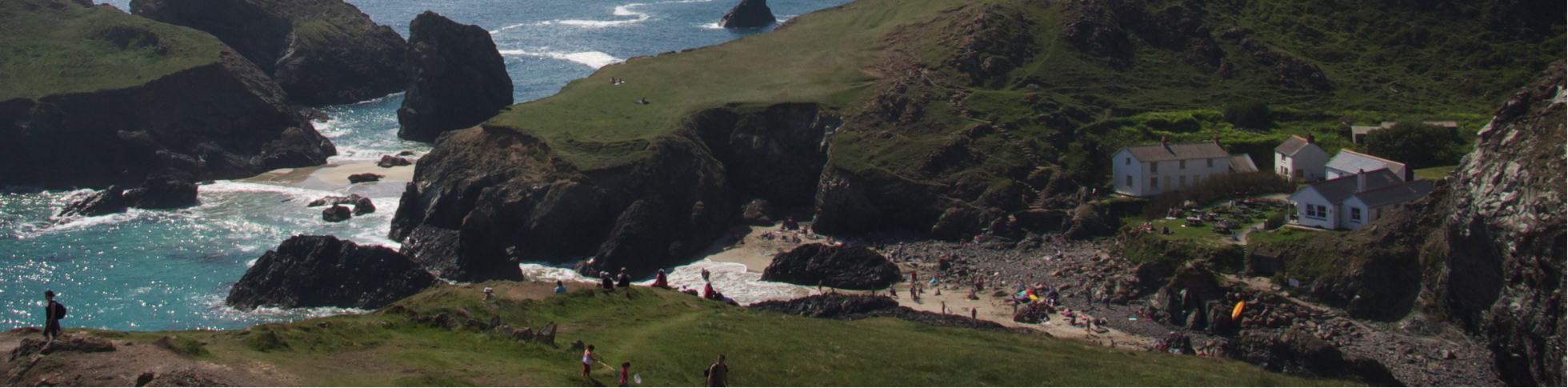
Welcome
Module 202Participating organisations (2)mod_custom The Lizard – a living landscape for people and a wonderful landscape for wildlife. Welcome to the Linking the Lizard Countryside Partnership website. This is your one-stop shop for information about the ‘outdoors’ on the Lizard. If you have come to find out what the Lizard Peninsula in Cornwall offers you…
-
Surveys
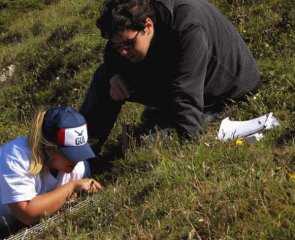
Thanks to its unique geology and climate, the Lizard Peninsula hosts some of the UK’s most important rare flower sites and botanists have flocked here for centuries to study them. It is therefore important for us to keep records of the rarities on our important sites. This is an excellent opportunity for children…
-
Working Holidays
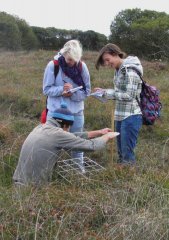
You don’t have to live locally to volunteer, both the National Trust and the RSPB offer working holidays here in the Lizard. We will put you up in local accommodation in return for a minimum of a five days work for every seven days you stay. The National Trust holidays usually have a more physical…
-
RSPB
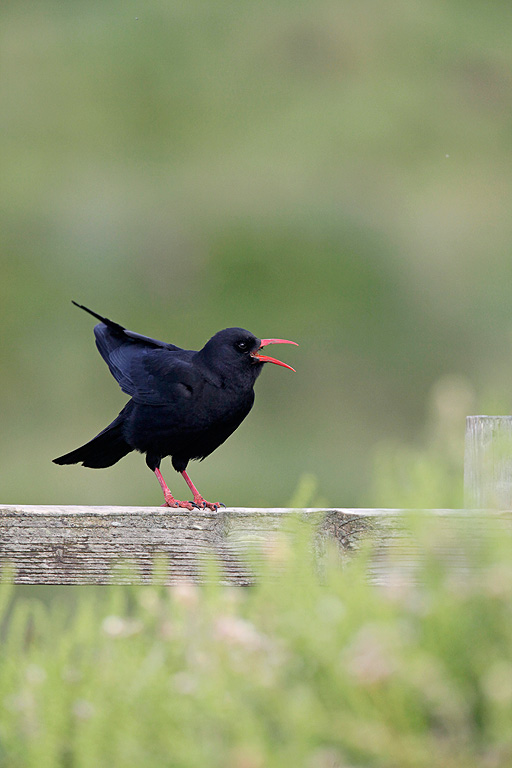
The chough, is the much loved spiritual emblem for Cornwall and Cornish people. Since their historic natural return in 2001, choughs are now part of the scenery on the Lizard and a walk along the coast is not complete without seeing and hearing them. They are still rare though with only seven pairs breeding in…
-
Natural England
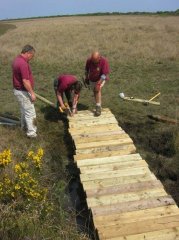
Like other National Nature Reserves (NNRs) the Lizard’s NNR is a place for people; a place to enjoy nature, to take some exercise and to escape from the pressures of modern life. Our volunteers come from many different backgrounds and are involved in a wide variety of tasks – from scientific surveying, fence building…
-
National Trust
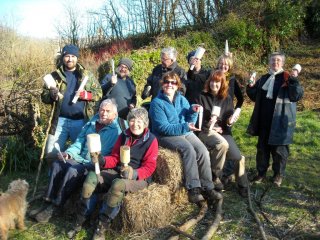
Coast and countryside volunteering with the National Trust enables you to get outdoors and play a vital role in maintaining the environment for everyone to enjoy. Our outdoor volunteers have really varied roles, all of which aim to conserve precious natural environments for people and for wildlife. You can get involved in tasks like dry stone…
-
A heathland haven
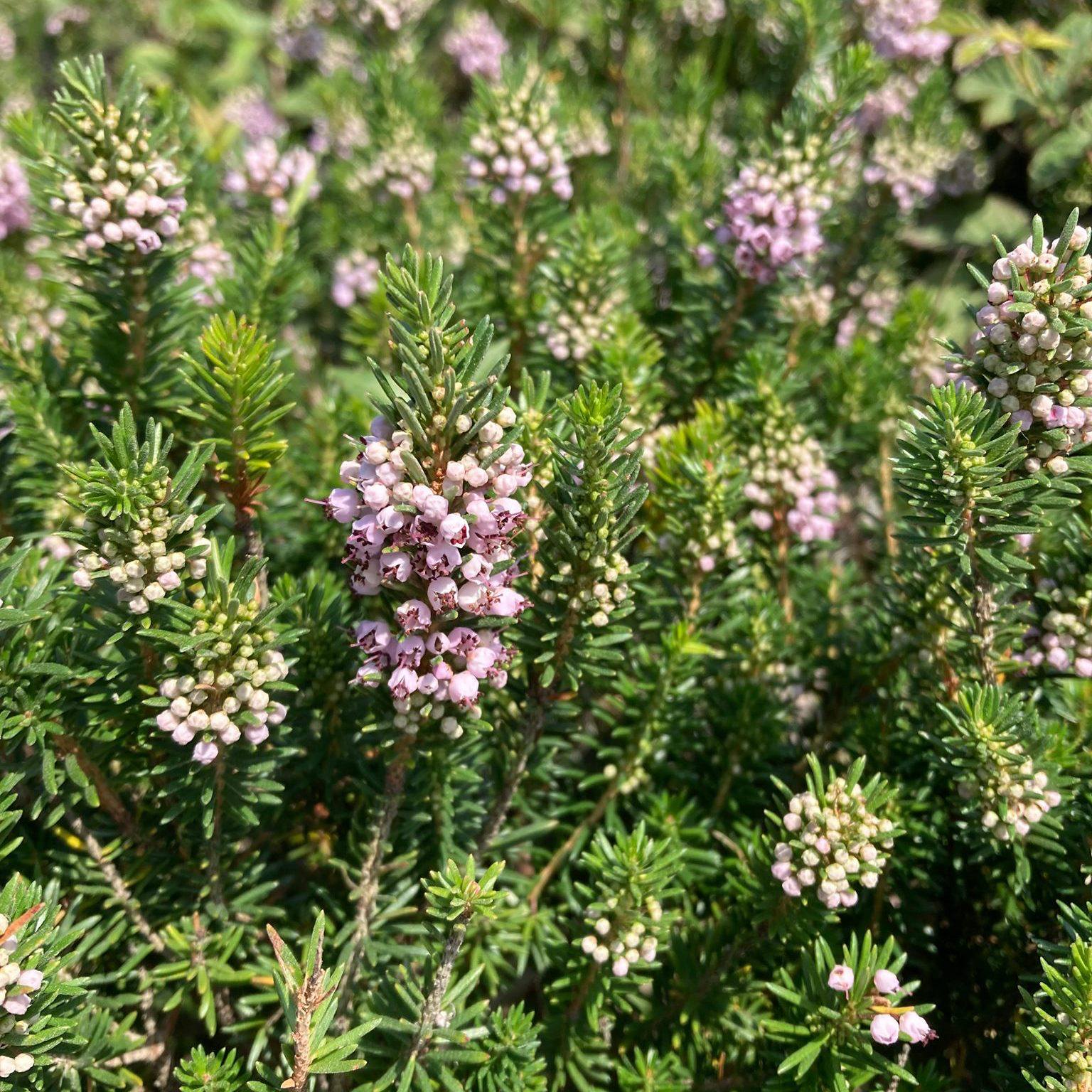
The Lizard Peninsula is remarkable for its wealth of wildlife and the quality of its landscape. It is a designated Special Area of Conservation in recognition of its outstanding international importance. The expansive heathlands are perhaps the most obvious and most significant part of the mosaic. Open heathland is actually rarer than rainforest! In the…